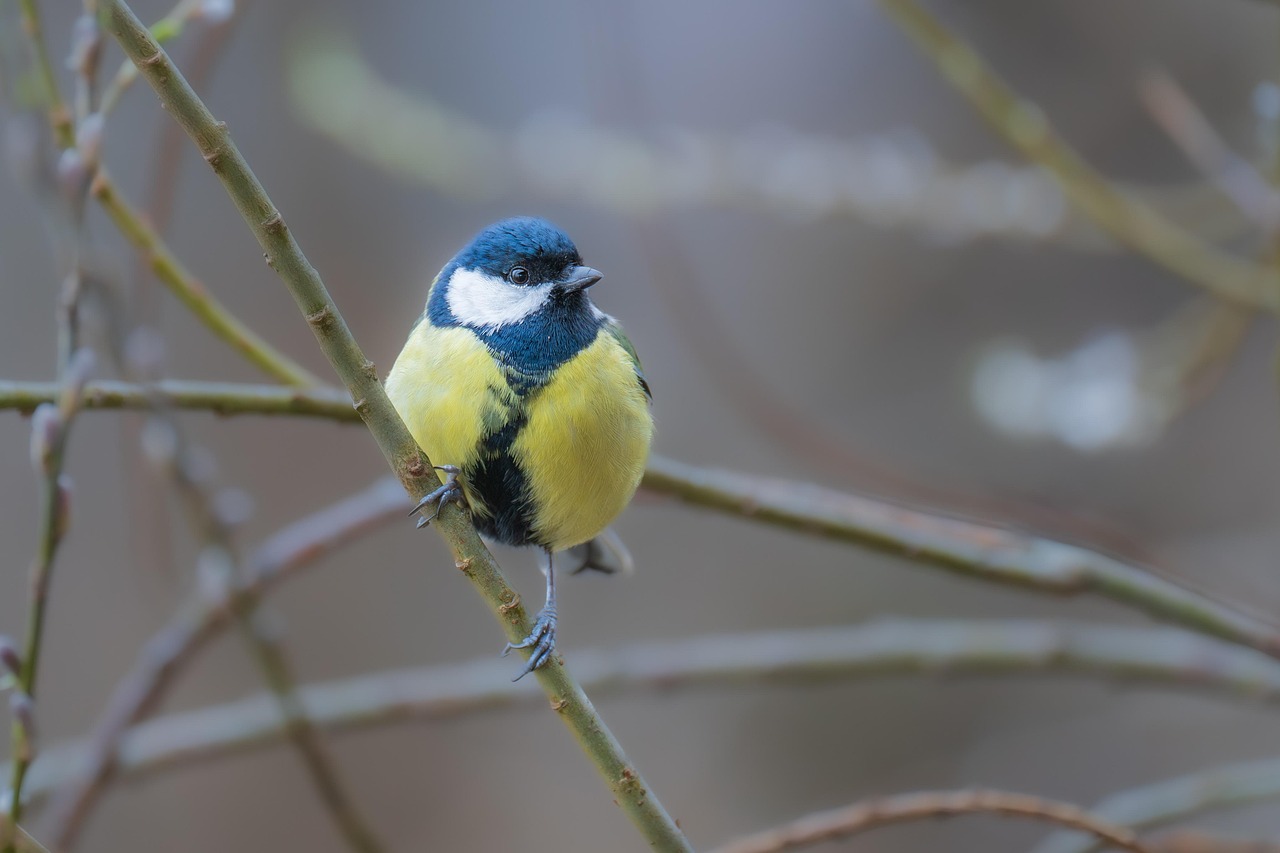

The Benefits of Bird Watching for Physical and Mental Health
Bird watching is a delightful activity that has both physical and mental health benefits. Participating in this enjoyable pastime encourages individuals to spend time outdoors, fostering a connection with nature. Engaging with the environment helps promote a sense of well-being and relaxation. Spending time outside reduces stress and anxiety levels significantly. Regularly observing birds can improve cardiovascular health by providing opportunities for physical exercise, such as walking, hiking, or trekking through varying terrains. The excitement of spotting different bird species motivates individuals to be active and more adventurous. Additionally, being amidst nature boosts vitamin D levels, which is vital for bone health. Bird watching also enhances concentration and focus as enthusiasts develop patience and observational skills. Notably, it’s a low-cost hobby; individuals only need binoculars and perhaps a field guide. This enables accessibility for all ages and economic backgrounds. Bird watching fosters community engagement, bringing people together for shared experiences and discussions. In conclusion, trying out bird watching not only enriches lives, bringing joy and fulfillment, but it also has significant health benefits worth exploring for everyone.
Bird watching promotes mental clarity and reduces stress. As participants immerse themselves in observing feathered friends, they often find a profound sense of peace. Nature has long been known to have therapeutic effects, and bird watching serves as a perfect conduit. Participants often experience a sense of awe while witnessing the beauty of birds in their natural habitats. This appreciation fosters mindfulness, helping individuals stay present. Focusing on the details of birds’ behaviors, colors, and calls redirects attention from everyday worries. Establishing a regular bird watching routine can help maintain mental focus and improve mood. Furthermore, studies indicate that being in nature lowers cortisol levels, helping to alleviate anxiety. Bird watching can stimulate creative thinking as observers seek to discover interesting patterns within bird behavior. Utilizing journals, birders can document their observations, enhancing personal reflection and growth. Keeping a bird list not only rekindles memories of past adventures but also sets future goals to aim for. This activity can be an excellent way to bond with family or friends, allowing shared experiences to create lasting memories. Overall, bird watching contributes significantly to enhancing mental health.
Physical Health Benefits of Bird Watching
Engaging in bird watching is an effective avenue to enhance one’s physical fitness. When enthusiasts venture into various environments, they engage in activities such as walking, hiking, or climbing. Spending more time in nature leads to better cardiovascular health due to increased physical activity levels. Regular movement while birding helps maintain a healthy weight, strengthens muscles, and improves overall endurance. Moreover, bird observing encourages healthy habits; for instance, walking paths, local parks, or remote woods enables individuals to bond with friends or family. Incorporating physical activity into a bird watching session naturally makes the experience more enjoyable. Furthermore, getting involved with conservation efforts while bird watching cultivates a sense of purpose, resulting in further outdoor participation. Breathing in fresh air during these outings improves respiratory health as well. The combination of sunshine, movement, and exposure to green spaces ultimately leads to happier, healthier individuals. Bird watching nurtures an active lifestyle, inspiring individuals to explore new terrains, thereby extending their limits. No special equipment is necessary, making it easy for individuals at all fitness levels to participate. Simply heading out into nature can lead to substantial physical gains.
In addition to the physical benefits gained from bird watching, this engaging hobby has numerous social advantages. Participating in organized events such as birding tours, field outings, or citizen science projects connects individuals with existing birding communities. These gatherings foster camaraderie among individuals who share a common interest in feathered creatures, cultivating friendships. Many local organizations and clubs offer opportunities to connect with other bird watchers, providing valuable resources, mentorship, and support to novices. This sense of belonging can significantly enhance an individual’s overall well-being. Establishing relationships in such communities encourages participation in group activities, leading to increased motivation for outdoor exploration. Engaging in discussions about birds can spark new interests and broaden knowledge on various species and their habitats. Furthermore, these interactions can bridge generational gaps, as bird watching is an enjoyable hobby for people of all ages. Older birders often share their wisdom, while younger viewers bring fresh perspectives and enthusiasm. Overall, the social benefits of engaging with others in a bird watching community can lead to enriching experiences, ultimately fostering a supportive environment for everyone involved.
Connecting with Nature
Bird watching deeply connects individuals with nature, encouraging appreciation for the environment. This connection often translates into an individual’s desire to protect natural landscapes and wildlife. Gaining awareness of local bird species and their habitats can inspire others to participate in conservation efforts. Many bird watchers become actively involved in projects aimed at preserving crucial ecosystems that support avian life. By attending workshops or lectures on bird conservation, individuals acquire knowledge that enhances their experience outdoors. Additionally, understanding the impact of environmental changes on birds emphasizes the importance of sustainable practices. Engaging in conversations surrounding environmental issues, such as climate change or habitat loss, empowers bird watchers to promote awareness. Through education and advocacy, birders can make a difference for not only local birds but for the entire ecosystem as well. This sense of responsibility nurtures a deeper bond with nature, resulting in a more profound appreciation for the intricate web of life. Connecting with nature through bird watching encourages a sense of stewardship that extends to future generations, ensuring that the beauty of bird life will thrive for years to come.
Nature provides various outlets for emotional well-being, and bird watching is a prime example. Observing birds in their natural habitats can evoke a sense of joy and peace, resulting in an improved emotional state. The gentle sounds and vibrant colors of various bird species can elicit happiness and tranquility. Studies have shown that spending time in nature significantly reduces feelings of depression and anxiety, promoting overall mental health. Engaging in bird watching cultivates emotional resilience, allowing individuals to cope more effectively with life’s challenges. Achieving a sense of accomplishment when spotting a unique bird species can boost self-esteem and encourage further exploration. Journaling about personal experiences or documenting sightings can provide individuals with a sense of purpose, enriching their lives. Birders often adopt a more relaxed outlook on life as they learn to embrace spontaneity while out in the field. Over time, these positive experiences contribute to a healthier mental attitude. Forming connections, sharing experiences, and creating memories through bird watching fosters a greater sense of happiness overall. By engaging in this fulfilling activity, individuals can improve their emotional well-being while enjoying nature.
Encouraging Lifelong Learning
Bird watching is an enjoyable way to promote lifelong learning through observation and exploration. This hobby encourages individuals to learn about various bird species, their behaviors, and migration patterns. As individuals interact with their surroundings, they naturally absorb knowledge about ecosystems, flora, and fauna. Training oneself to recognize diverse bird calls and songs can be a rewarding learning experience. Bird watchers often expand their vocabulary relating to bird biology, behavior, and conservation, fostering a sense of curiosity. Many enthusiasts become proficient in identifying numerous species, which helps develop critical-thinking skills. Engaging with others in the bird watching community also opens doors to learning opportunities through shared stories and experiences. Reading books, articles, and blogs focused on bird watching can further enhance knowledge in various aspects of the subject. Attending workshops or educational events allows enthusiasts to connect with experts in the field, gaining insights and techniques to deepen their understanding. As bird watchers continually develop their skills and knowledge, they cultivate a sense of achievement and fulfillment throughout their journey.
In conclusion, bird watching offers a plethora of physical and mental health benefits, making it an exceptional outdoor activity. This engaging hobby encourages individuals to spend more time in nature, fostering an appreciation for wildlife and their habitats. The various physical benefits associated with bird watching contribute to a more active lifestyle, enabling larger communities to promote healthy practices. Additionally, the mental health benefits associated with spending time in nature, such as enhanced mood and lowered stress levels, are significant. Forming connections within the bird watching community fosters a sense of belonging and enhances emotional well-being. The continuous learning opportunities inherent in bird watching instill a sense of lifelong curiosity and encourage individuals to seek knowledge about the natural world. Establishing awareness about the importance of conservation drives responsible stewardship among bird watchers. Bringing friends and family into the activity allows individuals to create lasting memories and strengthen relationships. In summary, bird watching is more than just an enjoyable pastime; it is an opportunity for personal growth, connection, and improved health for people of all ages, fostering a love for nature that spans generations.