
Sleep Tracking Apps to Boost Endurance and Recovery
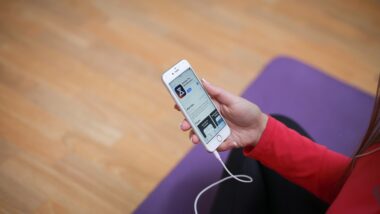
Sleep tracking apps are becoming more essential in the fitness world, assisting athletes to monitor their sleep patterns to enhance performance and recovery. By logging sleep data, individuals can gain insights into how rest impacts their endurance and overall health. These apps utilize various features, including sleep stages, duration, and quality metrics. Many tools also provide personalized suggestions based on the tracked data, which optimizes sleep for recovery. Popular apps like Sleep Cycle and Calm offer insights into user habits that could vastly improve sleep health and fitness levels. Additionally, these applications often integrate with wearable tech for real-time data, streamlining fitness regimes. Such data enables athletes to make informed decisions about training intensity following sleep quality. Those who leverage sleep tracking apps can expect to see progress in their endurance and overall recovery time. In summary, tracking sleep is vital for athletes looking for that extra edge in their performance. Users must find the right app that suits their specific sleep needs, ensuring a fulfilled training regimen. These innovative tools enhance users’ ability to achieve their fitness goals effectively.
With the advent of technology, sleep tracking apps have evolved significantly over the years. Originally limited in functionality, many now incorporate advanced algorithms that analyze sleep patterns with machine learning. This technology gives users detailed insights into their sleep cycles, allowing users to make informed lifestyle changes. Most apps offer sleep score assessments to provide feedback and highlight areas for improvement. By comparing the app’s feedback with fitness performance, users can identify correlations between sleep and workout results. Various factors affect sleep quality, including diet, stress levels, and hydration. Sleep tracking apps often suggest lifestyle adjustments to mitigate these factors and enhance overall wellness. Many groundbreaking features, such as Smart alarm and soothing sounds for better sleep initiation, improve user experience considerably. Through Smart alarm, apps help users wake at the optimal sleep cycle phase. This ensures users feel refreshed each morning. Data shared within these platforms contributes to a comprehensive view of each user’s sleep landscape. Longitudinal data tracking across weeks or months allows for observable trends and patterns, empowering users to achieve better recovery and endurance more effectively.
Top Sleep Tracking Apps to Consider
Considering the multitude of sleep tracking apps available, several popular options excel in offering unique features to users. Sleep Cycle employs advanced algorithms to track movement during the night, providing insights into sleep quality through a user-friendly interface. This app analyzes sleep phases, enhancing the ability to wake up feeling rejuvenated. Similarly, Pillow is a sleep app that provides detailed sleep analysis, along with audio recordings of nighttime disturbances. By understanding the disturbances, users can adjust habits to optimize their sleep environment. Another favorite, SleepScore, monitors sleep using sonar technology, delivering substantial insights through a personalized dashboard. Additionally, it includes tips for sleep optimization based on users’ habits. For those seeking meditation practices, Calm offers a unique blend of sleep tracking and guided sleep meditations to improve rest. Lastly, Noisli mixes soundscapes designed to create the perfect ambiance for sleep. Selecting the right app requires assessing personal goals and preferences. Taking time to explore these features can lead to significantly improved sleep, bolstering endurance during training sessions and quicker recovery periods after sporting events.
Many users of sleep tracking apps report significant improvements when utilizing these tools. Their ability to capture intricate details about sleep varies, but trends often illustrate clear benefits. As users engage with the app over time, they develop better sleep hygiene, naturally improving sleep quality. This, in turn, enhances recovery times and boosts endurance levels during activities. Oftentimes, athletes find that they can push their boundaries further once they attain consistent, quality sleep. Additionally, the educational resources many apps provide empower users to understand sleep science better. This knowledge fosters a growing awareness of the importance of prioritizing sleep in conjunction with physical training. By focusing on rest, athletes reclaim energy and focus that directly influences their performance and overall life quality. Furthermore, tracking sleep correlates positively with mental well-being, contributing to a holistic approach to fitness. Integrating sleep tracking into fitness regimens not only enhances endurance but also aids recovery processes. Fitness enthusiasts must share their progress with their trainers and friends, further promoting accountability while enhancing their performance initiatives.
The Science Behind Sleep and Athletic Performance
Understanding the science surrounding sleep conveys its vital role in athletic performance. Sleep directly affects physiological processes, impacting recovery, muscle repair, and hormonal balance. Studies show that during deep sleep stages, the body releases growth hormones crucial for muscle development and recovery. Additionally, adequate sleep enhances cognitive functions, improving reaction times and decision-making abilities. Athletes often experience pros and cons revolving around their sleep–when deprived of it, muscle strength, cardiovascular function, and reaction time all diminish. Sleep tracking apps help identify patterns that indicate when an athlete gets sufficient restorative sleep. Regular insights assist in managing training schedules effectively, leading to improved endurance during peak performance times. Sleep disruption also affects mood, which indirectly impacts resilience and motivation to train. By utilizing data from tracking apps, athletes gain valuable insights to adapt their strategies and optimize race preparations. Prioritizing sleep can thus lead to substantial differences in their athletic journey. With improved endurance from effective recovery, performance can peak at essential moments. Hence, the scientific relationship between sleep and performance is pivotal and should be a focal point for all athletes planning their careers.
While sleep tracking apps are invaluable, they can pose some challenges. Users often find themselves overwhelmed by the quantity of data presented. This can cause stress if individuals become overly fixated on perfect sleep patterns. Rather than motivating users, they might discourage those struggling with insomnia or irregular sleep schedules. It’s crucial to remember that improving sleep is a journey, not a destination. Regularly using these apps is only one component of a broader strategy involving lifestyle, nutrition, and relaxation. Utilizing features like personalized recommendations, users can adopt strategies that resonate most with their individual needs. In the case of persistent sleep disruptions, collaborating with healthcare professionals can yield better results. Moreover, the majority of popular apps allow users to customize their sleep goals, emphasizing personal progress instead of comparing oneself to ideals. Maintaining realistic expectations eases the stress of targeting ideal sleep patterns. Many athletes and fitness enthusiasts can benefit significantly from tracking while balancing the necessity for sleep with daily activities. Collecting data should serve to enhance awareness, not induce anxiety surrounding rest. Ultimately, the approach towards improving sleep should be nurturing and supportive.
Maximizing the Benefits of Sleep Tracking Apps
To maximize the advantages of sleep tracking apps, consistent usage and data engagement are essential. Regularly reviewing sleep data helps users understand their quality of rest and identify disruptive patterns easily. Users can benefit from integrating these insights with daily fitness routines, adjusting plans based on reported sleep scores. Establishing sleep hygiene practices like maintaining a consistent sleep schedule, creating tranquil environments, and minimizing screen time can complement the benefits obtained from tracking. Additionally, incorporating exercise earlier in the day promotes better sleep patterns while safeguarding against insomnia. Utilizing relaxation techniques pre-bed, such as deep breathing or gentle yoga, further supports improved sleep quality. Sleep tracking apps can also offer tailored alarms that wake users at ideal sleep phases—this enhances waking experiences, leading to a refreshed start to the day. Experimenting with new sleep techniques suggested within these apps can expose individuals to strategies they might not have tried otherwise. As users engage with their sleep patterns, they foster a growing sense of empowerment regarding their sleep habits. Consequently, by maximizing these tools wisely, sleep becomes a powerful ally in achieving better endurance and recovery results.
In conclusion, sleep tracking apps serve as essential tools for enhancing athletic performance. Their ability to provide in-depth insights into sleep patterns empowers every athlete on their journey. By utilizing these applications, users gain a clearer understanding of how vital sleep is concerning endurance and recovery. Consistency plays a pivotal role in achieving optimal results; thus, regular engagement with the data is critical. Beyond tracking, incorporating good sleep habits enrich dreams and restore essential energy levels for training. Users should focus on maintaining realistic expectations while developing their personal ideal sleep patterns. Additionally, by understanding their needs, athletes can select the right apps tailored to benefit their fitness ambitions. This approach encourages ongoing progress while promoting accountability. Ultimately, the integration of sleep tracking apps represents a shift towards a holistic view of fitness, concentrating on the full spectrum of endurance and recovery strategies. Every athlete and fitness enthusiast should embrace these innovations, prioritizing sleep as a crucial factor in achieving performance goals. In a world where data drives optimization, sleep tracking stands out as a foundational and productive element in the fitness landscape.