
Aromatherapy Techniques for Deeper Sleep After Intense Workouts
After intense workouts, the body requires time to recuperate and restore energy. When faced with the need for rest, aromatherapy emerges as a powerful tool to promote deeper sleep. Essential oils from various plants can influence your sleep quality significantly. Lavender, chamomile, and cedarwood are renowned for their soothing properties. These scents can help calm your nerves after the physical stress imposed by intense exercise. Incorporating aromatherapy in your nightly routine can set the stage for improved restfulness. Start by creating a serene environment where you can utilize essential oils effectively. This can mean using a diffuser, adding oils to a warm bath, or applying them diluted to your skin. Establishing a habit of these techniques can enhance overall sleep quality. Consider pairing essential oils with calming activities, such as gentle stretching or meditation. Explore different oils and their effects to find what works best for you. Finally, consistency in your routine is crucial for obtaining the maximum benefits from aromatherapy. Add this into your post-workout practices for optimal recovery.
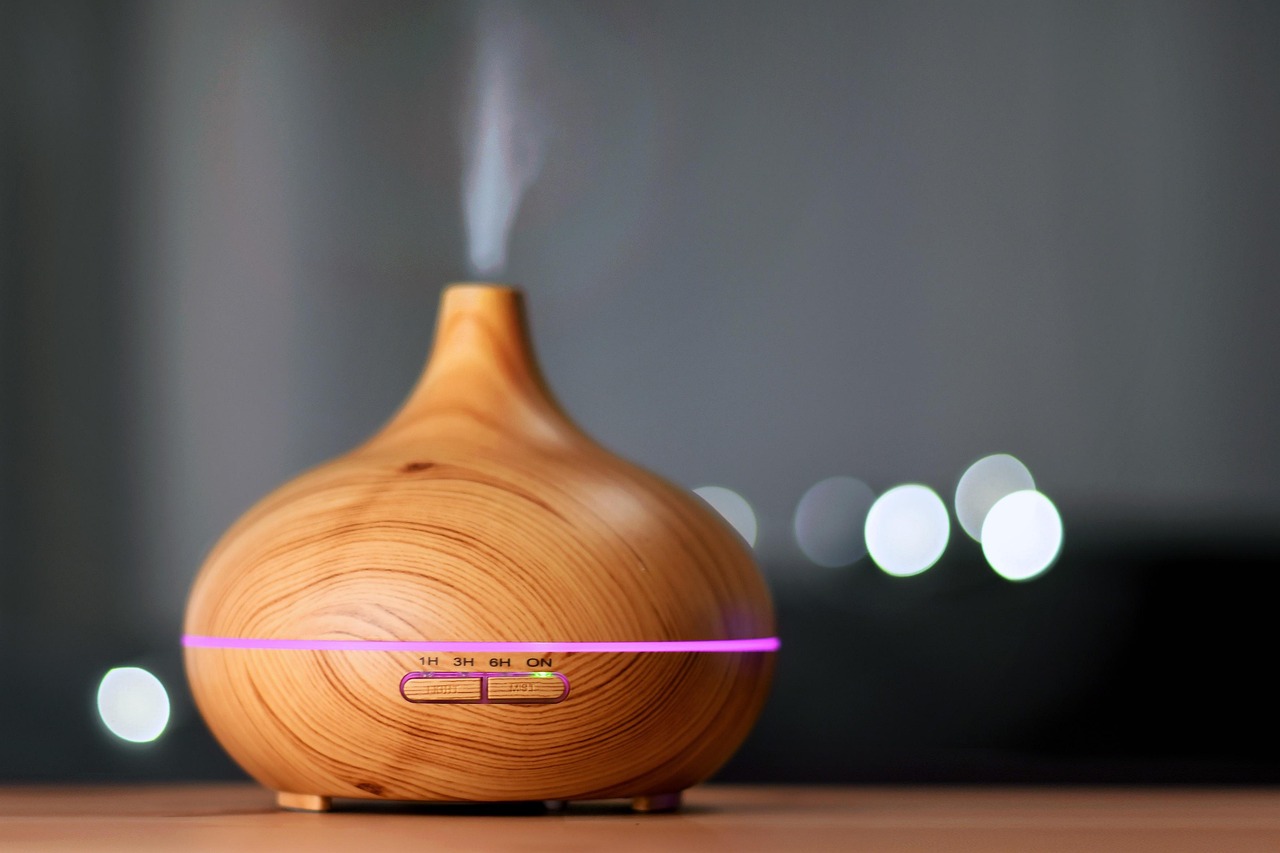
One of the simplest methods to integrate aromatherapy into your post-workout routine involves using essential oil diffusers. Essential oil diffusers disperse a fine mist of droplets into the air, allowing you to enjoy the therapeutic benefits. Lavender oil, known for its calming effects, is an excellent choice for evenings, as it can reduce anxiety and promote relaxation. A study showed that inhaling lavender aroma improved sleep quality in subjects who actively engaged in strenuous exercise. Before sleeping, consider setting a diffuser in your bedroom with a few drops of lavender oil blended with water. A gentle warm light alongside the diffusion process creates a tranquil atmosphere conducive to restful sleep. Alternatively, a warm bath infused with eucalyptus or chamomile oil might also be beneficial. The warm water combined with aromatic oils can begin the relaxation process. Add this step anywhere from 60 to 90 minutes before your bedtime to help lock in a routine. Additionally, breathing deeply while diffusing oils during meditation can further enhance their calming effects. Therefore, this combination of practices can lead to a smoother transition into sleep.
Essential Oils for Sleep Improvement
In the context of sleep and recovery, not all essential oils are created equal. Some are specifically renowned for their role in improving sleep quality. Chamomile, for instance, not only aids relaxation but also helps in reducing insomnia, especially when used in an aromatherapy context. Geranium oil is another excellent choice, known for its balancing effects and ability to relieve stress. Incorporating these oils into your nighttime routine can optimize recovery after exercise. For instance, consider mixing chamomile oil with carrier oils, such as coconut or jojoba, for safe application on the skin. This technique might enhance the absorption of beneficial properties while providing additional moisturizing benefits. Alternatively, some individuals find combining different oils enhances their therapeutic effects due to synergy. Hence, blending lavender, chamomile, and cedarwood can create a custom sleep-inducing scent tailored to your personal preferences. Use a small roller bottle for convenience at bedtime. Remember to perform a patch test before applying any new oil blends directly onto the skin to ensure no adverse reactions occur.
When exploring the role of aromatherapy in sleep, understanding the psychological impact of scents is vital. Smells can trigger memories, moods, and emotional responses. Therefore, associating particular scents with relaxation can transform your sleep environment. For instance, incorporating essential oils into a sleep spray can be a game changer. Mix a few drops of essential oils with water in a spray bottle. Lightly mist your pillows or bedding about 30 minutes before you plan to sleep for a refreshing atmosphere. By connecting specific scents with sleep, you can signal your body that it is time to unwind. Further, create a calming bedtime ritual by using the spray while engaging in relaxing activities, such as reading or listening to soft music. This multi-sensory approach enhances the routine and prompts relaxation. A consistent ritual helps train your brain to expect and embrace sleep more readily. As a result, the integration of aromatherapy can significantly elevate your quality of rest. Experiment with preferred scents and methods for the most enjoyable experience leading to rejuvenating sleep.
Breathing Techniques with Aromatherapy
Combining aromatherapy with conscious breathing techniques can amplify benefits and improve sleep quality significantly. Focused breathing increases oxygen flow and encourages relaxation. Begin with deep, slow breaths, inhaling deeply through your nose and exhaling fully through your mouth. While breathing, focus on the scent of your chosen essential oil. Identify which oil calms you the most effectively. Lavender or sandalwood provides a grounding effect that enhances relaxation. During your post-workout wind-down, spend a few minutes practicing these breathing exercises with your chosen scents. This practice will help anchor your thoughts and release stress accumulated during physical exertion. A calming environment, when paired with aromatic oils, creates an ideal atmosphere for sleep. Additionally, consider visualizing each breath as an inhalation of serenity and an exhalation of tension. This approach maximizes the impact of the scents and the calming influence of deep breathing. If you consistently dedicate this time pre-sleep, you may notice an improvement in both your sleep onset and quality. Breathing exercises combined with aromatherapy can yield productive results in your sleep routine.
Incorporating aromatherapy alongside proper sleep hygiene practices is essential for achieving optimal benefits. Prioritize creating a dark, cool environment to support restful sleep in conjunction with using essential oils. Consider adjusting your room temperature to a comfortable range that promotes sleep. Avoid electronics before bedtime, as the blue light emitted can disturb your natural sleep patterns. Instead, engage in calming activities while your aromatherapy elements work. In addition, maintain a consistent sleeping schedule, waking, and sleeping at the same times every day. When your body’s internal clock is attuned, falling asleep becomes much easier. Limit caffeine intake in the hours leading up to your bedtime, as it can interfere with relaxation. Furthermore, avoid heavy meals shortly before sleeping to prevent digestive issues. Regular exercise promotes better sleep but ensure it’s completed several hours before bedtime to allow your body to wind down. A successful combination of aromatherapy and good sleep hygiene practices leads to profound improvements in overall sleep quality, which is significant after rigorous workouts. Implementing both strategies together makes for a powerful recovery tool.
Final Thoughts on Aromatherapy and Recovery
As you consider the integration of aromatherapy within your post-workout recovery routine, remember its potential to enhance sleep quality and overall wellness. The effects of essential oils extend beyond simple fragrance—their therapeutic effects can reduce stress, promote relaxation, and encourage restful sleep. Experiment with various oils to determine which fragrances resonate best with your body and senses. Try to develop a personalized routine that harmonizes with your lifestyle while incorporating these practices. As aromatherapy plays a vital role in sleep recovery, establishing connection and consistency is key. Finally, always be cautious with essential oils, ensuring you follow guidelines for safe usage. Dilution with carrier oils and avoiding any skin irritants during application is important. Consider also the psychological aspect of scent—allowing your chosen aromas to create a comfortable, inviting space can transform your nightly experience. Prioritizing sleep and rest as part of the recovery process will aid in the overall effectiveness of your physical routines. Thus, utilizing aromatherapy can significantly enhance your training outcomes, making it a worthwhile practice for wellness.
Overall, the integration of aromatherapy within your nighttime regimen after intense workouts allows for a holistic approach to recovery. Not only does it provide comfort, but it also offers a deeper connection with self-care practices. Embrace the opportunity to explore and personalize your techniques, finding the right combination of scents and methods to best support your sleep. Aromatherapy techniques laid out within this article should be adaptable to reflect your personal preferences and lifestyle. Therefore, this exploration can enhance your experience of relaxation while encouraging a rejuvenating night of sleep. Attention to the synergy between essential oils and effective relaxation practices builds a solid foundation for overall recovery. Allocate time to unwind, introduce your chosen aromatherapy, and focus on deep breathing or mindfulness. These practices trigger profound shifts in how you respond to stress and how well you recover. Reaffirming commitment to self-care can lead to enhanced performance in your physical activities and improved mental clarity in daily life. Challenge yourself to embrace these soothing rituals as they yield significant long-term benefits for your overall recovery and health.