
Using Mindfulness to Enhance OCR Motivation
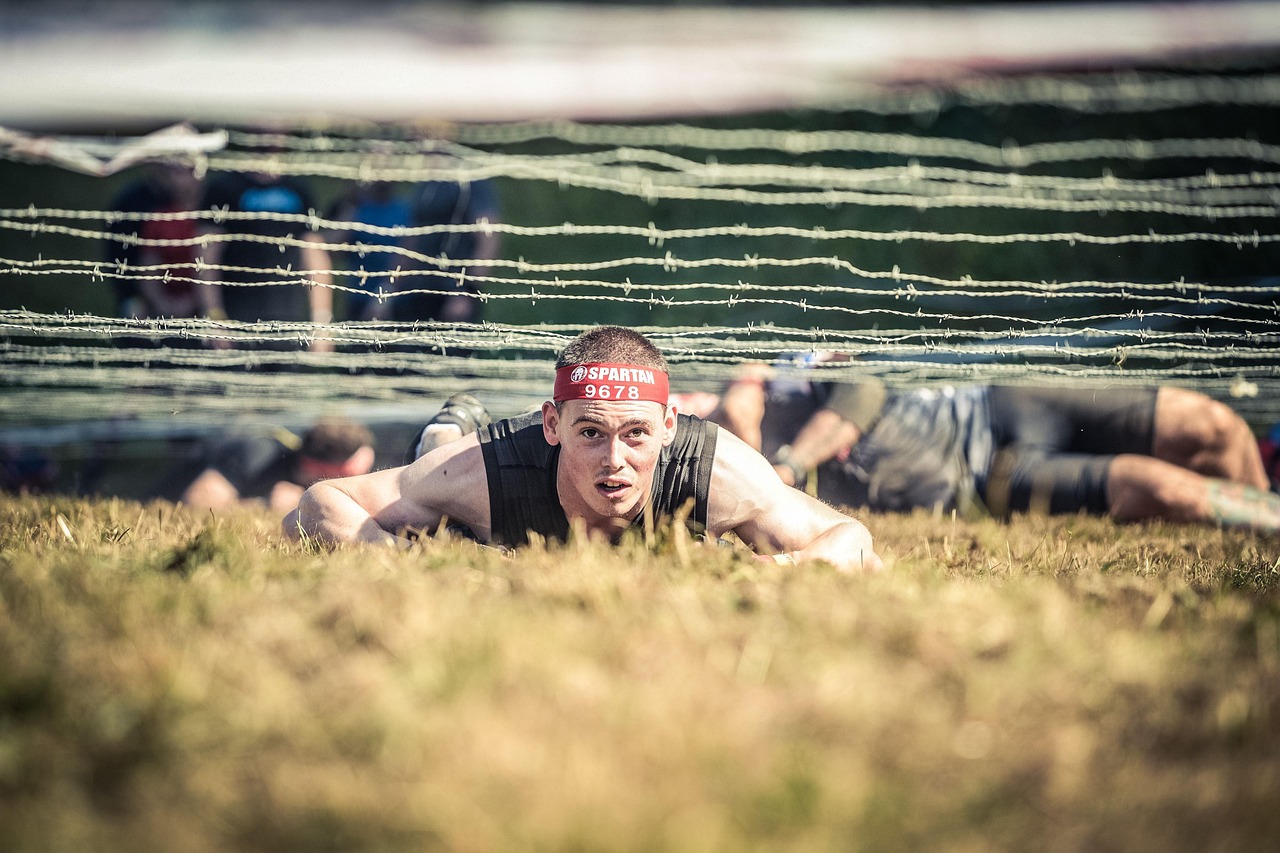
Obstacle Course Racing (OCR) presents a unique set of challenges requiring both physical endurance and mental fortitude. Athletes often struggle with motivation, especially when faced with demanding training sessions or competition fatigue. One effective method to foster motivation and improve performance is through mindfulness. Mindfulness promotes a state of awareness that can help athletes remain focused and present in their training. When athletes practice mindfulness, they can better manage anxiety and stress associated with racing. It creates mental space for positive thoughts and encourages resilience. Athletes can improve their overall outlook by effectively integrating mindfulness techniques, allowing themselves to engage fully with each training session. Enhanced motivation fuels athletes, propelling them to harness their potential throughout their OCR journey. Various mindfulness strategies, such as focused breathing and meditation, enable athletes to cultivate a positive mindset, reinforcing their commitment to their goals. By understanding the power of mindfulness, OCR athletes can learn how to navigate challenges and remain engaged in their races, increasing their motivation and overall performance. This practice can significantly enhance their enjoyment of the sport as well, making the journey more fulfilling and motivating.
Incorporating mindfulness into training schedules can greatly enhance motivation for OCR athletes. Mindfulness allows athletes to focus on the present moment rather than worrying about past failures or future outcomes. By concentrating on what they can control during their training and races, athletes foster a robust mental attitude that enhances perseverance. Establishing a consistent routine includes short mindfulness sessions before or after workouts that can reframe an athlete’s mindset. Additionally, these practices facilitate recovery between tough training sessions, helping athletes avoid burnout by maintaining the joy of racing. Athletes can also measure their mental progress alongside their physical training. Utilizing journals to track their mindfulness practice allows individuals to visualize their growth. Keeping records aids in noticing patterns in motivation, both highs and lows. Creating accountability partnerships with fellow OCR athletes can further elevate commitment, as sharing experiences builds camaraderie and promotes shared motivation. Mindfulness acts as a tool that empowers athletes to overcome setbacks and keeps their passion alive amidst grind and challenge. Overall, adopting mindfulness enhances motivation, instills a sense of purpose, and creates a rewarding experience for OCR athletes.
The Benefits of Mindfulness Practices
Engaging in mindfulness practices offers numerous benefits to OCR athletes, particularly in the motivation domain. These practices include techniques such as deep breathing, meditation, and visualization. Each of these elements cultivates concentration and mental clarity crucial for athletic performance. When athletes start focusing better, distractions fade away, allowing them to concentrate on their goals. Furthermore, benefiting from mindfulness translates to enhanced emotional resilience. Athletes learn to acknowledge their emotional states without becoming overwhelmed by them. This skill ensures they can maintain motivation even when faced with unexpected setbacks during training or races. Moreover, regularly practicing mindfulness can lead to improved self-awareness and self-control. Athletes gain a deeper understanding of their bodies and minds through this awareness. They begin to listen to their body signals, such as fatigue or stress. This understanding allows for more effective training, as athletes can schedule rest days when necessary and optimize the intensity of workouts. As motivation improves, athletes experience increased enjoyment and satisfaction during races. It reinforces their commitment to their OCR journey while cultivating a positive relationship with their sport.
Selecting mindfulness techniques tailored specifically for OCR can further enhance motivation alongside coping aptitude. Athletes may gravitate towards certain methods that align with their preferences or suit their training style. This personal selection promotes deeper engagement with the technique, as it resonates more profoundly with individual needs. For instance, some athletes may benefit more from meditation while others thrive under focused breathing exercises. Creating a balanced mix ultimately supports sustained enthusiasm and performance. Combining physical training with mental training through mindfulness encourages well-rounded development. Additionally, mindfulness can showcase the beauty in each phase of training. Athletes can learn to appreciate small victories along the way, fostering a positive mindset that radiates into every aspect of their lives. Developing a gratitude practice can elaborate on this aspect, highlighting reasons to feel motivated. Ultimately, the key approaches to incorporating mindfulness techniques into OCR training include daily rituals or post-race reflections. By staying open to these practices, athletes can enhance focus, motivation, and resilience during races, ensuring they perform at their best.
Visualization Techniques for Enhanced Performance
Visualization techniques play a significant role in enhancing not only motivation but also performance for OCR athletes. These techniques enable competitors to mentally rehearse their movements, environment, and emotional responses during various challenges. By spending time visualizing themselves overcoming obstacles, athletes gain familiarity and confidence in executing their strategies during actual races. When armed with a clear visualization of success, they enhance their motivation to train harder, knowing they have experienced victory in their minds before facing the real challenge. Moreover, visualization provides a chance to establish relaxing pre-race rituals, creating positive mental preparations. Combing visualization with breathing techniques further encourages focus and calmness, essential for optimal performance. The more athletes visualize their goals, the stronger their internal motivation becomes. This intrinsic motivation propels them through tougher moments, where fatigue or frustration would typically arise. Additionally, visualization can serve as a source of inspiration when motivation dips. Athletes reflect on their dreams and anticipated accomplishments, igniting sparks of motivation that can fuel their training. Adapting these powerful techniques to their OCR regimen ensures athletes continually move closer to fulfilling their ambitions.
Creating a supportive environment is crucial for OCR athletes leveraging mindfulness to enhance their motivation. Having positive relationships with fellow athletes, coaches, and supportive family members can foster an encouraging space for growth. Encouragement from others reinforces athletes’ motivation and helps maintain accountability. Sharing goals and experiences allows athletes to draw strength and inspiration from each other, preserving motivation. Group mindfulness practices can also strengthen connections among athletes while promoting mutual understanding of each person’s journey. Additionally, utilizing online forums or social media to discuss mindfulness in OCR can serve as motivational support systems. Engaging with communities interested in similar goals can positively influence athletes’ dedication to their practice. Furthermore, understanding that setbacks are a part of the journey allows athletes to remain patient with themselves. Encouraging a growth mindset aligns well with mindfulness principles, as it allows athletes to accept challenges without losing heart. This willingness to face believe in oneself is paramount to sustained motivation while racing through various obstacle courses. By creating a warm, supportive environment, athletes can unlock their full potential and fuel their passion for OCR.
Conclusion: Cultivating an Olympian Mindset
In conclusion, utilizing mindfulness practices can significantly enhance OCR athlete motivation and overall performance. By infusing mindfulness into their training, athletes gain the tools necessary to persevere through obstacles both on and off the course. The integration of both physical and mental training empowers OCR participants to cultivate a positive association with their sport. As athletes learn to embrace their journey, whether faced with triumph or adversity, they ultimately strengthen their commitment and motivation. Mindfulness offers a unique lens through which athletes may view challenges. It transforms the athlete’s outlook and fosters a deeper understanding of personal growth opportunities amidst struggles. The techniques discussed, including visualization, focused breathing, and supportive relationships, become indispensable aspects of a successful OCR athlete’s toolkit. By regularly practicing mindfulness, athletes not only enhance their capabilities but also cultivate a rich enjoyment of obstacle racing. As each athlete uniquely engages with these practices, their personal barriers to motivation dissolve, allowing for a vibrant and flourishing racing experience. Embracing an Olympian mindset becomes a natural progression through sustained mindful practice, positioning them on the path towards sustained success in OCR.