
The Future of Privacy in Smart Fitness Wearables: Trends and Predictions
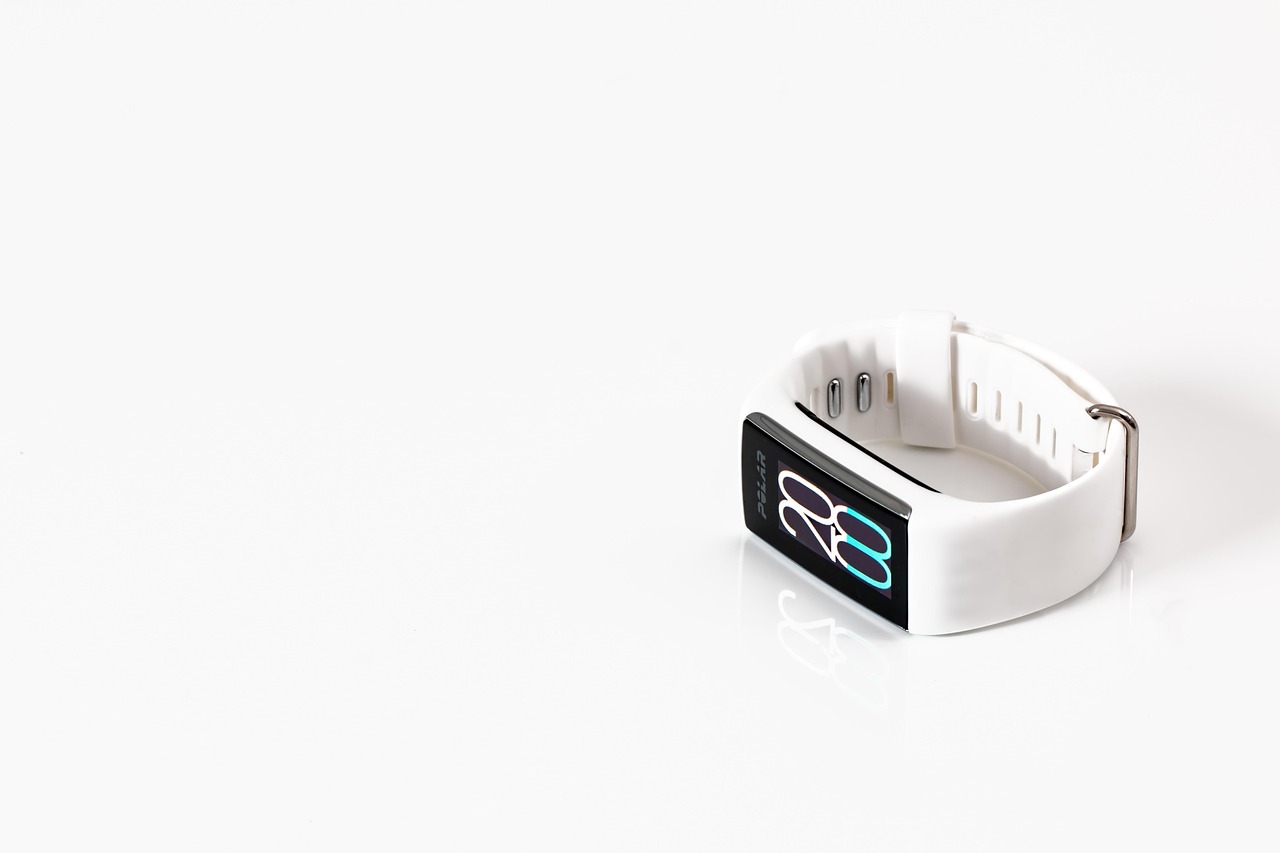
The rapid evolution of smart fitness wearables has created remarkable opportunities for tracking personal health metrics. Yet, with these innovations come significant concerns about data privacy. Users are increasingly aware that their fitness data—from heart rates to locations—can be collected, analyzed, and shared. This growing complexity demands a more robust approach to how data is protected, managed, and used. Consumers expect transparency regarding how their information is utilized by companies. Privacy policies often remain convoluted, leading to mistrust among users. Consequently, fitness tech companies must prioritize clear communication regarding their data handling practices.
As we delve deeper into fitness technology, the integration of artificial intelligence and machine learning into wearables raises both excitement and concern. AI algorithms can provide personalized coaching and health insights but require extensive user data to function effectively. The reliance on sensitive information accents the importance of user consent. Wearable manufacturers must develop stringent measures to control data sharing and user profiling. Striking the right balance between personalization and data privacy will be essential for future innovations. As tech consumers become more discerning, companies may face backlash if they don’t prioritize secure user experiences in their products.
Current Data Privacy Regulations and Wearables
Regulations like GDPR and CCPA have reshaped the conversation around data privacy, especially in the realm of wearables. These laws ensure that consumers have rights over their personal information. Smart fitness wearable companies must comply with these regulations or risk severe penalties. The implementation of privacy by design is becoming crucial, ensuring that data protection is integrated throughout the product lifecycle. Furthermore, businesses must continually adapt to evolving legislation as policymakers recognize the unique challenges posed by fast-paced technology. This adaptation will be crucial in maintaining consumer trust in fitness applications.
Moreover, as data security becomes paramount, many companies are increasingly adopting encryption technologies to safeguard user data. Protecting data at rest and during transmission helps mitigate risks associated with cybersecurity threats. However, some experts argue that encryption alone isn’t enough; companies must foster a culture of security awareness. They should conduct regular audits and assessments to identify vulnerabilities. Additionally, educating users about their role in protecting their data is essential. Many wearable brands could benefit significantly from investing in user education regarding the importance of strong passwords and regular software updates.
The Role of User Education in Data Privacy
A key aspect of ensuring privacy in fitness wearables relates to educating users on how to manage their privacy settings. Users should understand what data is being collected and how they can control its sharing. Fitness tech companies can enhance user manuals, tutorials, and FAQ sections with detailed guidance on optimizing privacy settings. By actively engaging with their users through blogs, webinars, or social media, brands can cultivate a community that values security. Transparency in data practices alongside educational efforts may significantly influence consumer loyalty and retention in the long run.
Looking ahead, we anticipate the emergence of new privacy technologies designed specifically for the wearables market. Concepts such as decentralized data storage or blockchain could potentially revolutionize how user data is handled. These technologies may allow users greater autonomy over their information, offering them more control over who accesses their data. The potential for innovations to enhance transparency and minimize data misuse could reshape consumer confidence in fitness technology. As these solutions are developed, user rights and ethical considerations must be prioritized, ensuring that innovations benefit users rather than exploit them.
Conclusion: Embracing Future Data Privacy Challenges
Ultimately, the future of fitness wearables hinges on how well the industry can navigate the complex landscape of data privacy. Preparing for potential challenges while fostering a culture of trust and transparency will help companies retain customer loyalty. Balancing innovation with ethical practices creates opportunities for leading brands to distinguish themselves in a crowded market. As consumers become more aware of their rights and the data they share, brands that prioritize privacy are likely to thrive. Continuous engagement with users in discussions about privacy rights must remain a priority as technology further evolves.
In summary, the trajectory of smart fitness wearables and privacy intertwines uniquely as technology advances. Privacy concerns, regulatory changes, and user expectations will inevitably shape the future of this sector. By blending innovative data practices with proactive user education, brands can enhance their reputation and market presence. As the focus shifts more towards data ownership and ethics, it is paramount for the industry to remain vigilant. Ultimately, the future of smart fitness wearables will be defined by how well they adapt to the dynamic landscape of technological and regulatory demands.