
Common Tennis Injuries and How to Prevent Them
Tennis is an exhilarating sport but comes with a risk of injuries. Players often suffer from ailments affecting their arms, legs, and backs. Understanding these common injuries can help you take necessary precautions and improve your tennis fitness. The most prevalent injuries include tennis elbow, wrist sprains, shoulder tendinitis, and ankle sprains. Also, ankle injuries often occur during quick, lateral movements typical in tennis. Furthermore, understanding what might trigger these injuries is crucial for players at all levels. Creating a personalized fitness plan helps in prevention. Players should focus on conditioning and stretching before and after matches, as flexibility can reduce injury risk. Properly warming up before playing is vital, ensuring muscles become more pliable. Additionally, choosing appropriate footwear and ensuring that your racket suits your playing style can make a big difference. Remember, paying attention to your body and recognizing signs of fatigue are essential. Identifying areas prone to injury allows players to address them proactively. In light of this, educating yourself on biomechanics is a fantastic step towards injury prevention.
Understanding Tennis Elbow
Tennis elbow is a common complaint among tennis players, characterized by pain on the outer part of the elbow. This condition results from tendinitis caused by repeated wrist and arm motions. Furthermore, it can significantly impact your performance by limiting your grip strength and swing mechanics. Symptoms usually include tenderness, pain, and discomfort when gripping objects or during certain motions. To prevent this condition, it is crucial to engage in preventative exercises focusing on forearm strength and flexibility. Proper grip size and racket selection also play a vital role in reducing excessive strain on your elbow. Professional players often benefit from engaging a coach to refine their strokes and techniques. Alternating between different strokes can help reduce strain on the elbow as well. Stretching before play also prepares the muscles for action. Rest is essential if you experience any soreness after playing. Ice application and anti-inflammatory medications may provide relief during recovery. Be mindful of the symptoms and address them promptly to avoid worsening the condition and leading to a long-term injury.
Preventing wrist injuries is critical for any tennis player who relies on wrist movements. Wrist sprains occur due to sudden or awkward movements and result in pain, swelling, and limited mobility. Additionally, overuse or repetitive stress on the wrist from activities such as serving and volleying can exacerbate the injury. To prevent wrist injuries, strengthening exercises that focus on improving wrist stability are effective. Wrist stretches before practice can enhance flexibility. Moreover, players should ensure their grip on the racquet is not overly tight. A proper grip can reduce strain on the wrist during play, allowing for comfortable swings. It is also advisable to use wrist supports when engaging in intense matches or practice. Monitoring your play to avoid excessive wrist extension can also help prevent injuries. If you feel discomfort, resting the wrist is crucial to avoid aggravating the issue further. Seeking professional medical advice if the pain persists is a wise step. Being proactive regarding your wrist’s health enhances your overall tennis fitness, allowing you to enjoy your time on the court without enduring unnecessary pain.
Shoulder Injuries in Tennis
The shoulder is extremely important in tennis, given its role in serving and overhead shots. Shoulder tendinitis is common among players, arising from overuse and repetitive motions that put stress on the shoulder joint. Symptoms often include pain, stiffness, and swelling, which can impact your ability to play effectively. Preventing shoulder injuries involves a combination of proper warm-up exercises, strength training, and maintaining good shoulder flexibility. Rotator cuff exercises are particularly beneficial in building shoulder stability, decreasing the risk of injury. It is equally important to develop core strength, which plays a supportive role in shoulder function. Adequate rest and recovery time between matches can also prevent strain on the shoulder. Additionally, using the correct ball toss and service technique can help alleviate unnecessary wear on the shoulder. Regular physical therapy focusing on shoulder mobility is highly recommended. Ensure proper racquet fitting to minimize stress on the shoulder joint. If shoulder pain occurs, addressing it promptly with ice and proper positioning is essential. Seek professional assessment to avoid long-term repercussions, as maintaining shoulder health is vital for sustained excellence in tennis.
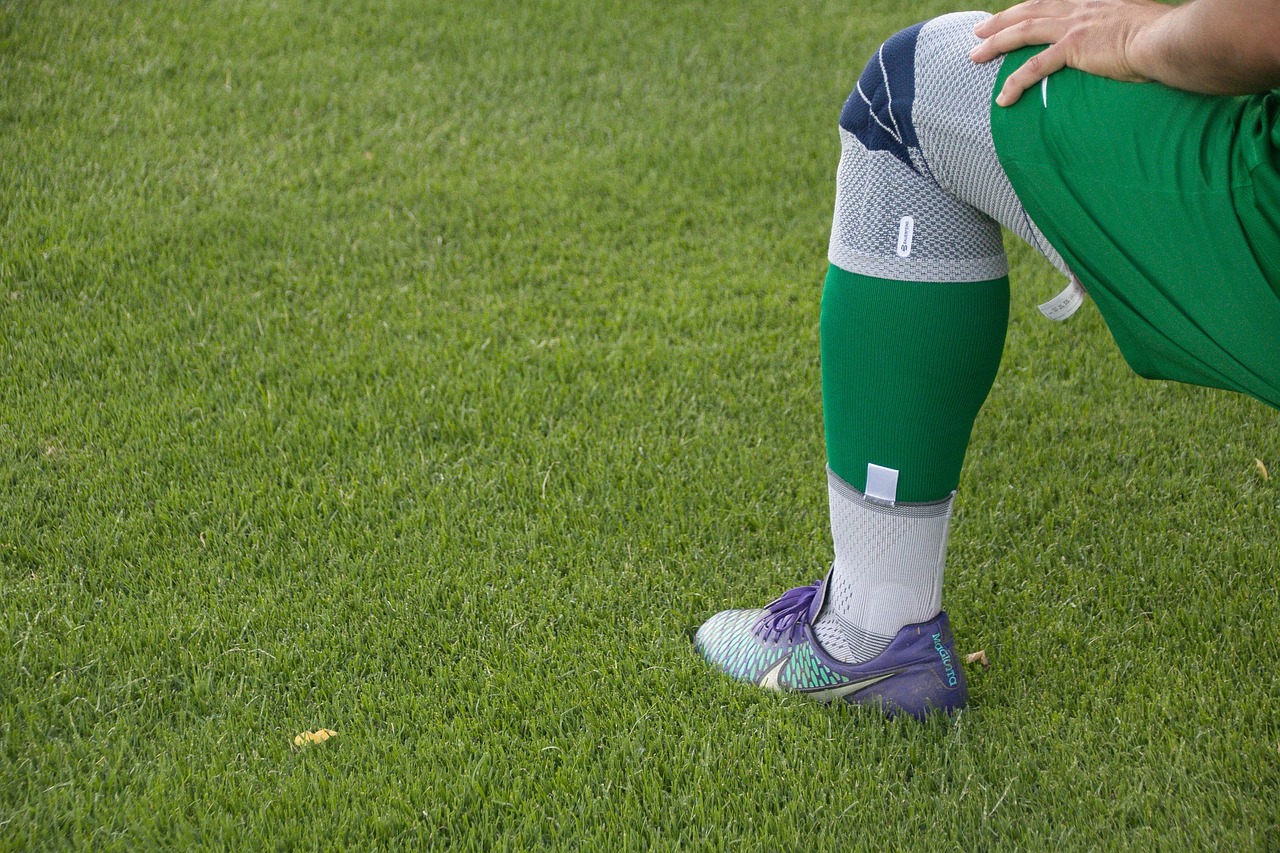
Ankle sprains are another prevalent injury that affects many tennis players, often resulting from quick lateral movements or awkward landings during play. The abrupt changes in direction commonly seen in tennis create considerable stress on the ankle, leading to sprains. Symptoms typically include swelling, pain, and difficulty walking post-injury. To reduce the risk of ankle sprains, a solid focus on ankle stability is necessary. Incorporating balance and strength exercises in training routines can enhance the overall stability of your ankles. Additionally, using high-quality footwear with proper ankle support is essential in providing protection during intense matches. It may also be beneficial to wear ankle braces when returning from previous injuries or during extremely competitive play. Effective warm-up routines should involve dynamic stretching to prepare the ankles for the movements required in tennis. Also, consider your playing surface, as slippery or uneven courts can increase the risk of injury significantly. Staying aware of your body and how it responds during play helps you avoid situations that could lead to sprains. Overall, prioritizing ankle health is critical for tennis fitness and long-term enjoyment on the court.
Effective Cool Down Techniques
The importance of cooling down after a strenuous tennis match cannot be overstated. Cooling down is essential to help your muscles recover and prevent stiffness and soreness after the game. This process allows your heart rate and breathing to gradually return to their resting levels. Stretching major muscle groups used during play helps improve flexibility and reduces tightness. Stretching exercises should target the legs, hips, back, shoulders, and arms for an effective cooldown routine. Engage in static stretches and hold each for around 15-30 seconds to enhance muscle relaxation. Additionally, hydration plays a crucial role in recovery as it replenishes fluids lost during play. Consuming adequate amounts of water helps reduce the chances of cramping as well. Nutrition also aids recovery; incorporating protein and carbohydrates post-match can enhance muscle repair. Monitor your body’s signals during cooldown and take the time necessary for recovery. Consider foam rolling to alleviate tension in muscles. Investing time in your recovery routine pays off by preventing injuries in subsequent practices and matches, ensuring better long-term fitness and performance.
In summary, being aware of common injuries in tennis is crucial for maintaining a healthy fitness level. Prevention strategies like warm-up routines, proper technique, and training exercises can significantly reduce risks. Regularly monitor your body’s feedback to recognize early signs of discomfort or strain. Seek professional advice when necessary to address any persistent issues effectively. Invest time in your fitness routine and recovery to ensure a longer tennis career with minimized injury risks. Also, regularly assess equipment and playing conditions, ensuring they are aligned with safety standards. Implementing a well-rounded approach that includes strength training, flexibility, and conditioning will fortify your body against typical tennis injuries. Don’t ignore the importance of education on injury prevention techniques; knowing the biomechanics at play can empower you. Overall, players at every skill level benefit immensely from injury prevention tactics. By prioritizing fitness, players can enjoy the game with reduced risk while enhancing their performance. Stay proactive about maintaining your physical well-being, allowing yourself to excel in your tennis journey!