
Using Power Meters to Guide Cycling Pacing Decisions
Cycling endurance performance can significantly benefit from the implementation of power meters as effective tools for pacing strategies. Power meters measure the output of the cyclist in watts (W), offering real-time data that maximizes training efficiency. Knowing one’s power output allows cyclists to maintain an optimal effort throughout their ride. This approach mitigates the risk of either overexertion or inadequate effort during longer rides, which is often a challenge. Adopting a structured pacing strategy involves determining maximum sustainable power over various time frames. It helps in prescribing effort levels adapted to individual endurance. For effective training, cyclists must learn to align their power outputs with heart rate zones, allowing them to prepare strategically for races or training sessions. Individual differences like fatigue, terrain, and weather can affect performance. It is crucial to regularly adjust pacing strategies using power meter data. The importance of recovery after high-intensity efforts cannot be overstated. Understanding how to harmonize power output and training load paves the way for complete and balanced endurance cycling training.
The application of power meters offers insights that support tailored training programs. These devices track detailed metrics such as average power, normalized power, and intensity factor. Analyzing this data aids cyclists in recognizing their strengths and weaknesses, enabling specific focus areas in training. For instance, cyclists can identify moments where they consistently exceed or fall short of target power outputs. Rides can be divided into intervals based on power targets, providing structured sessions that cultivate endurance and strength. An essential component of successful pacing strategies includes establishing power zones. Categorizing efforts into different zones helps cyclists tailor sessions effectively. For example, Zone 1 relates to active recovery, while Zone 5 signifies maximum effort. Referring to these zones allows for precise training objectives. Additionally, repeated evaluations of power output can illustrate performance trends over time, empowering athletes to track improvements or declines in their abilities. Integrating power data with a thorough training log also creates a holistic view of training adequacy, which strengthens the relationship between data analysis and practical application.
Power Zones and Their Importance
Understanding power zones is a critical aspect of implementing effective pacing strategies. These zones categorize the intensity of training and help cyclists target their efforts for improved performance. Zones are typically defined as a range of power outputs, with each zone reflecting distinct physiological responses. Zone 1 signifies recovery; it’s crucial for active rest and allows for recovery. Zone 2 is often the endurance zone, where many cyclists spend extensive training time improving aerobic capacity. Zone 3 often represents tempo; cyclists work continuously below their threshold power, which builds stamina and efficiency. Zones 4 and 5 include lactate threshold and anaerobic efforts, pushing the limits of power output. Cyclists frequently need to operate within higher zones for race situations. Racing demands a delicate balance that respects both sustained power and recovery phases. Understanding how to strategically allocate time within these zones enhances an athlete’s ability to manage power output effectively. This comprehension empowers cyclists to compete in events knowing they will avoid premature fatigue and can sustain peak performances longer. Power zones are essential for personalized pacing and establish an effective training roadmap.
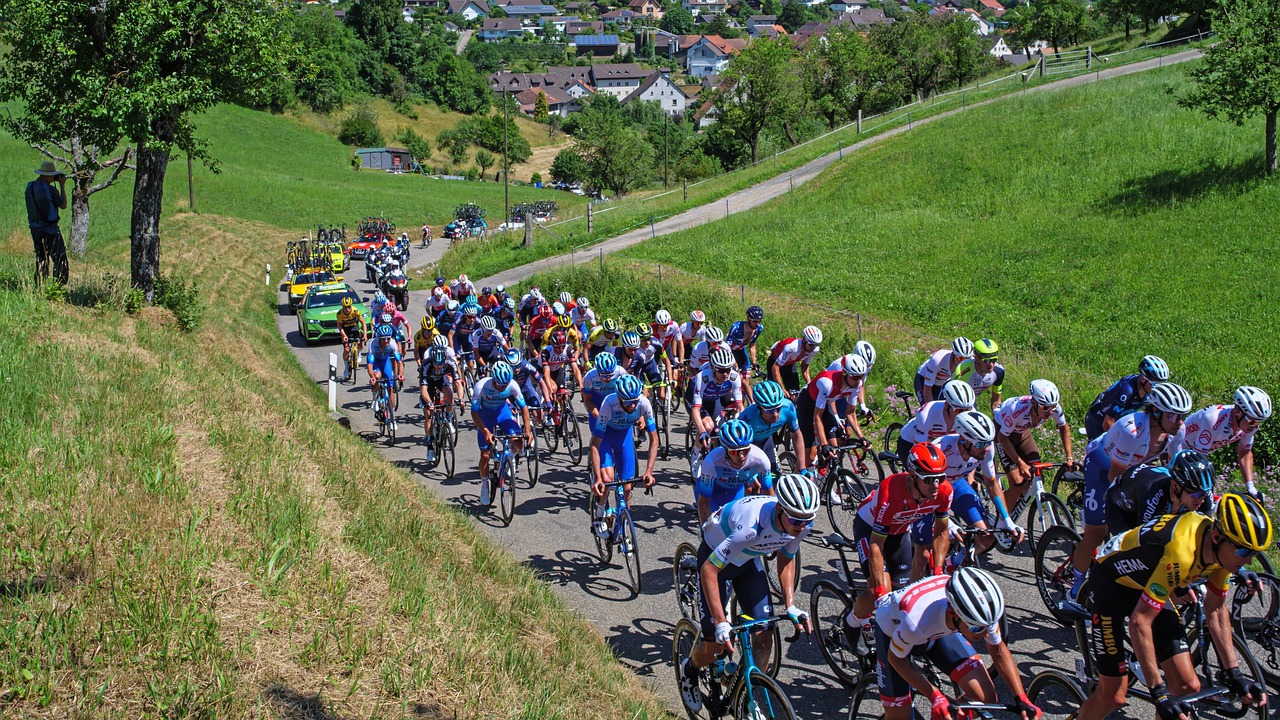
Cyclists often encounter varying road conditions, making adaptability in pacing decisions essential for performance. Training on different terrains affects how athletes apply their power under specific conditions. For instance, climbing requires sustained efforts in higher power zones compared to flat terrain, where speed can often be maximized by pacing efficiently just below the threshold. Power meters assist in recognizing how these variations affect overall performance, bridging the gap between effort and terrain management. In preparation for races, cyclists can simulate potential conditions using their power meter data, adjusting their pacing strategies accordingly. Essential to this process is the practice of pacing oneself both mentally and physically. Proper mental pacing strategies involve setting realistic goals based on historical power output data. This forward-thinking approach builds proficiency in using current conditions to forecast performance. Following effective pacing strategies maintains cyclists’ competitiveness in changing race scenarios. As cyclists embed this dynamic application of power data into their routines, they reinforce their capabilities and resilience when experiencing variable racing conditions.
Critical Role of Recovery in Pacing
Recovery is an integral part of pacing strategy that can often be overlooked. Cyclists need to understand that sustainable performance requires periods of recovery, especially following high-intensity workouts. The effectiveness of pacing directly correlates with an athlete’s ability to bounce back from strenuous phases. Implementing active recovery days is vital for long-term performance improvement. Power meters can indicate exercise duration and effort during recovery periods, ensuring that athletes prioritize recovery without falling behind training objectives. Cyclists can use these insights to monitor training loads and adapt their plans based on recovery responses. Cyclists can track heart rate recovery rates alongside power meter data for comprehensive insights. This practice assists in discerning how recovery periods influence overall pacing proficiency. Additionally, important metrics from power meters reveal potential overtraining signs, assisting cyclists in avoiding burnout. Adjusting the intensity of pacing based on fatigue marks a well-rounded approach to endurance training. This balance ultimately results in more significant performance gains and better endurance, as careful management of recovery weeks solidifies athletes’ resilience and adaptability over time.
Regular power meter analysis provides vital feedback regarding pacing strategies for endurance cyclists. Utilizing power meter data effectively allows cyclists to train smarter rather than harder, improving overall cycling performance without excessive fatigue. It is crucial to establish a routine for reviewing this data after sessions or races to interpret critical aspects of performance effectively. Athletes should evaluate average power and time in each zone to understand how they met their pacing goals. Comparing these results with past performances offers key insights and professional growth within each cycling season. Engaging in discussions with coaches or fellow cyclists also fosters a supportive environment, enhancing the understanding of complex data. Consider incorporating technology trends such as analytical software to deepen insights from power meter readings. These applications can help visualize performance progress and project future strategies based on current fitness levels. Analyzing trends over time culminates in precise adjustments that pinpoint weaknesses and highlight developing strengths. Adapting these insights directly into training regimens sustains the effectiveness of pacing strategies and drives continual improvement.
Conclusion: The Future of Endurance Training with Power Metrics
The advent of power meter technology has revolutionized pacing strategies within endurance cycling. As the cycling community continues to evolve, the integration of power data plays a pivotal role in shaping the athlete’s approach to training and competition. Future advancements in power meter technology promise even greater insights into performance metrics, making personalized coaching increasingly possible. Being able to quantify exertion through precise data analysis facilitates perfect pacing approaches. Together with data-rich insights from various sensors, cyclists ensure each workout enhances their overall fitness. For athletes committed to achieving their personal bests, investing in both power meters and ongoing education regarding their use is crucial. Cycling enthusiasts must embrace the future, learning how to implement data-driven decisions into their pacing strategies effectively. As endurance sport continues burgeoning, utilizing technology while listening to one’s body and refining strategies will create impactful results. A combination of scientific knowledge, effective pacing, and recovery strategies culminates, leading to improved performance across the board. The future looks promising, and with the right tools, cyclists can achieve extraordinary things.
In conclusion, power meters provide an invaluable resource for cyclists aiming to optimize their pacing strategies. The continuous advancement in power meter technology ensures that athletes can extract essential performance insights tailored to their specific needs. Endurance cycling, as a discipline, thrives on the efficient utilization of pacing tactics, driving not only performance but also the overall enjoyment of the sport. By embracing an adaptable approach to training based on power data, cyclists can prepare for varied terrains and conditions. The journey towards mastery in cycling is dynamic and filled with opportunities for growth. As cyclists explore the integration of tech tools, the potential to redefine training methodologies increases. Riding with power meters enriches the cycling experience and enhances personal achievements on both competitive and recreational levels. The secrets of successful pacing in endurance sports lie within understanding data and how it can be applied on the road. Each cyclist’s journey is unique, but the power meter remains a constant ally in revealing one’s true potential. Ultimately, combining technology with resilience and strategy lays the foundation for success in endurance cycling and promotes a fulfilling athletic career.