
Incorporating Yoga into Your Race Preparation Routine
When preparing for a race, integrating yoga into your routine can offer numerous benefits. It helps to improve flexibility, enhances mental focus, and aids in recovery. Many runners overlook the importance of flexibility, thinking that running alone will provide sufficient training. However, yoga addresses key muscle groups that running may not fully stretch. This is crucial, especially for preventing injuries. Incorporating asanas like Downward Dog and Pigeon Pose can enhance hamstring and hip flexibility, helping you maintain a better running form. Furthermore, yoga encourages deep breathing, which is essential for endurance racing, as it boosts lung capacity and promotes efficient oxygen use during runs. Additionally, this practice can reduce anxiety, helping you calm pre-race jitters. With a clear mind, you’ll likely perform better. To effectively include yoga, consider scheduling classes or sessions at least two to three times weekly alongside your running schedule. If you’re not familiar with different poses or sequences, various online resources and apps are available that can guide you through specific routines tailored for runners. Ultimately, the integration of yoga may well transform your race preparation process for optimal performance.
The physical benefits of yoga reach far beyond flexibility and coordination. Engaging in regular yoga practice can build strength in muscles crucial for running. As you perform poses like Warrior and Chair, you engage your core, stabilizing muscles in ways that running alone may not. Many runners experience weaknesses in their core, leading to inefficiencies and increased risk of injury. Strengthening these areas with yoga not only supports your running posture but also promotes better energy distribution while you race. Additionally, consistent practice encourages body awareness, which is critical for adjusting your stride and pacing during a run. Recognizing tight areas can lead to better self-care strategies, making it easier to address potential issues before they evolve into injuries. Moreover, the focus on concentration during yoga can translate to improved mental resilience during races. Having a calm yet alert mindset can be the difference between finishing strong or faltering under pressure. Instructors will often guide you in tuning into your breath, which creates a connection to your body that enhances your endurance and efficiency when racing. With this combined approach, the transition to higher competitive levels seems achievable and less daunting.
Creating a Structured Yoga Routine
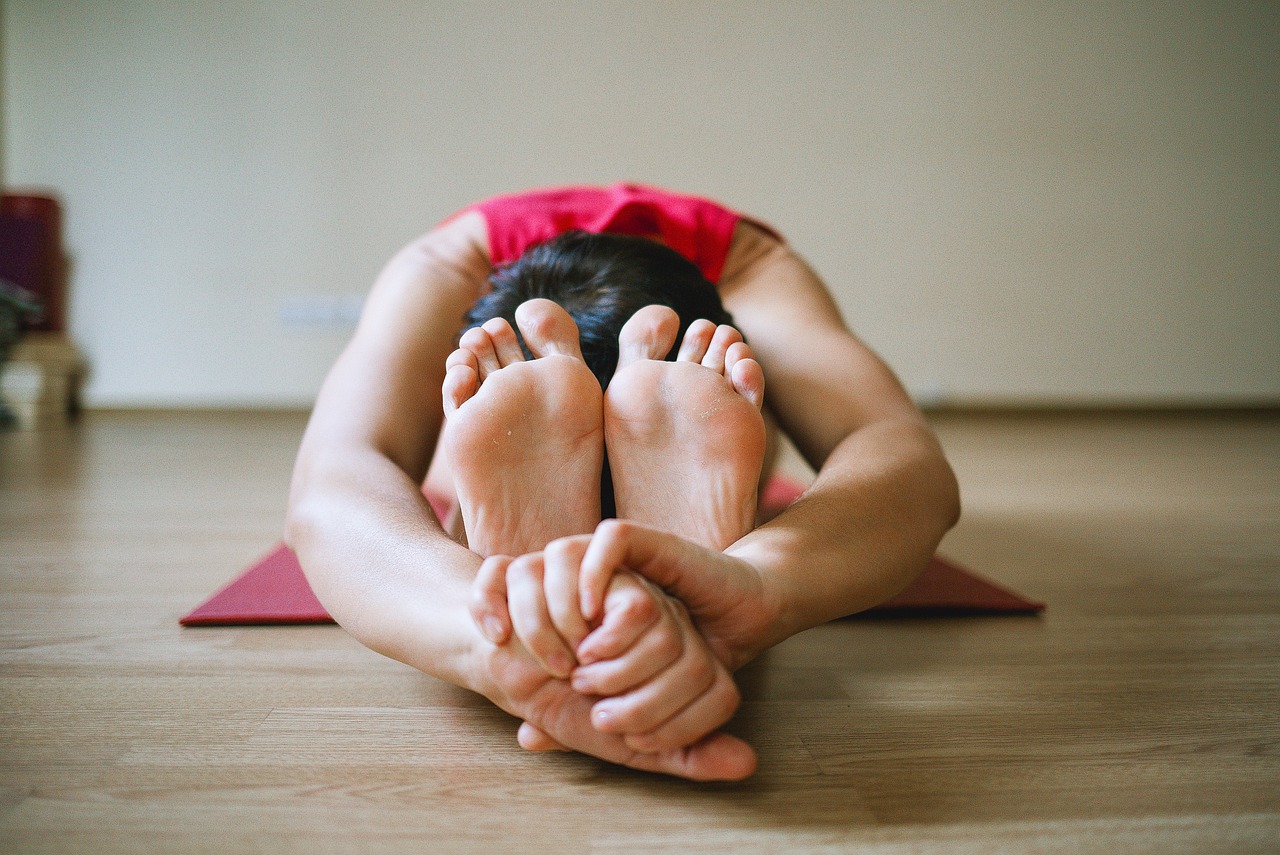
To maximize the benefits of yoga for race preparation, establish a structured routine tailored to your specific needs as a runner. Start by assessing your current fitness level and identifying any areas of tightness or weakness. From there, select yoga poses that align with your goals. For instance, if you find that your calves and hamstrings are particularly tight, incorporate poses like Standing Forward Bend and Seated Forward Bend. These stretch and elongate the muscles that often experience wear during long runs. It’s also vital to focus on recovery sessions post-race or training runs. Gentle restorative yoga can help, featuring poses like Child’s Pose and Legs-Up-the-Wall to soothe tired muscles. Another crucial aspect is to maintain consistency; try scheduling short 20-30 minute sessions multiple times a week. This approach allows gradual improvement without overwhelming your body. You might even consider joining a local class or engaging with an online community for motivation and support. Remember that integrating yoga should not replace running but rather complement it, promoting holistically enhanced performance during races while enriching your overall athletic experience.
As you delve deeper into incorporating yoga into your race preparation, it’s essential to remember the importance of listening to your body. Every runner’s experience is unique, and the integration of yoga can differ widely from person to person. Some runners may thrive on intense sessions focused on strength-building, while others might benefit from gentler flows that enhance relaxation and flexibility. Reflecting on how your body responds can help you tailor your practice for maximum effectiveness. Additionally, consider timing when implementing yoga into your training. Many athletes find it beneficial to practice yoga on lighter training days to maintain an optimal balance without incurring fatigue. Others may integrate yoga directly after a run for immediate recovery benefits, facilitating blood flow and easing muscle soreness. Experimenting with different routines will help highlight what aligns best with your running schedule and personal preferences. Importantly, consult with professional trainers or experienced yogis to guide you through poses that cater to your running style. As you become more knowledgeable, you’ll likely develop a routine that enhances your entire race preparation process significantly.
The Importance of Breath and Mindfulness
Another remarkable aspect of yoga is its focus on breath awareness and mindfulness, which are invaluable tools for runners. In yoga, practitioners are often encouraged to sync their movements with their breath, leading to greater control and awareness of each action. This principle can easily be applied to running. By developing the habit of deep, rhythmic breathing during yoga, you can enhance your stamina and manage fatigue when racing. Furthermore, mindfulness practice fosters a deeper connection to your body’s signals, allowing you to gauge when to push harder and when to ease up. Engaging in meditation or breath-centered yoga can sharpen your focus, which is essential during long races or challenging courses. Regular mindfulness exercises can also heighten your ability to remain calm under pressure, turning potential race-day anxiety into confidence. As you approach a race, initially devote several minutes to breathwork or meditation. This will enable you to settle your nerves, clearing mental clutter and allowing you to focus on your performance goals. Ultimately, the incorporation of mindfulness cultivates a well-rounded preparatory regimen that can lead to meaningful race outcomes.
In conclusion, successfully integrating yoga into your race preparation routine can yield transformative benefits, both physically and mentally. By enhancing flexibility, strength, and awareness, yoga not only prepares your body for racing but also sharpens your competitive edge. The synergistic effect it has on your running practice cannot be understated. As you develop your regimen, it’s advisable to document your progress and experiences. Keeping a training journal will help you notice improvements over time and identify which aspects of yoga provide the most benefit. This reflection may also reveal patterns of fatigue or strength, guiding your future workouts. Additionally, maintain openness to the various styles and types of yoga that resonate with you. Whether you attend live classes or join online sessions, participating in a community can enrich your journey by providing support and collective insights. Remember to give yourself grace and patience throughout this process; consistency is key, and over time, the integration of yoga can lead to remarkable improvements in both your race performance and your overall running experience. So, lace up those running shoes and roll out your yoga mat for a more holistic approach to running.
Lastly, consider sharing your journey of incorporating yoga into your race preparation with others. This can inspire fellow runners to explore the multifaceted benefits of yoga for athletic enhancement. By openly discussing your experiences, techniques that have worked for you, and even challenges you’ve faced, you can create a supportive network. You might even find ways to collaborate or join forces with other athletes looking to learn more about yoga’s influence on running. If you’re knowledgeable enough, why not consider creating simple guides or workshops centered on yoga for runners? Together, these efforts not only foster a mindful community but also promote holistic training methods that reflect modern approaches to fitness. As you continue your journey, always remain curious and adaptable regarding both yoga and running practices. Stay open to evolving the way you train based on how your body, mind, and goals progress over time. This commitment to growth and adaptability may well serve as the foundation of your future running success and overall well-being.
As you embark upon this exciting journey, remember that the path of a runner is not merely about speed and endurance. It’s a profound experience that encompasses the body, mind, and spirit. Incorporating yoga into your race preparation is about embracing this holistic view to become a more balanced athlete. Notice how you feel not only physically but also emotionally as you continue to blend these practices into your life. The impact of yoga on your race performance, recovery, and overall mindset will shine through as you cultivate this valuable partnership. Challenges will arise, but with a clear focus and dedication to both running and yoga, you can overcome them. Look forward to the progress that lies ahead and acknowledge the importance of each step, whether slow or fast. This journey requires trust in your process and yourself. Celebrate every small victory, and don’t hesitate to seek help when necessary. With consistent effort, you’ll see the benefits not just in races, but in everyday life as well. Strive to find joy in this blend of disciplines, reveling in the experience as it unfolds, and connect with the deeper reasons for your running journey.