
Swimming: A Full-Body Cardio Workout for Youth
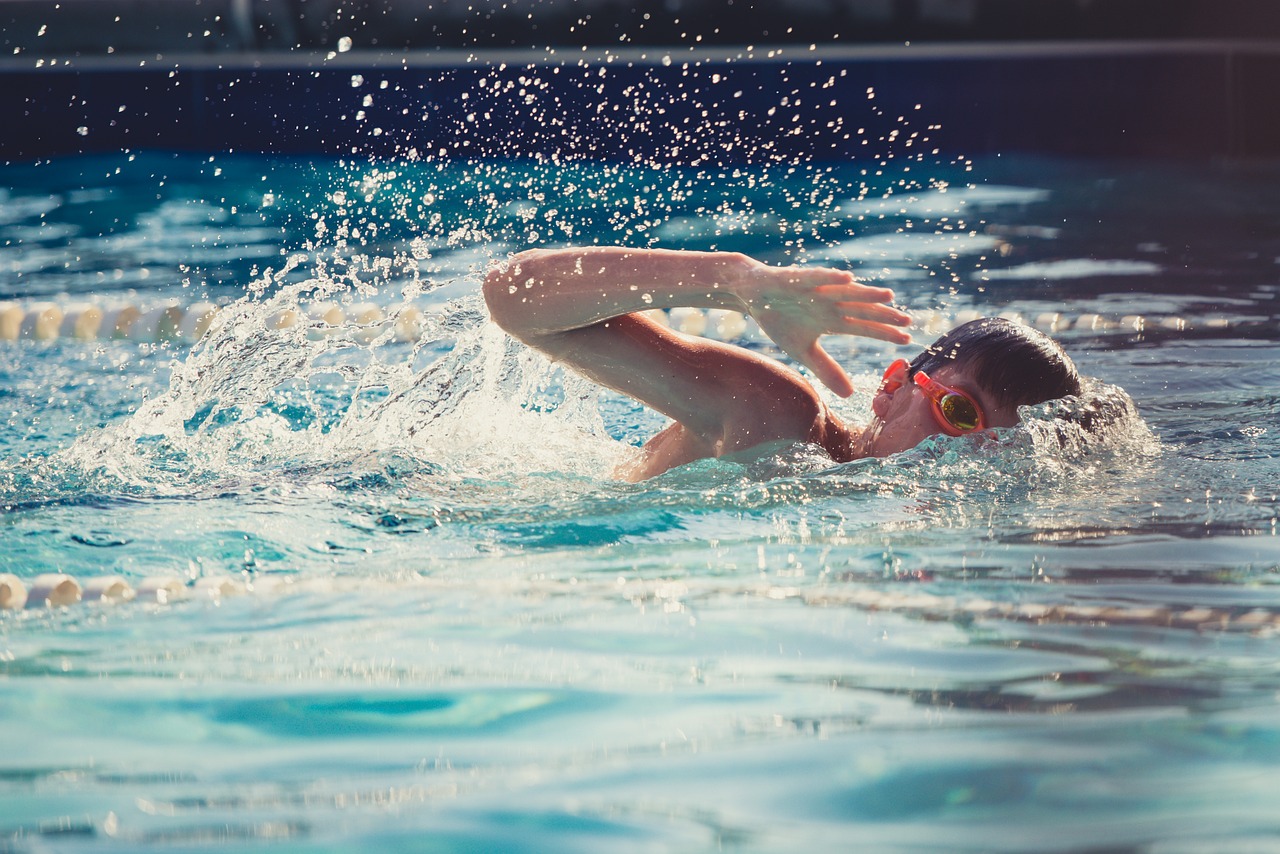
Swimming is one of the most effective and fun cardio exercises for youth. It provides a full-body workout, improving strength, endurance, flexibility, and coordination. Additionally, swimming is a low-impact exercise that reduces stress on joints, making it an ideal choice for growing bodies. Most importantly, it can be enjoyed in various settings, whether indoors or outdoors. Youth who engage in swimming often experience social benefits as they can participate in group lessons or team activities. This camaraderie fosters friendship while enhancing team spirit and discipline. Swimming promotes cardiovascular health by raising heart rates and improving blood circulation throughout the body. Regular swimming sessions can contribute to maintaining a healthy weight, which is essential during the formative years. Furthermore, watching kids become more confident in the water can be a rewarding experience for parents. They learn crucial water safety skills while enjoying the benefits of exercise. Whether they prefer freestyle, backstroke, or even diving, there are countless ways to keep swimming interesting. In doing so, kids will likely develop a love for this essential life skill while reaping the physical benefits, ensuring they remain active and healthy into adulthood.
Choosing Swimming as a Preferred Activity
Choosing swimming as a preferred activity over other sports can greatly benefit youth in various ways. Unlike many traditional exercise forms, swimming engages multiple muscle groups simultaneously, increasing overall fitness. Additionally, it is suitable for all fitness levels, whether a beginner or an experienced swimmer. Availability is another advantage as many schools, community centers, and gyms offer swim programs specifically targeted at youth. Enrolling in these programs can help kids stay active while learning proper techniques, ensuring a well-rounded fitness routine. The conditioning gained from swimming enhances lung capacity and promotes better breathing patterns. Furthermore, it helps develop strong core muscles, which contribute to better posture and stability. As youths grow, building these foundational skills is crucial for other physical activities. Mentoring and guidance from swim instructors can also improve self-discipline and focus. In outdoor environments, swimming connects youth with nature, promoting mental relaxation and emotional wellness. Given the numerous advantages, swimming stands out as a preferred choice among youth fitness activities. Parents should encourage their kids to participate in regular swimming sessions to unlock its immense benefits.
Developing Skills through Swimming
Throughout swimming classes, children can significantly develop their skills, ultimately leading to better physical condition and mental health. Pool exercises help with muscle toning, regardless of age, and encourage coordination and rhythm. Basic swimming strokes, such as freestyle, breaststroke, and backstroke, challenge children as they figure out their techniques. Training in a structured environment provides opportunities for coaches to guide their progress, ensuring a safer and more effective learning experience. Advanced skill development, such as flip turns and diving, adds levels of complexity, encouraging persistence and discipline. Completing a challenging workout fosters resilience, reinforcing the value of hard work. Moreover, swimming competitions can motivate children to excel in their techniques and personal bests. The excitement surrounding local swim meets can forge lasting friendships and teach the importance of sportsmanship. Additionally, parents often appreciate their children’s growing confidence in the water. Engaging in healthy competition does not hinge solely on other athletes; it inspires self-improvement. Kids learn to set goals and track their progress, teaching them valuable attributes that will extend beyond the pool into other areas of their lives. Always remember, the joy of swimming should reign supreme throughout their journeys.
Benefits of Swimming for Mental Health
Swimming is not only beneficial for physical fitness; it also plays a key role in enhancing mental health among youth. The rhythmic nature of swimming often induces a meditative state, helping kids clear their minds and improve focus. Engaging in regular swims can alleviate stress and anxiety levels, allowing them to navigate the complexities of adolescence more effectively. Moreover, the physical release of endorphins during swimming triggers feelings of happiness and confidence, which are essential aspects of mental well-being. Connecting with water can have therapeutic effects, providing a comforting and refreshing escape. This connection strengthens their emotional resilience, enabling them to cope with challenges effectively. Finally, kids who are part of swimming groups can develop meaningful friendships and connections. These relationships contribute to a supportive network that forms the foundation for a healthy emotional life. By providing swimmers with a sense of belonging and community, parents can help cultivate stronger self-esteem in their children. All these aspects combined make swimming not just a fun exercise, but also a crucial component of positive mental health for young people, ensuring they develop holistically throughout their formative years.
Family Bonding through Swimming Activities
Family bonding through swimming activities can create memorable experiences while enhancing relationships among family members. In many cases, families participate in pool outings or beach excursions that bring everyone together in a fun, relaxed atmosphere. These moments allow everyone the chance to enjoy active time together, promoting both physical fitness and shared happiness. Engaging in swimming games, such as relay races and water polo, involves friendly competition that fosters teamwork and camaraderie. Additionally, parents can pass down their water skills to their children while teaching sessions on swimming safety and technique. This shared learning experience strengthens trust and appreciation, nurturing the parent-child bond. Taking lessons together further enhances family dynamics, as everyone progresses along a unified path. Whether swimming laps or enjoying leisure time, the ability to connect during these activities helps maintain their family’s unity. The joy and laughter shared during these moments can create lasting memories that will be cherished for years. Encouraging family swimming outings provides an excellent opportunity to promote healthy lifestyles while enhancing relationships and communication among family members. Ultimately, fostering these connections can lead to stronger family bonds and countless positive memories.
Swimming: A Lifelong Skill
Swimming is not only an enjoyable activity for youth, but it is also a valuable lifelong skill that serves essential purposes. Learning to swim equips children with the safety knowledge required to navigate various water environments. Developing swimming skills early increases the likelihood that they will continue swimming well into adulthood, possibly pursuing fitness or recreational swimming as hobbies. Knowing how to swim enhances safety awareness during family vacations, adventures at the beach, or even participation in water sports. Starting fitness routines involving swimming encourages lifelong healthy habits that can combat obesity and overall physical inactivity. Swim training often reinforces discipline, focus, and commitment, qualities that benefit kids in school and in life. Additionally, as children progress in their skills, they can explore advanced swimming disciplines, unlocking further potential and opportunities for competition or coaching. Parents should recognize that swimming can also lead to scholarships, opening doors for higher education. Ultimately, equipping kids with swimming skills lays a foundation for healthy lifestyle choices and opportunities, ensuring they can enjoy fun-filled days in any aquatic setting, always prioritizing safety and wellness throughout their lives.
The Future of Youth Swimming Programs
The future of youth swimming programs looks promising as trends evolve and the demand for various options grows. With increased awareness of the benefits swimming offers, many communities are investing in new facilities, creating dedicated spaces for young swimmers. Customized programs that cater to specific age groups or interests, such as synchronized swimming or water polo, offer diversity in what children can explore. These developments empower communities to cultivate lifelong swimmers within their own populations, encouraging healthy habits and water safety. Furthermore, advancements in technology are making learning more accessible than ever. Online resources and interactive tutorials are becoming widely available, which can complement in-person coaching. This allows for blended learning experiences that can cater to visually-oriented learners. Many youths today are also influenced by social media and online communities that drive motivation to better themselves through swimming. The importance of water safety remains a focus that serves as an essential component of youth swimming initiatives. As parents recognize the significance of swimming, they will likely advocate for programs that emphasize both skill and health development. This commitment will shape the future of youth swimming programs, providing a solid foundation for generations to come.
Empowering Youth through Swimming Community
Empowering youth through the swimming community can have transformative effects on their lives. By being part of a supportive environment, children experience personal growth and develop essential life skills. The friendships formed through swimming encourage teamwork, respect, and persistence, valuable attributes beyond the pool. Additionally, engaging with local swim teams promotes a sense of belonging, which positively impacts their self-esteem. Coaches often act as mentors, guiding kids on their swimming journey and instilling crucial values that promote not only wellness but also character development. Swimming community events, such as fundraisers or awareness campaigns, provide additional opportunities for kids to give back and be involved in meaningful causes. As they participate in these activities, they cultivate social responsibility and empathy for others. Ultimately, connecting youth with their swimming community shapes their perspectives on collaboration and teamwork while fostering resilience and determination. This empowerment allows young swimmers to thrive, inspiring them to pursue their ambitions confidently. The ripple effect of such connections extends into their everyday lives, ultimately creating healthier individuals and stronger communities. Advocating for more swim programs tailored to youth will ensure that these experiences continue for future generations.