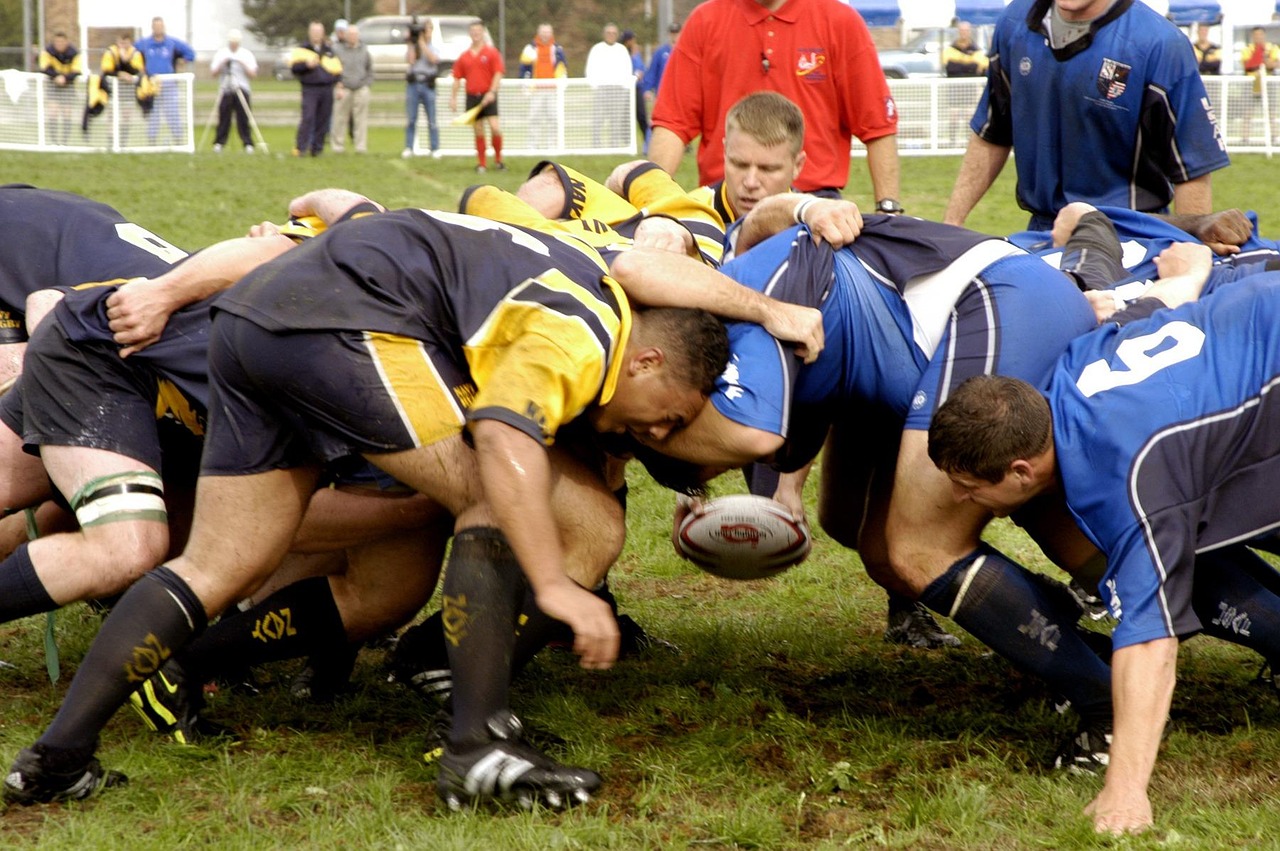

Understanding Offense and Defense in Beach Rugby
Beach rugby is a dynamic and exhilarating sport that combines the excitement of rugby with the unique challenges posed by playing on sand. Understanding the nuances of offense and defense in beach rugby is crucial for both players and coaches to excel in this fast-paced environment. Offense in beach rugby emphasizes rapid ball movement, quick decision-making, and effective communication among teammates. Players must be agile and versatile, able to adapt their techniques due to the soft surface that can impact stability and speed. Meanwhile, their positioning on the field should always consider the fluid motion of the game, ensuring they can support one another effectively. A successful offense strategy often involves exploiting the weaknesses of the opposing team’s defense. This means understanding formations, recognizing opportunities for breaks, and executing well-timed passes. Moreover, teamwork is paramount, as players must be in sync to create openings and capitalize on defensive lapses. Therefore, balancing individual skills with collective strategy is vital in leading to offensive success. Players should develop a keen awareness for reading both the game and the opponents to respond effectively during gameplay.
On the defensive side of beach rugby, understanding how to counter an opponent’s offensive moves is equally critical. The sandy surface requires defenders to maintain agility while staying grounded, making evasion and interception more challenging. Defenders must work cohesively to build strong formations that can adapt quickly to the offensive strategies employed by their opponents. Key to this adaptability is anticipating the plays being made—recognizing the offensive patterns and being ready to disrupt them. One effective defensive tactic is to create a ‘line’ where defenders can cut off the ball carrier’s path, which forces them into less advantageous positions. Communication among defenders is essential here, as well as having a shared understanding of each player’s strengths and weaknesses. Furthermore, effective tackling and marking techniques should be executed correctly to ensure the ball is contested. The combination of physical presence and strategic movement allows teams to apply pressure on their opponents and regain possession. By coordinating movements and establishing a fluid defense, teams can create opportunities for counter-attacks while maintaining a strong defensive stance.
Key Offensive Strategies
In developing offensive strategies for beach rugby, teams should prioritize speed and efficiency. One of the primary goals is to maintain ball possession while utilizing different formations that can confuse opposing defenses. Employing spread formations allows players to occupy the width of the field, making it difficult for defenders to cover all angles effectively. Quick offloads and passes between players help maintain momentum and create potential gaps in the defensive line. Effective use of misdirection can also catch defenders off-guard, thus opening up spaces for attacking players. It’s essential for players to develop quick decision-making skills to take advantage of fleeting opportunities. Working on individual skills like footwork and ball handling in sandy conditions is crucial for enhancing overall team performance. Players should also practice specific drills focusing on communication and support play, ensuring they work cohesively during matches. Additionally, incorporating rapid transitions from defense to offense can provide teams with the upper hand when regaining possession. By mastering these strategies, teams can enhance their scoring potential and effectiveness in beach rugby.
The importance of teamwork in both offense and defense cannot be overstated. Strong relationships among team members lead to improved communication and understanding, which are critical during fast-paced play situations. Teams that practice regularly together develop a sense of familiarity, which subsequently translates into smoother teamwork during matches. Coaches play a significant role in fostering this environment by implementing drills that consolidate teamwork and facilitate mutual strategies. Such drills can include small-sided games that emphasize interaction and collaboration, directly reflecting the dynamics players will face during actual competitions. Analyzing gameplay footage can also help teams identify areas that require improvement, whether in offensive strategies or defensive structures. Constructive feedback encourages players to enhance their skills while simultaneously strengthening their bond as a team. A unified team can better respond to the uncertainties of a match. Ultimately, the blend of trust, appreciation, and shared goals will define a team’s success in beach rugby, as performance relies on collective efforts, not just individual talent.
Skills Development for Beach Rugby
When focusing on skills development for beach rugby players, it’s important to encompass physical conditioning, technical abilities, and tactical understanding. The sandy surface demands superior physical fitness as players need to expend more energy and work harder to maintain speed and agility. Engaging in strength and conditioning workouts, alongside specific beach rugby drills, can improve overall performance levels. Technique-focused practices such as ball handling in sand can enhance players’ dexterity and control. Techniques involving sand-specific movements allow players to fully adapt to the playing surface while maximizing output. Importantly, strategic understanding must also be cultivated, so players grasp their role within the team both offensively and defensively. Analyzing match situations can help players recognize tactical errors and positivities, leading to more informed decision-making in future games. Coaches should also implement progressive challenges to continuously push players’ skill levels. By diversifying training regimes and incorporating competitive elements, teams can develop resilience and adaptability, crucial for success in beach rugby.
Another vital area of focus in beach rugby is injury prevention. The physical demands of the game on sand can expose players to various injuries, such as strains, sprains, and misalignment. To mitigate these risks, it’s essential for players to maintain appropriate warm-up routines before training and games. A proper warm-up should include stretching and mobility exercises that prepare the body for the rigors of competition. Additionally, cooldown activities post-match can help prevent muscle soreness and facilitate recovery. Nutrition also plays a crucial role in injury prevention, as players need to ensure they are duly replenished with water and nutrients. Adequate hydration contributes to optimal performance and prevents fatigue, thereby reducing chances of injuries occurring. Coaches and players must be vigilant about recognizing early signs of fatigue or discomfort. Implementing recovery strategies, such as rest days and physiotherapy, are also important in fostering player longevity in the sport. By prioritizing injury prevention, teams can maintain a healthier lineup, ultimately increasing their chances of success in beach rugby tournaments.
Conclusion: The Future of Beach Rugby
As the popularity of beach rugby continues to grow, there is an increasing need for players to understand the intricate balance between offense and defense. The impact of training, teamwork, and tactical awareness shapes the landscape of the game. With the emergence of various training methodologies and fitness programs tailored to the unique conditions of beach rugby, players are equipped with the tools to excel. Furthermore, the role of technology in analyzing performance and gathering data on player movements opens new avenues for improvement. Keeping abreast of trends in the sport will enhance teams’ competitive edges. The future of beach rugby lies in adaptability and innovation, as teams must respond to the evolving standards of play. Coaches and players alike will need to continuously evaluate their strategies and skills to remain a formidable presence on the beach rugby circuit. With enthusiasm for the sport and dedication to developing their capabilities, there’s no limit to what teams can achieve in the thrilling arena of beach rugby.