
Wetsuit Etiquette: What Every Triathlete Should Know at Training and Races
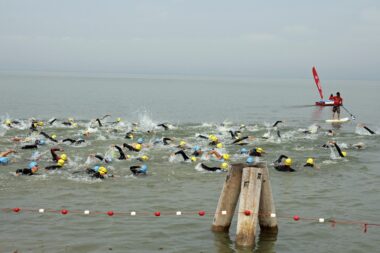
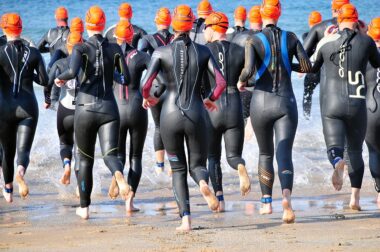
Triathletes must understand the importance of wetsuit etiquette during competitions and training sessions. Proper wetsuit handling can enhance performance and create a more enjoyable atmosphere for everyone involved. Before entering the water, ensure that you have your wetsuit zipped and ready. Avoid requiring assistance from others, as this can cause delays and frustration. Familiarize yourself with the rules and guidelines from your race organization regarding wetsuits. Each event may have specific requirements or temperature thresholds that dictate when wetsuits are allowed. Furthermore, be mindful of your personal space during the swim start. Triathlons often have a mass start, which can become chaotic. Utilize your pacing to avoid overcrowding while still aiming for a good position. During the swim, if you feel uncomfortable or overwhelmed, it is acceptable to pause or swim towards the outer edges of the course. Adjusting your strategy can clarify your thoughts while improving your swim experience. After exiting the water, be sure to remove your wetsuit in an open space, keeping in mind the event’s protocols, and allow fellow competitors ample room to do the same.
One crucial aspect of wetsuit etiquette is ensuring that your wetsuit is both functional and well-maintained. Before race day, check your suit for any damages such as tears or holes. A damaged wetsuit not only affects your performance but can also lead to safety concerns. Invest time in performing regular checks and routine maintenance to prolong the lifespan of your wetsuit. After each use, rinse your wetsuit with fresh water to remove salt and chlorine, which can contribute to material breakdown. Hang it to dry away from direct sunlight to prevent the neoprene from degrading. During group swims or training sessions, be cautious of the proximity to other swimmers. Kicking or creating waves can disrupt the rhythm of surrounding athletes. If you need to reposition yourself, do so with awareness of others. Communicate effectively; a simple signal can alert fellow swimmers of your desire to merge or overtake their position. At the conclusion of training or a race, respect the exit area by not clogging it with extended conversations. Move quickly to change and remove wetsuits to provide room for incoming athletes.
Respecting Others During Training
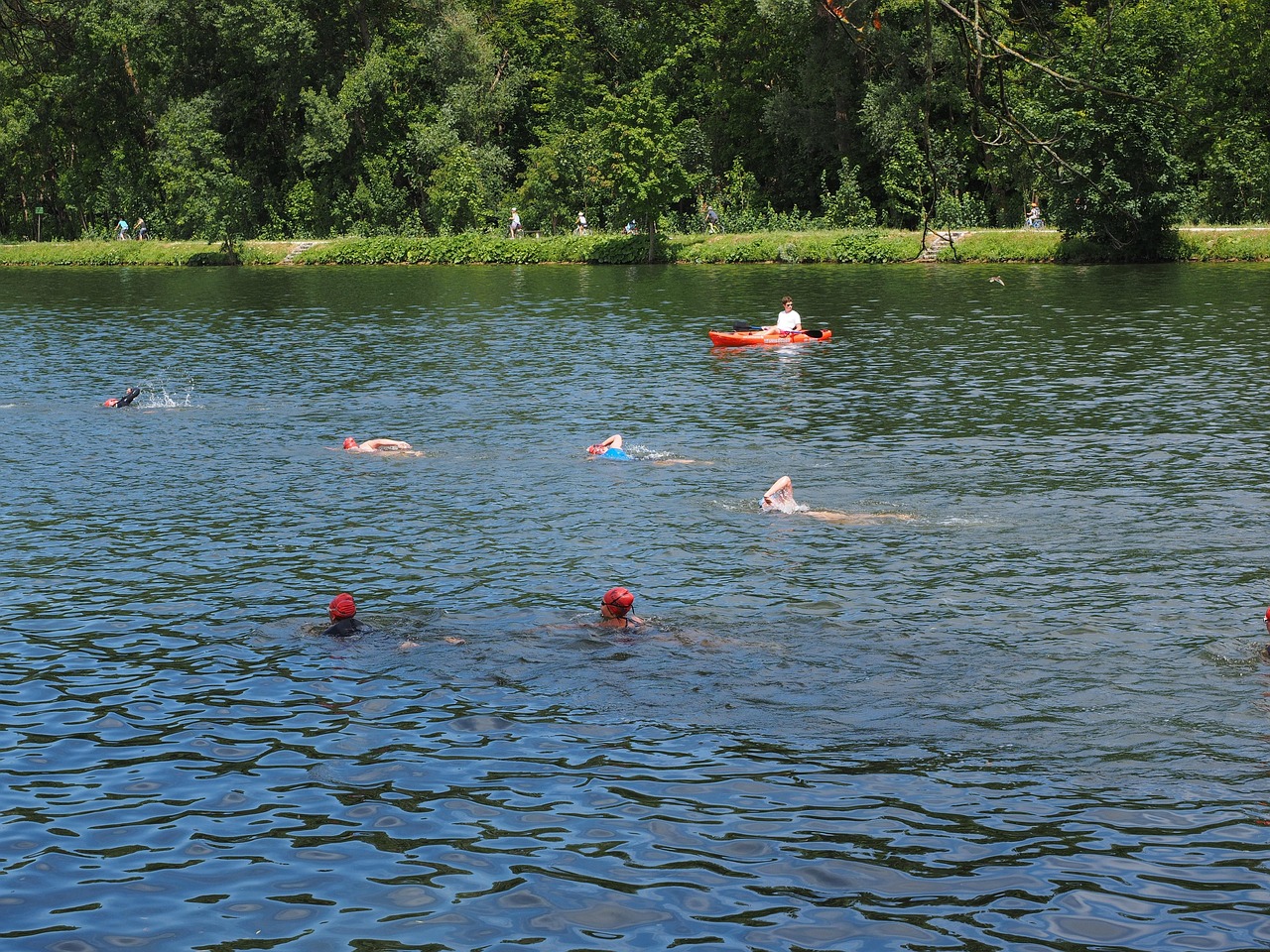
Training with others can be an enjoyable experience, but it requires discipline and respect. When participating in a group swim, ensure you establish clear lanes or areas so everyone has their space. It is necessary to communicate your pacing and abilities with other participants to avoid any misunderstandings. If swimming in an open water scenario, form smaller groups that match similar skill levels to enhance training efficiency. Don’t forget to periodically check in with your training partners about how they feel and if they are comfortable in the given conditions. Building a good rapport and fostering support within your group sets a positive example of wetsuit etiquette. It’s also essential to remain aware of the environment. Look out for hazards such as rocks, boat traffic, or other swimmers. Maintain an open dialogue if issues arise or if someone is struggling. Offer assistance whenever possible. This kindness creates an encouraging training experience and can significantly impact performance during races. Ultimately, being considerate of others adds to the overall harmony of sport while enhancing personal relationships with fellow athletes.
Furthermore, familiarize yourself with the ethical considerations regarding wetsuit usage in open water competitions. Respect the perspective of those choosing not to wear wetsuits, as they may gain advantages in cooler temperatures. Acknowledging the diverse preferences surrounding race-day gear demonstrates sportsmanship and maturity. When transitioning from the swim phase to the cycling segment, practice quickly removing your wetsuit at home. This preparation is essential to refine efficiency as you move onto the bike. Train your fingers to work on zippers rapidly; practice helps alleviate any pre-race anxiety and empowers you on race day. During transitions, avoid stepping on your wetsuit while trying to kick it off — this not only delays you but can be a tripping hazard. Rather, refocus your efforts on the next athletic discipline with energy and enthusiasm. Remembering the excitement and vitality of competition helps balance nerves and facilitates a better performance overall. Also, fellow competitors appreciate someone who adheres to these practices. Maintain friendliness and sportsmanship toward all participants from start to finish, as it creates an uplifting atmosphere.
Transition Areas and Etiquette
During triathlons, transition zones are vital areas where athletes shift from one discipline to another. It is crucial to approach these zones with respect and adherence to established guidelines. Ensure that your gear is neatly organized, allowing efficient transitions while avoiding clutter. If you overtake someone in transition, practice courtesy and notify them of your presence. This simple act helps prevent collisions or unexpected obstacles while navigating through the area. Additionally, be specific about your designated area—label your gear with bright, easy-to-read markers. Having identifiable personal items helps maintain order in busy transition zones. Utilize a rubber mat or towel when changing from your wetsuit to dry clothing and gear, maximizing comfort while minimizing grass or dirt clinging to your skin. Remember that transitional spaces can be frenetic, so remain patient. A calm demeanor can enhance your experience as well as that of fellow athletes. After you finish the race, thank volunteers helping out in the transition areas. Their invaluable assistance plays a critical role in making triathlons run smoothly, and showing appreciation fosters camaraderie and respect.
After completing your race, always maintain a professional demeanor, irrespective of your finishing time. Wetsuit etiquette emphasizes treating fellow competitors with kindness, even if you experienced difficulties. Congratulating others fosters a strong community atmosphere. Moreover, engaging in friendly discussions about performances or experiences can be beneficial. Sharing tips and techniques is vital for improvement throughout the sport while promoting a healthy culture. As you engage with your peers, show interest in their training approaches and competition experiences. Explore what practices work for different individuals and adapt their insights into your activities. This collaborative mindset can lead to personal growth and inform your understanding of wetsuit etiquette. As triathletes consistently learn from others, it enriches your journey, making the sport more rewarding. Consider participating in forums or local clubs to connect with a broader range of athletes. These connections can introduce you to new techniques for improving swim efficiency with wetsuits. Keep an open mind, and don’t hesitate to share your experiences, allowing personal exchanges to enrich your triathlon path. Ultimately, your willingness to learn from others and share knowledge shapes the sport and the community around it.
Conclusion
In conclusion, understanding wetsuit etiquette is essential for triathletes, whether they are training or competing. Connecting with fellow athletes, maintaining respect within transition areas, and communicating effectively during swims significantly enhance the experience for all involved. Prioritize guidelines, including being aware of gear care, swim protocols, and working collaboratively with training partners. By practicing good etiquette, you not only set a positive example for newcomers but cultivate an inclusive environment where everyone thrives. Ensure that while progressing in your triathlon journey, you value the essence of sportsmanship and camaraderie. Sharing knowledge and experiences fortifies the bonds within the triathlon community, providing all participants with a more fulfilling experience. An atmosphere of mutual support leads to enhanced confidence for both beginners and seasoned athletes, ensuring that every swim, bike, and run is met with enthusiasm. Prioritize these ethical practices, allowing your dedication and commitment to truly shine through. As you embark on your future races, utilize these etiquette tips as a framework that bolsters your performance while fostering a sense of unity. Remember that triathlons, while competitive, are also celebrations of togetherness and shared experiences.