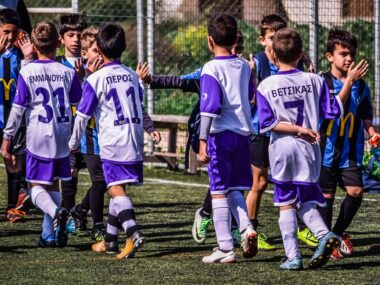

Monitoring and Evaluating Fair Play in Team Sports Competitions
Fair play in team sports is essential for maintaining integrity and promoting sportsmanship. To effectively monitor fair play, various methods and strategies are needed. These strategies often incorporate ethical guidelines, rules enforcement, and educational programs for both players and coaches. Moreover, the role of referees is crucial in ensuring adherence to the principles of fair play. Referees must be trained to recognize not only foul play but also acts of fairness and sportsmanship. Evaluating the effectiveness of these measures involves collecting data on incidents of unsportsmanlike behavior versus commendable conduct. Reports can then be generated, illustrating trends and areas where improvement is necessary. Engaging teams in discussions about fair play creates an environment where ethical behavior is encouraged and expected. Furthermore, it’s important to involve parents and spectators in learning about fair play principles. Their attitudes and behaviors significantly influence the atmosphere surrounding sports events. Overall, by prioritizing education and open discussions, we can foster a culture of respect and integrity. In conclusion, monitoring and evaluating fair play is an ongoing effort that requires commitment from all stakeholders involved in team sports.
One effective approach to monitor fair play is through the implementation of clear and comprehensive guidelines. These guidelines should outline the expectations for players, coaches, officials, and spectators alike. Establishing a code of conduct allows everyone involved to understand the importance of fair play. In addition, regular training sessions for players and coaches can help reinforce these guidelines. Workshops focused on the significance of sportsmanship in competitions may also be beneficial. To ensure accountability, penalties for violations of these guidelines should be clearly outlined and enforced. Effective communication with coaches about their responsibilities in promoting fair play fosters a greater understanding of their role. Additionally, sports organizations should provide resources, such as manuals or online courses, to further educate stakeholders about fair play. Monitoring systems can then be created, such as observation during games, surveys of coaches and players, and feedback sessions post-competition. Implementing these strategies allows organizations to identify problematic patterns and address them proactively. Ultimately, creating a supportive environment is essential, where fair play is recognized, rewarded, and upheld by everyone within the sporting community.
Evaluating Team Culture and Fair Play
Evaluating team culture in relation to fair play is vital for understanding the underlying dynamics that influence behavior. A positive team culture promotes values such as respect, teamwork, and ethical competition. Surveys and interviews with players, coaches, and parents can provide insight into the existing culture in a team environment. The findings can highlight the effectiveness of existing programs and identify areas for improvement. Cultivating an inclusivity mindset enhances the experience for all participants. Regular check-ins and open discussions about team values help ensure that the culture remains healthy. Involving all members in the evaluation process encourages buy-in and reinforces the importance of fair play. External evaluations, such as assessments from sports psychologists or professional observers, can also lend objectivity to the evaluation process. Furthermore, tracking performance metrics alongside fair play indicators can lead to a more comprehensive understanding of how success is achieved both on and off the field. Recognition of teams that exemplify fair play should be communicated publicly, serving as role models within the community. This not only promotes fair play but also elevates the standards of behavior expected of all teams.
Utilizing technology can significantly aid in monitoring fair play in team sports. Video analysis systems offer opportunities to review game footage, enabling coaches and referees to assess player conduct. These systems can highlight instances of both good sportsmanship and unsportsmanlike actions during matches. By facilitating discussions based on tangible evidence, coaches can address specific behaviors with their teams. Moreover, performance analytics software can track player participation and behavior, providing statistics on sportsmanship incidents. Integrating technology in the evaluation process empowers organizations to make data-driven decisions regarding player and coach development. Social media can also play a role by creating an open platform for discussions surrounding fair play. Encouraging teams to share their stories and commitments to fair play through social media enhances community engagement. Additionally, collaboration with tech companies can lead to the development of mobile applications that promote fair play. These apps can include features like reporting systems and educational resources. Overall, the use of technology provides innovative ways to monitor, evaluate, and promote fair play, creating a more dynamic sporting environment.
Community Engagement and Fair Play
Community engagement is a powerful tool in fostering a culture of fair play within team sports. By rallying local organizations, teams, and schools, a supportive network can be created that emphasizes collaboration and ethical behavior. Community-driven events, such as workshops, forums, and training sessions, can bring all stakeholders together. These events promote dialogue surrounding the significance of fair play and mutual respect in sports settings. Furthermore, forming partnerships with local businesses can provide resources and sponsorships for events aimed at promoting fair play values. Establishing a community fair play committee can serve as a platform for ongoing dialogue, feedback, and reinforcement of fair play principles. Involving former athletes and community leaders can serve as role models and further motivate younger players. Campaigns that celebrate positive actions within sports teams will encourage others to adopt similar behaviors. Disseminating fair play materials through local schools and community centers raises awareness. Inspirational stories and examples of good sportsmanship can be highlighted in newsletters or social media platforms. Ultimately, engaging the whole community ensures that fair play values are rooted deeply into the culture of team sports.
Feedback mechanisms are essential for the continuous development of fair play initiatives within teams. Creating a formal process for players and coaches to provide feedback on their experiences will help organizations improve their methods. Anonymous surveys can empower individuals to express their thoughts without fear of repercussions. Evaluating outcomes associated with fair play programs can reveal successes and areas needing adjustments. Additionally, establishing regular check-in meetings with team captains and coaches can provide insights into ongoing challenges and progress. Peer-to-peer feedback among players can also foster accountability and encourage teamwork. Recognizing and rewarding instances of fair play promotes a culture where these behaviors are celebrated. Allocating time before and after practices to discuss fair play encourages players to reflect on their actions. Each team should aim to develop specific goals regarding fair play conduct for the season, providing a benchmark against which to measure progress. Sharing these goals with the wider community invites participation and buy-in. Ultimately, a strong feedback loop enhances the effectiveness of fair play initiatives and emphasizes the importance of continuous improvement in this essential area of team sports.
Conclusion: The Future of Fair Play in Team Sports
As sports evolve, monitoring and evaluating fair play in team sports will become increasingly vital. Embracing innovative approaches will facilitate the development of lasting fair play cultures. By fostering environments that prioritize ethics, respect, and collaboration, organizations can set new standards and expectations for future generations of athletes. Advocacy for fair play must extend beyond operational considerations and become ingrained in the very fabric of sports culture. The integration of educational programs, stakeholder engagement, and feedback mechanisms will serve as cornerstones in this endeavor. Furthermore, community involvement strengthens the movement towards fair play and creates champions of ethical conduct. Players, coaches, parents, and fans must collectively accept the responsibility to uphold these principles. By harnessing technology and community resources, we can create a brighter sporting future where fair play thrives. Continuous evaluation allows organizations to remain self-aware and adaptive, ensuring that the core values of fair play resonate throughout every interaction within team sports. In conclusion, the journey towards enhanced fair play requires commitment, collaboration, and courage from all participants in the sporting community, ultimately shaping a more just and enjoyable sports experience.
Thus, the commitment to monitoring and evaluating fair play not only influences the environment of team sports but reshapes the attitudes of everyone involved. Understanding the significance of fair play and its benefits creates a ripple effect that extends beyond the field. It’s essential that teams position themselves as advocates for fair play, inspiring their communities and enriching the experience for all participants. The conscientious implementation of monitoring strategies will incentivize both players and coaches to strive for excellence in sportsmanship. By acknowledging commendable behaviors and addressing inappropriate conduct, teams can create a balancing act that reinforces positive play while educating everyone about expectations. Coaches are encouraged to model the behaviors they wish to see, understanding their critical influence on young athletes. The comprehensive approach to fair play, involving evaluation systems, community collaboration, and technology, ensures that initiatives remain effective and relevant. Thus, making the commitment toward fair play remains not just an ethical obligation but a responsibility embraced by all involved in sports. Moving forward, organizations are charged with building bridges between competition and camaraderie, raising the standard of what it means to play fair.