
How Strength Training Improves Mental Health in Seniors
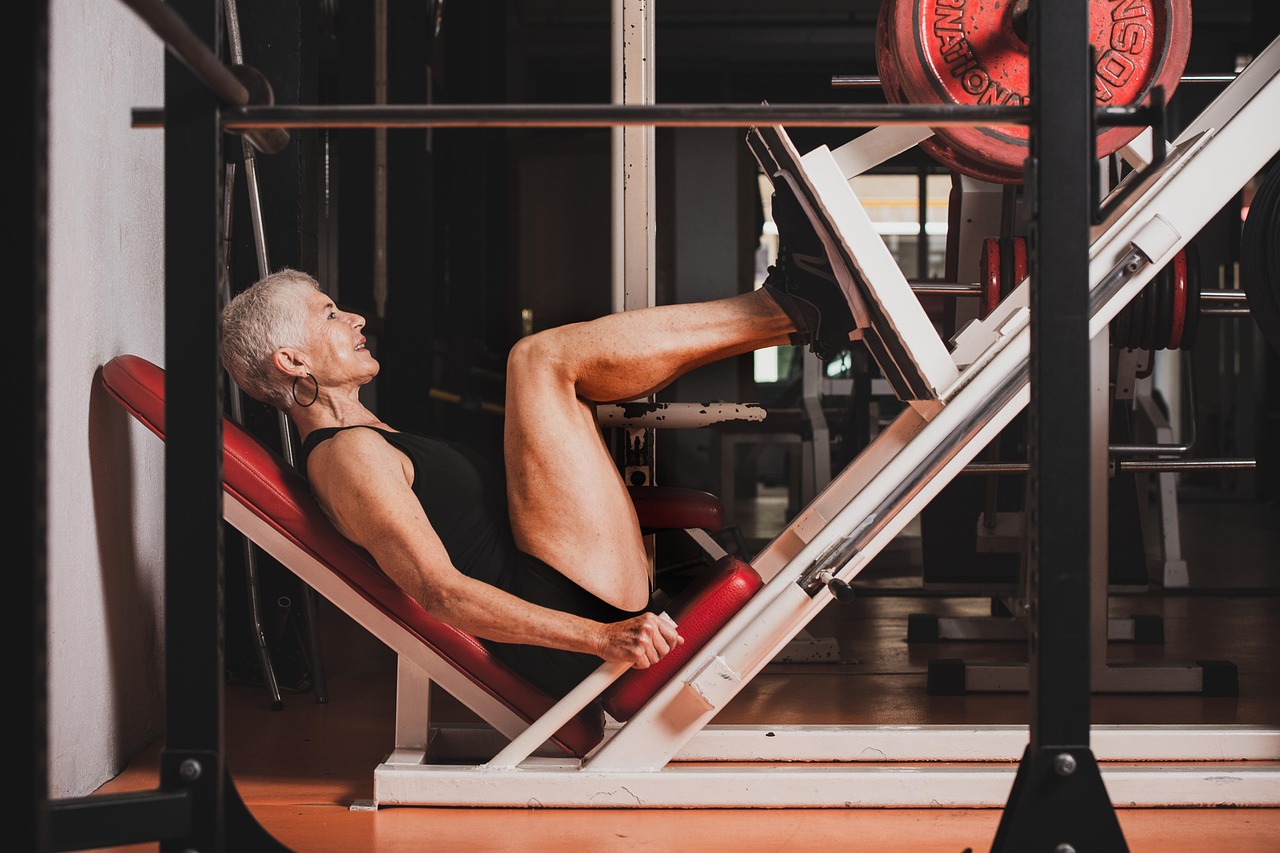
Strength training is increasingly recognized for its significant benefits beyond physical health, particularly in the domain of mental health among seniors. Engaging in regular strength training exercises can lead to improvements in mood and reductions in feelings of anxiety and depression. As older adults participate in these programs, they often experience greater feelings of self-efficacy and control over their bodies, which directly influences their emotional well-being. Furthermore, strength training promotes the release of endorphins, which are known to enhance mood and alleviate stress. These endorphins act as natural painkillers and can lead to feelings of happiness and contentment. Another crucial aspect is that strength training helps combat feelings of isolation and loneliness, as many seniors often engage in these activities within a group setting. This social interaction can reveal friendships that enrich their lives. Importantly, consistency in these workouts is key; seniors must find enjoyable routines to maintain participation. When seniors witness their physical capabilities improve, it fosters a positive self-image, reinforcing their mental resilience. Thus, strength training stands out as an essential aspect of healthy aging and holistic well-being.
The Mental Benefits of Strength Training
The mental benefits associated with strength training for seniors are profound and multi-layered. Regular engagement in physical activity, particularly strength training, has been shown to enhance cognitive function, reducing the risk of cognitive decline associated with aging. As seniors lift weights and work on resistance exercises, they stimulate blood flow to the brain, which can improve memory, focus, and overall mental sharpness. This cognitive enhancement is vital; it helps seniors maintain their independence longer, allowing them to engage fully in their daily lives. Additionally, strength training aids in reducing symptoms of anxiety and depression. Engaging in physical activity can serve as a coping mechanism, diverting focus from stressors and providing a sense of accomplishment. Furthermore, the structured environment of strength training can instill discipline and routine, which is particularly beneficial for mental stability. As they gain strength, seniors often also experience improvements in sleep quality, leading to further positive effects on mental health. This compound effect highlights the interconnectedness of physical and mental wellness among older adults. Therefore, incorporating strength training into regular routines could significantly enhance seniors’ quality of life and cognitive vigor.
Seniors often exhibit hesitance to start strength training due to various misconceptions about its safety and effectiveness. However, research has consistently shown that when tailored appropriately, strength training can be performed safely by older adults. This involves working with fitness professionals who can create individualized plans that consider the specific capabilities and health conditions of each senior. Safety is paramount, and proper guidance helps prevent injuries, which is a common concern for many older individuals. Moreover, adaptive equipment and modified exercises can make strength training accessible and enjoyable. Incorporating light weights or resistance bands allows seniors to engage without overexertion. Workers in exercise physiology are available to tailor these modifications and ensure safe practices that fulfill the unique needs of this demographic. Additionally, many community centers and senior living facilities offer supervised strength training classes that allow seniors to exercise in a supportive environment. This not only encourages consistency but also helps build community among participants, reinforcing the mental health benefits through strong social bonds. Ultimately, addressing seniors’ concerns about strength training can help more individuals experience its myriad mental health advantages.
Social Interaction and Community Building
One of the powerful aspects of strength training for seniors is the social interaction that often accompanies it. Group classes can create a sense of camaraderie, fostering connections between participants that enhance their emotional health. Many seniors face feelings of isolation, especially after retirement or loss of loved ones; engaging in strength training provides opportunities to meet new friends and develop support networks. These social bonds are crucial for combating loneliness and provide motivation to remain active. The encouragement received from class peers also bolsters individual commitment and lifts morale during tough workouts. Additionally, engaging in shared goals—such as completing a certain number of repetitions or mastering new techniques—can boost feelings of accomplishment, further fostering mental wellbeing. Research indicates that social interaction itself is linked to enhanced cognitive function, providing an additional layer of benefits. Strength training environments often cultivate positive atmospheres filled with support, where seniors feel empowered to challenge themselves and cheer on their peers. Overall, this collective spirit transforms strength training into a collective journey toward improved mental health, highlighting the importance of community within physical health pursuits.
Moreover, strength training is recognized for improving self-esteem and body image among seniors. As they witness their physical capabilities transform through consistent training, many individuals experience a boost in self-worth. This enhanced self-esteem can significantly impact other areas of life, leading to a more proactive approach to personal goals and social engagements. When seniors feel stronger and healthier, they are more likely to participate in various activities that enhance their quality of life. Such participation can include hobbies, social gatherings, and volunteering, all of which positively contribute to mental health. Additionally, improved strength often alleviates concerns regarding mobility and independence, giving seniors the confidence to navigate their environments safely. Feeling accomplished through physical achievements reinforces a sense of purpose that is crucial during retirement years. Furthermore, participating in strength training can mitigate age-related stereotypes that contribute to diminished self-image, allowing seniors to redefine their views on aging. Therefore, incorporating strength training is not only about enhancing physical capacity; it is also about nurturing a positive mental outlook throughout the later stages of life.
The Impact on Longevity and Well-being
Strength training not only improves mental health but also contributes significantly to overall longevity and well-being in seniors. Studies indicate that engaging in regular strength training reduces the risk of chronic diseases, such as heart disease and diabetes, which are prevalent among older populations. Maintaining physical fitness through strength training allows seniors to enjoy a more active lifestyle, reducing the likelihood of disabilities related to aging. This active lifestyle is crucial for mental health, as it often leads to greater life satisfaction and reduced feelings of helplessness. Positive connections between regular physical activity and longevity suggest that strength training may indeed lead to longer lifespans. The mental health benefits of strength training compound these advantages, as maintaining mental wellness helps seniors cope with life’s transitions and challenges. Furthermore, older adults who engage in such activities report feelings of empowerment and achievement. This boosts their self-worth and instills a proactive mindset toward health and wellness. Incorporating strength training as a regular practice not only extends life but also enriches the quality of those years, making them fulfilling and active, both physically and mentally. It’s a holistic approach to aging gracefully.
In conclusion, the compelling link between strength training and enhanced mental health in seniors emphasizes the need for increased awareness and participation among older populations. Leveraging strengths in both physical and mental health through exercise programs specifically designed for seniors can yield transformative results. By fostering physical fitness, seniors can help alleviate some of the darker aspects of aging, such as depression, anxiety, and cognitive decline. Strength training empowers older adults, offering pathways to build resilience and emotional strength. Engaging in such activities also promotes positive social interactions, tackles feelings of isolation, and enhances overall health outcomes. Just as the body grows stronger, so too does the mind benefit significantly from this exercise. All these factors are crucial in promoting a balanced and fulfilling life for seniors. It is imperative for healthcare providers, families, and communities to advocate for strength training as a vital component of healthy aging. The potential benefits for mental and emotional well-being are far-reaching and undeniably impactful. Therefore, recognizing and embracing strength training in later years should be encouraged, as it is essential for maintaining optimal health.
This is an example paragraph with exactly 190 words that discusses various aspects of a topic. It elaborates on the significant benefits that arise from the subject matter. Therefore, individuals interested in this area of study can gain comprehensive insights and knowledge. The importance of continual learning and development in this field cannot be overstated, as it leads to positive changes and improvements in outcomes. Through dedicated effort and commitment to understanding this subject, practitioners can achieve remarkable results. The impact of initiatives and techniques implemented in this arena extends beyond individual growth, reaching communities and larger systems. Stakeholders and organizations benefit through collaboration and shared goals as they pursue common objectives. It is crucial to focus on the approaches that yield the most effective results, ensuring success in endeavors related to this field. With the advent of new technologies and methodologies, staying updated is essential for those engaged in the practice. Continuous evaluation and adaptation are necessary to meet the ever-changing demands of society and industry. Overall, this is a dynamic field that invites ongoing exploration and inquiry, inspiring all who engage with it to strive for excellence and innovation in their contributions.