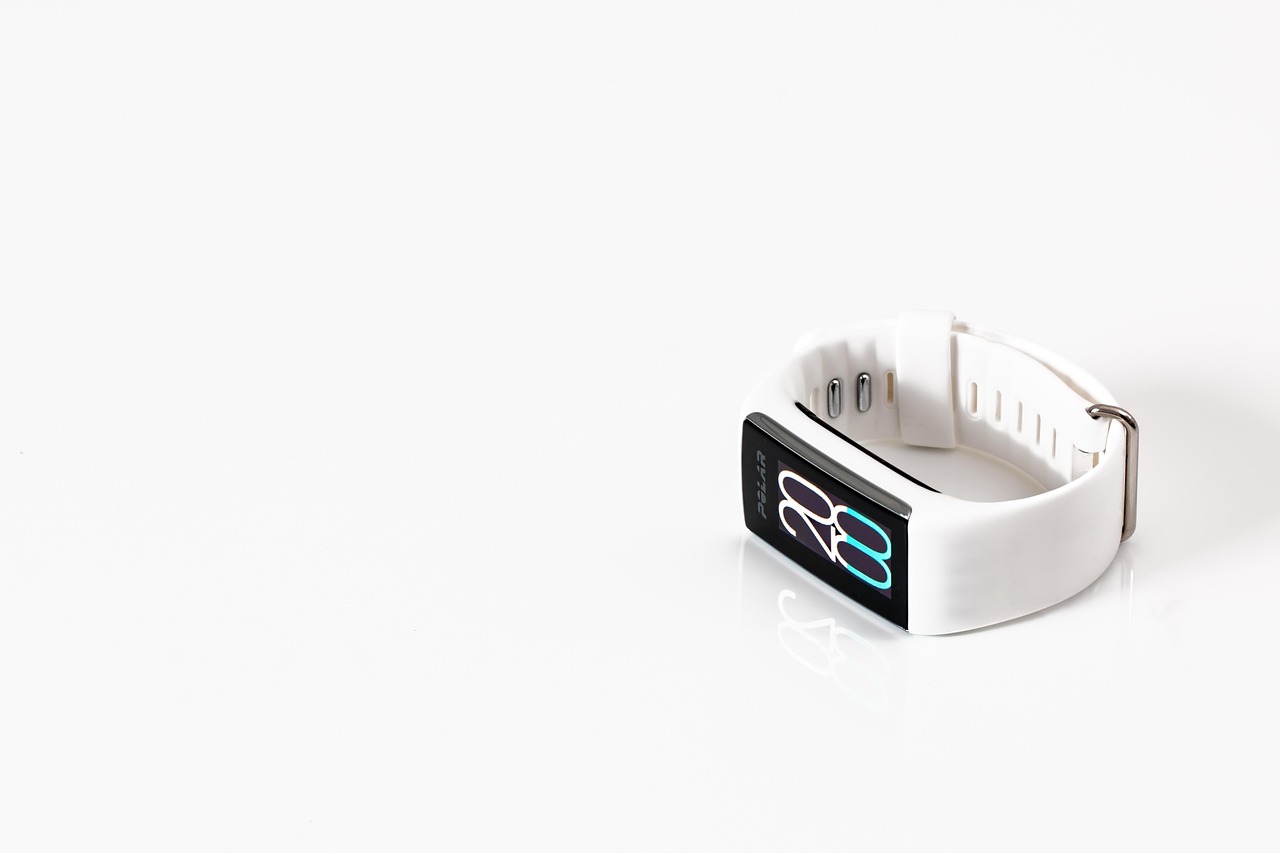

The Environmental Impact of Manufacturing Wearable Heart Rate Devices
The increasing popularity of wearable heart rate monitors underscores the need to assess their environmental impact. Manufacturing processes for these devices inherently involve numerous resource-intensive steps, including sourcing materials, fabrication, and assembly. Essential minerals required for the devices often come from ecologically sensitive areas that bear the brunt of extraction processes, resulting in deforestation, habitat destruction, and water pollution. Furthermore, the demand for electronics continues to surge, pressuring producers to innovate while minimizing environmental costs. Here, understanding the lifecycle of materials is crucial to build sustainability into manufacturing practices. Various elements such as lithium for batteries and rare earth metals contribute significantly to electronic waste and pollution. Thus, proper regulations and responsibility during sourcing can help mitigate adverse environmental effects. Comprehensive monitoring of all stages—material extraction, production, distribution, and disposal—is necessary to identify better practices. Consumers should also be educated about the sustainability of their devices, necessitating transparency through eco-labeling. These factors combined indicate a shared responsibility among manufacturers, consumers, and governments to address and enhance the sustainability of wearable tech.
As the field of fitness technology advances, manufacturers of wearable heart rate monitors encounter the challenge of maintaining production efficiency while reducing carbon footprints. Innovative approaches include circular economy principles, which emphasize resource recovery and recycling of materials. This method can help maintain the necessary materials without draining the earth’s finite resources. Many companies are designing products for easier disassembly so that components can be reused or recycled efficiently. For instance, employing modular designs allows for straightforward upgrades without discarding entire devices. This shift not only promotes sustainability but also fosters consumer loyalty by allowing easy device longevity. Integrating renewable energy and green production methods can also mitigate environmental harm. Some manufacturers now invest in solar-powered facilities and eco-friendly packaging materials to lessen their overall carbon footprint. Innovations in technology pave the way for improvements, as companies explore less hazardous materials while maintaining performance efficacy. As consumers increasingly inquire about sustainability, the expectations for eco-friendly practices will continue to grow. Thus, industry adaptation is essential for success in the evolving marketplace, aligning production with consumer values and environmental needs.
Life Cycle Assessment in Wearable Devices
The life cycle assessment (LCA) framework applies to wearable heart rate monitors and serves as a useful tool for evaluating environmental impacts. LCA assesses the complete product journey from raw material extraction through manufacturing and packaging to use and disposal. A thorough impact analysis allows manufacturers to pinpoint stages of production contributing most significantly to environmental degradation. For example, emissions released during the manufacturing phase may be higher than expected, necessitating interventions. Conducting LCAs facilitates awareness and allows companies to strategize towards more sustainable practices. Additionally, stakeholder engagement can help identify key areas for improvement through shared information. As consumer awareness concerning environmental issues grows, brands that incorporate LCA into their processes enhance their marketability. Transparent communication regarding environmental efforts and their outcomes helps gain consumer trust and loyalty, vital in today’s eco-conscious marketplace. Brands can differentiate themselves through their commitment to reducing their carbon footprint, which increasingly influences purchasing decisions. Therefore, manufacturers must actively utilize LCA as a benchmark for sustainably redefining their design, manufacturing, and distribution processes while optimizing overall efficiency in their operations.
One significant environmental factor concerning wearables is the energy consumption associated with their usage. Heart rate monitors require power, and while advances have reduced energy needs, it remains essential to consider battery life and disposal. Extended battery life reduces the frequency of replacements, which can yield both economic and ecological benefits. Nevertheless, improper disposal of lithium-ion batteries can lead to soil and water pollution. Proper recycling channels are vital for mitigating potential adverse effects, and manufacturers must educate consumers about responsible disposal practices. Consumers also play a pivotal role by ensuring proper disposal and recycling of their devices. Initiatives like battery recycling programs offer convenient solutions for consumers. Devices designed with greater energy efficiency can significantly reduce the overall environmental impact. Research to invent ultra-efficient batteries or sustainable alternatives is gaining traction in the industry. Companies are exploring biodegradable options to minimize electronic waste. This focus on research and development ensures that the wearables market continues evolving sustainably, contributing to a healthier environment. By prioritizing responsibility, both consumers and manufacturers can minimize the adverse impact on ecosystems while enjoying the benefits of technological advancement.
Utilizing Sustainable Materials in Manufacturing
Replacing traditional materials with sustainable alternatives has become an important consideration for manufacturers of wearable heart rate devices. Biodegradable plastics, recycled metals, and eco-friendly fabrics are now being introduced to create greener products. Key stakeholders are increasingly aware of the environmental implications of materials used in smart wearables. Therefore, opting for sustainably sourced materials can significantly lower overall product footprints while promoting brand reputation. Companies focus on material transparency to showcase eco-conscious decisions to consumers. A growing number of brands now disclose their material sourcing and production methodology, offering greater visibility into their processes. This shift fosters consumer trust and encourages purchasing decisions by aligning with environmentally responsible practices. Manufacturers who prioritize sustainability will likely enhance their brand’s competitive edge in the marketplace. Innovation in material science continues to expand possibilities for developing heart rate monitors. By investing in R&D, companies can explore alternatives that offer beneficial properties while being gentler on the planet. These advancements not only enhance performance but also create an awareness of environmental responsibility among consumers. This alignment between ethical sourcing and consumer expectations is crucial for establishing long-term brand sustainability.
The environmental impact of transportation logistics cannot be overlooked in the manufacturing of wearable heart rate monitors. From shipping materials to delivering final products, transportation contributes to greenhouse gas emissions and other pollutants. Manufacturers can implement several strategies to optimize their supply chains, such as minimizing transportation distances and consolidating shipping loads. Local sourcing of components reduces shipping emissions while supporting local economies. Additionally, employing electric vehicles for distribution can further reduce carbon footprints. Companies can consider adopting eco-friendly logistics practices to enhance sustainability. Collaborating with logistics partners that prioritize green practices contributes to emissions reductions. By increasing efficiency in the distribution of heart rate monitors, businesses can promote an environmentally responsible image. Sustainable practices can also offer cost-savings, reinforcing the idea that environmental and economic benefits can coexist. As consumers increasingly value companies with robust sustainability initiatives, incorporating eco-conscious logistics into the overall business strategy ensures that brands build credibility in an environmentally-focused market. Companies must reinforce their commitment to implementing sustainable solutions for logistics to positively affect the broader environmental challenges associated with their products.
The Role of Consumers in Sustainability
Consumers play an integral role in influencing the sustainability of wearable heart rate monitors. By making informed choices, individuals can significantly impact demand and encourage manufacturers to adopt greener practices. Educating consumers about the environmental implications of their purchasing decisions is essential for driving change in the market. The growing interest in sustainability among consumers pushes brands to enhance transparency and adopt eco-friendly policies actively. Responsibly produced devices often come with certifications that indicate reduced environmental impact, encouraging consumers to prefer such products. Many consumers actively seek out brands aligned with their values, showcasing a shift toward ethical buying. This demand creates an incentive for companies to innovate further and produce minimally invasive materials. Additionally, consumers can utilize their purchasing power to support brands committed to sustainable practices. Participating in feedback loops, joining forums, and advocating eco-friendly initiatives can bolster collective efforts to hold companies accountable. Leveraging social media and consumer reviews can amplify awareness regarding sustainable purchases within communities. This convergence of consumer demand and eco-consciousness is vital in fostering a future that prioritizes the environment within the technology sector.
In summary, the environmental impacts associated with manufacturing wearable heart rate monitors require collective action from manufacturers and consumers alike. As the industry continues to expand, it becomes imperative to address the environmental consequences of production and distribution processes. By adopting sustainable practices, manufacturers can minimize their ecological footprints while contributing to the overall health of the planet. Innovations in materials, logistics, product design, and consumer awareness all play significant roles in shaping a more sustainable future for fitness technologies. Emphasizing transparency in manufacturing processes allows for more informed consumer choices. As the demand for eco-friendly products continues to rise, manufacturers must evolve their practices to meet these expectations. Both manufacturers and consumers share responsibility to ensure that technological advancements do not compromise the environment. The ongoing discourse surrounding sustainability will continue to evolve, necessitating ongoing engagement from all stakeholders. As awareness grows, so does the potential for meaningful impacts in reducing environmental harm. This collaborative effort underlines the importance of prioritizing sustainability in wearable technologies, ensuring that advancements in fitness technology contribute positively to global ecological well-being.