
Body Mechanics Drills to Improve Defensive Reflexes
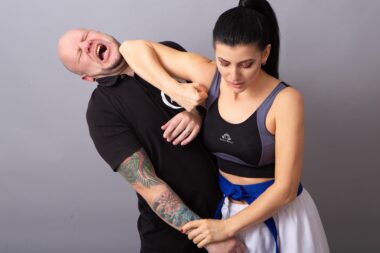
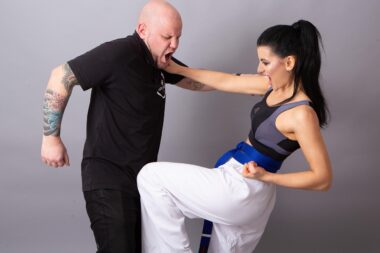
Learning body mechanics is essential in developing effective self-defense techniques. Body mechanics refers to how you move your body to generate power, maintain balance, and achieve agility. Practicing various drills can enhance those mechanics, improving your response time when faced with an imminent threat. To effectively defend oneself, it’s crucial to understand how our body interacts with the environment during a confrontation. This includes the proper stance and alignment of the body which aids in effective strikes and evasions. Body weight distribution greatly impacts your stability and can determine the effectiveness of your defensive maneuvers. Utilization of the body’s center of gravity also plays a significant role in maintaining balance while engaging an opponent. By focusing on body mechanics, one can exponentially increase the effectiveness of self-defense techniques. Knowledge of joint movements can help enhance fluidity and coordination. All of these factors combine to create a well-rounded defensive reflex, allowing for quicker and more spontaneous reactions. Incorporating specific drills into regular training helps in achieving these goals more efficiently. Therefore, understanding body mechanics should be a priority for anyone interested in self-defense training.
To enhance defensive reflexes, one should engage in drills that focus on movement and response time. Drills can be designed to practice evasive maneuvers, strikes, and counter-attacks simultaneously. When practicing, also leverage technology by using mirrors to observe your form and improve technique. Mirrors allow you to see your body mechanics in action and understand what adjustments are necessary to improve. Partner drills can be an effective way to simulate real-life confrontations, helping you gain experience and confidence in your techniques. Additionally, shadowboxing can be beneficial, as it allows you to practice footwork and body positioning without an opponent. Engaging in plyometric exercises can also enhance speed, which is crucial during self-defense situations. Examples include explosive jumps or quick lateral movements that mimic fight scenarios. Furthermore, flexibility exercises play an integral part; they keep your muscles elongated, leading to better mobility. Striking pads with varying intensity helps develop timing and precision in your strikes. Consistent practice of these drills ensures that your body mechanics align effectively with reactive capabilities. This tactical preparation contributes significantly to defensive reflex improvement under pressure.
Core Drills for Body Mechanics
Focusing on core strength is vital for building effective body mechanics. Your core supports your body’s movements and helps in stabilizing you during defense maneuvers. Core drills, such as planks and Russian twists, improve not just strength but also balance. Strong core muscles enable quicker and more powerful movements, essential for any self-defense technique. Incorporating balance exercises into your routine will allow you to stay agile and responsive. Uneven surfaces or balance boards can significantly boost your overall stability. Practicing hip movements is also beneficial; they facilitate effective rotational strength critical in executing various defense techniques. Add martial arts-specific drills that focus on flowing movements of the torso and hips—these help you learn how to effectively torque your body. High-intensity interval training (HIIT) is another effective approach, combining strength and cardio for better responsiveness. Performing movements that engage multiple muscle groups enhances body awareness. This results in improved mechanics during defensive situations. As you refine these foundational skills, your body instinctively learns to react. Investing time in core drills will lead you to a more solid foundation in your self-defense skills.
Footwork is often overlooked yet plays an integral role in successful body mechanics. Efficient footwork helps maintain balance while facilitating speedy evasive actions and counter-attacks. Practicing drills that involve lateral movements, such as side shuffles, aids agility training. Combination drills combining footwork with striking also develop coordination. Moreover, practicing pivoting can help you learn to change the direction of your body rapidly—critical in real defensive situations. The focus should be on maintaining proper posture to support every movement instinctively. Regularly practicing stepping patterns can also increase both speed and fluidity. Additionally, integrating shadowboxing with footwork movements can create a connection between your upper and lower body mechanics. This linkage is crucial for ensuring your strikes are effective. Visualization of movement patterns while training enhances cognitive understanding. This comprehension leads to improved execution under stress. Engaging in drills specifically designed to end with evasive footwork prepares your body to respond effectively during confrontations. Continued footwork training will improve not only your mechanics but also your overall combat effectiveness when needed.
Utilizing Drills for Mental Conditioning
In addition to physical drills, mental conditioning is crucial for improving reflexes. The ability to think clearly in stressful situations is key to effective self-defense. Visualization techniques can be employed as part of your training regimen to mentally prepare yourself for potential confrontations. Imagine various scenarios, analyzing your responses while perfecting your body mechanics in the process. This deliberate practice aids in developing an instinctive reaction that becomes ingrained over time. Mental rehearsal increases your confidence, ensuring you can respond effectively when necessary. Engage in tactics that simulate surprise attacks, allowing you to react based on your training effectively. Incorporating breathing exercises can also help calm your nerves in high-pressure situations. Mindfulness training is another area to explore as it can improve focus, allowing you to stay present. Developing a strong mental image of your movements reinforces muscle memory, making body mechanics second nature. Reflecting on your training sessions can further enhance your understanding. After each practice, analyze what worked and what didn’t; adjustments here can significantly improve future performance. The amalgamation of these mental drills ensures comprehensive defensive readiness.
Strength training forms the backbone of effective body mechanics in self-defense. A strong, conditioned body is vital for power generation needed in strikes and defensive movements. Exercises such as deadlifts and squats increase overall strength, which, when combined with technical training, maximizes efficiency. Emphasizing compound movements builds several muscle groups simultaneously, reflecting real-life movement demands during defense situations. Resistance training can also enhance explosive power, crucial for delivering fast strikes effectively. Functional movements closely mimic actual self-defense actions, allowing for practical application in real scenarios. Harnessing body weight exercises like push-ups or pull-ups can further strengthen key muscles associated with defense. Regular resistance exercises and progressive overload will improve muscle definition while supporting your defensive capability. Strengthening over time contributes to better performance in defending against larger opponents. Group classes can enhance motivation while providing a structured environment for strength development. Regularly incorporating strength-building workouts into your routine will yield positive results in both body mechanics and defensive reflexes. Maintaining a commitment to training will empower you in self-defense preparedness, expanding your skill set to face various challenges.
Recovery: An Important Component
Finally, recovery should not be underestimated in the journey toward mastering body mechanics. The practice of self-care post-training helps your muscles repair and grow stronger, which is necessary for improved performance. Effective recovery techniques include stretching, hydration, and nutrition. Incorporating dynamic stretches before training prepares your muscles for optimal performance, while static stretching afterward reduces tightness. Foam rolling can alleviate muscle soreness while improving blood circulation and facilitating recovery. Nutrition also plays an integral role; a balanced diet rich in protein fuels muscle recovery. After intense training sessions, prioritizing rest allows your body to recharge. Sleep affects recovery, mental function and reflex response during self-defense. Therefore, aiming for adequate sleep each night can directly impact your training results. Active recovery techniques, such as light workouts, are beneficial as they promote movement without straining. Incorporating low-intensity exercises improves blood flow without adding undue stress. Maintaining consistency in recovery practices will yield smoother training sessions and prevent injuries. Prioritizing rest, nutrition, hydration and stretching will enhance your resilience and ultimately improve your overall effectiveness in self-defense.
In addition to physical drills, mental conditioning is crucial for improving reflexes. The ability to think clearly in stressful situations is key to effective self-defense. Visualization techniques can be employed as part of your training regimen to mentally prepare yourself for potential confrontations. Imagine various scenarios, analyzing your responses while perfecting your body mechanics in the process. This deliberate practice aids in developing an instinctive reaction that becomes ingrained over time. Mental rehearsal increases your confidence, ensuring you can respond effectively when necessary. Engage in tactics that simulate surprise attacks, allowing you to react based on your training effectively. Incorporating breathing exercises can also help calm your nerves in high-pressure situations. Mindfulness training is another area to explore as it can improve focus, allowing you to stay present. Developing a strong mental image of your movements reinforces muscle memory, making body mechanics second nature. Reflecting on your training sessions can further enhance your understanding. After each practice, analyze what worked and what didn’t; adjustments here can significantly improve future performance. The amalgamation of these mental drills ensures comprehensive defensive readiness.