
How to Use Drones for Trail Running Photography
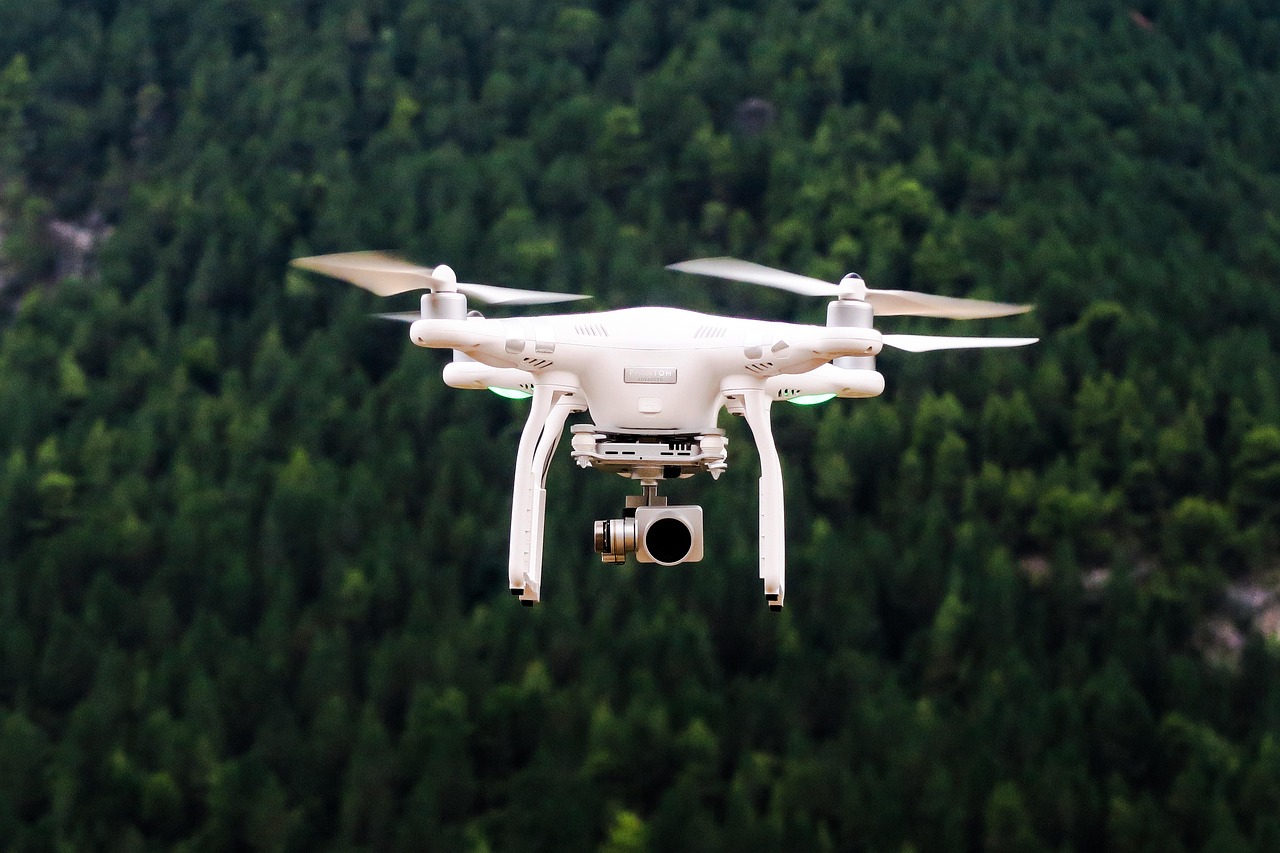
Trail running photography has taken a leap, thanks to the rise of drones. Integrating drones into your photography toolkit can elevate your images remarkably. The first step is to choose the right drone for your needs. Ideally, look for a drone with a decent camera that provides 4K resolution. Check for battery life, flying distance, and weight, as these factors impact your shooting time. You want a drone that can keep up with fast-paced runners on challenging terrains. Additionally, familiarize yourself with local regulations, as drone usage can be restricted in various areas. Understanding airspace limitations ensures you’re not breaking any laws. Once you’re equipped with a drone and you’re familiar with the laws, consider scouting potential locations beforehand. Identify trails that offer stunning backdrops, whether they are mountains, rivers, or forests. It’s essential to plan the angles and shots you want to capture while focusing on the runner’s movement. With the right preparation, you can create unique compositions that tell a compelling story of adventure and exploration. Ultimately, it’s about blending nature, athletes, and cutting-edge technology.
Another key component is mastering drone flying techniques. Take time to practice your piloting skills before an actual race or event. Proficiency in maneuvers like fly-arounds and close-ups can significantly enhance your photography. A good starting point is to experiment in open spaces with fewer obstacles. Learning to control altitude, speed, and direction will help you capture dynamic shots. Moreover, incorporate different angles. Aerial shots can offer breathtaking perspectives; however, low angles can provide intimacy and drama to your photos. Seasoned drone photographers often combine wide-angle shots with close-ups for depth. As you shoot, take into consideration the time of day. Natural lighting plays a crucial role in photography, and the golden hour, shortly after sunrise or before sunset, provides the best ambiance. Position your drone to capture striking contrasts in light and shadows as they affect the mood of the narrative. Be patient; the best shots often require persistence and timing. Reviewing your footage post-shoot also helps identify areas of improvement and great moments you may have captured. It’s a vital learning process that can refine your skills further.
Editing Techniques for Stunning Images
Post-processing is an essential part of delivering stunning trail running photography. Use editing software such as Adobe Lightroom or Photoshop to enhance your images. After importing your shots, start with basic adjustments like exposure, contrast, and saturation. Improving these elements can make your images pop and become more compelling. Furthermore, you may want to crop images for better composition and focus on the runners. This adjustment can transform an average photo into something that draws the viewer’s eye. Don’t be afraid to experiment with color grading to create dramatic effects in your images. Many photographers favor specific styles that match the emotional tone of their shots. Moreover, consider sharpening your images to emphasize details, especially in the runner’s form and the surrounding environment. This technique draws the audience’s attention to the subject. Apply filters sparingly, as overusing them can create an unnatural ambiance. Lastly, maintain a consistent style across your photography to establish brand identity, giving audiences a recognizable theme that connects various shots. Your editing workflow can become a signature aspect of your overall photography style.
Another aspect to consider is the storytelling element in your photography. Capturing the essence of the trail runner entails more than just technical skills; it’s about conveying emotions and narratives. Utilizing drones can highlight this aspect effectively. Strive to portray the excitement, challenges, and triumphs of trail running through your lens. Showcasing runners tackling tough terrains or pushing through adverse weather conditions adds dramatic flair to your portfolio. Incorporating candid moments can strengthen the connection with viewers and reflect the athlete’s spirit. Look for spontaneous interactions, whether it’s runners sharing a smile or a moment of triumph at a scenic viewpoint. Moreover, highlight the natural elements surrounding the runners. Various landscapes can tell a compelling story on their own, enriching the overall narrative of your photography. A drone’s unique perspective grants access to angles that ordinary photography cannot achieve. Use those wings to portray extensive vastness, illustrating the runner’s solitude amid the landscape. By thoughtfully combining these elements, your photography will resonate with emotions that inspire and motivate fellow trail enthusiasts.
Safety Tips When Flying Drones
Safety cannot be overlooked when engaging in trail running photography with drones. Flying a drone safely protects the equipment, the runners, and the environment. First, always keep your drone within line of sight while flying. Keeping visuals on your drone reduces the chance of unintended collisions with trees, people, or other obstacles. Be cautious of your surroundings; wildlife and fragile ecosystems can be easily disrupted if your drone gets too close. Practicing responsible flying ensures that you minimize ecological disturbances. Additionally, check the weather conditions prior to your shoot. Windy or rainy weather can jeopardize both your drone’s performance and the quality of your shots. Choose calm, clear days for optimal results. Furthermore, always respect the privacy of individuals while flying near populated areas. Minding people’s personal spaces will not only uphold respect but can also prevent negative confrontations. Familiarize yourself with emergency procedures specific to your drone. In the event of a malfunction, knowing how to react quickly can save the day. Following these safety tips lays the groundwork for enjoyable and successful shooting experiences. Remember, a responsible photographer is a better photographer.
Additionally, investing in quality accessories will enhance your trail running photography experience. Consider obtaining spare batteries to ensure you maximize shooting time, as battery life can be a limiting factor, especially during lengthy runs or events. Extra batteries allow you to capture more footage or photographs without the anxiety of your drone losing power mid-flight. Pairing your drone with a decent ND filter helps manage exposure in bright light conditions, enabling more creativity in shooting. A gimbal stabilizer can greatly improve video footage’s smoothness and clarity. By minimizing the shaky look that is common in drone photography, you enhance the professionalism of your shots. Also, a backpack designed specifically for drones can provide convenient transport while keeping your gear safe and secure across rugged trails. Organizing your drone gear properly not only helps you find equipment quickly but also minimizes the potential for damage. Moreover, a portable power bank can ensure that your devices are always charged, allowing you to keep shooting without delay. Taking these steps will not only enhance the quality of your work but also foster a smoother shooting experience overall.
Building a Portfolio
Finally, crafting an impressive portfolio will showcase your skills and attract potential clients or collaborations. Curate the best pieces of your trail running photography, focusing on diversity in trails, angles, and emotions captured. The strongest portfolios actively balance technical skill and storytelling. Prioritize images that showcase your unique style and creativity. Mix aerial shots with ground-level perspectives to provide depth and showcase your range. Also, feel free to include before-and-after images that illustrate your editing capabilities. This is valuable to potential customers looking for professionalism. Furthermore, consider sharing your work on social media platforms or photography websites. Engaging with outdoor communities can significantly expand your audience and networking opportunities. Leverage platforms such as Instagram or specialized photography forums to showcase your best work. Additionally, remember to include a well-crafted bio that highlights your photography journey, your interests in trail running, and your motivations. Engaging narratives resonate with potential clients, creating more meaningful connections. Establishing a strong online presence will enhance the visibility of your work and contribute to long-term success as a trail running photographer.