
Effective Core Conditioning for New Fitness Enthusiasts
Core training is essential for beginners looking to enhance their overall strength and stability. A solid core supports many physical activities, improving balance, posture, and movement efficiency. Focusing on core exercises not only benefits the body but also helps prevent injuries. Beginners should aim to create a balanced routine that targets all core muscles, including the rectus abdominis, obliques, and lower back. Incorporating a mix of exercises will promote muscle growth and endurance, leading to noticeable improvements. Beginners may feel overwhelmed by the variety of exercises available, but it’s important to start with the basics. Simple movements such as planks, bird-dogs, and bridges are ideal starting points. These exercises require minimal equipment and can be performed at home or the gym. When starting a training routine, ensure you maintain proper form and gradually increase difficulty as your strength improves. Consistency is crucial; aim to train your core two to three times per week. By dedicating time and effort to focus on core stability and strength, beginners lay the foundation for a more well-rounded fitness journey in the long run.
Joining a group or following a guide can be beneficial for beginners venturing into core training. Utilizing resources and expert advice can help ease the learning curve and ensure exercises are performed with proper technique. In addition to bodyweight exercises, consider incorporating resistance bands or stability balls to enhance your routine. Equipment can provide extra challenge and variety, making workouts more enjoyable. As beginners become familiar with fundamental movements, they can progress toward more complex routines. Don’t rush the process; mastering foundational exercises is key for building strength over time. Moreover, varying your workouts not only keeps things interesting but also prevents plateaus. Introducing new exercises periodically will stimulate different muscle fibers, promoting continuous development. Set achievable goals to track your progress, such as increasing hold times for planks or adding repetitions to your workout. Celebrate small victories to stay motivated on this fitness journey. Remember, every bit of effort counts, and patience is essential. As you build consistency and strength, you’ll notice improvements in your performance across various physical activities. A strong core is a cornerstone of a healthy, active lifestyle.
Essential Core Exercises for Beginners
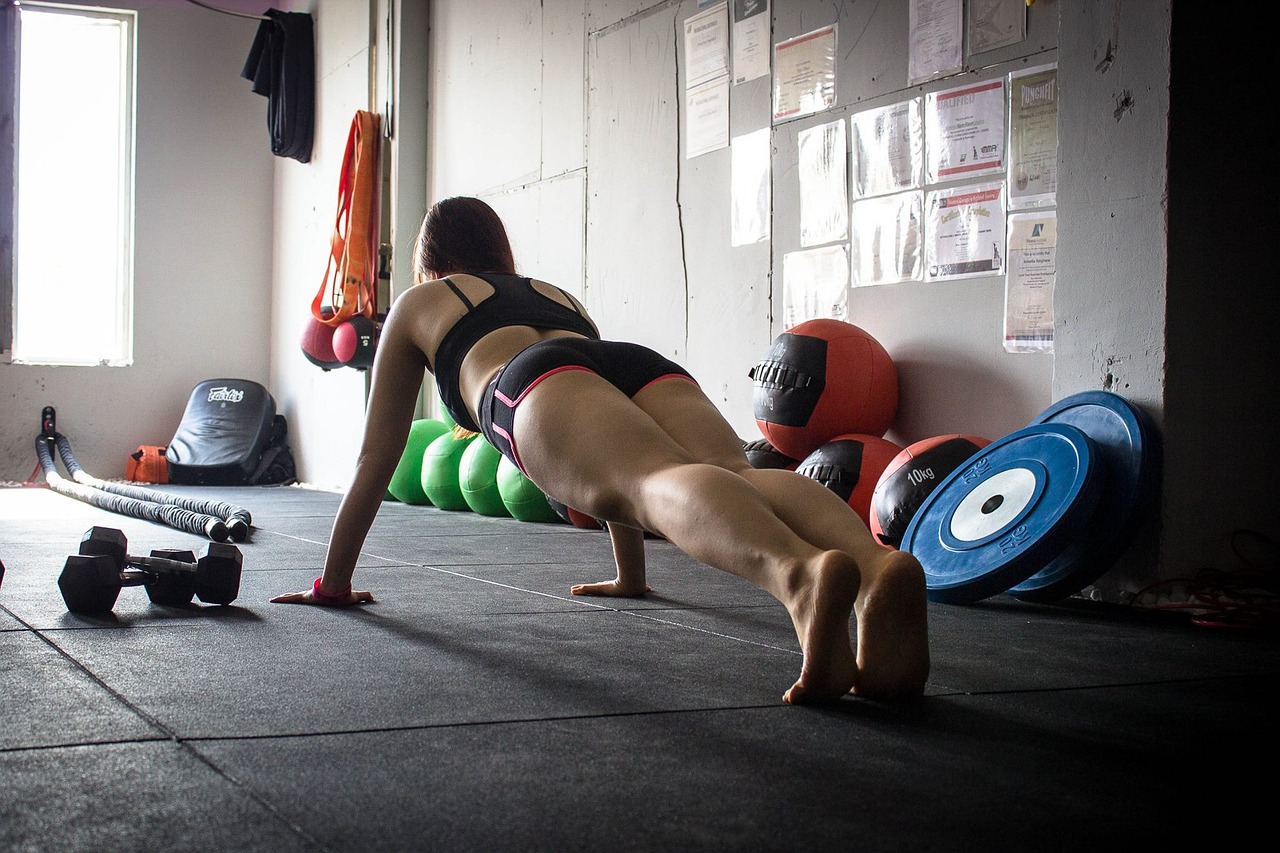
A few foundational core exercises are crucial for those just starting their fitness journey. The classic plank is a fantastic way to engage multiple muscle groups simultaneously. To perform a plank, lie face down and lift your body on your toes and forearms, maintaining a straight line from head to heels. Start with 20-30 seconds, gradually increasing duration as your core strength builds. Another effective exercise is the side plank, which targets oblique muscles. It requires balancing on one side while lifting your hips, enhancing lateral stability. Bridges are also instrumental in strengthening the lower back and glutes. By lying on your back with knees bent and lifting your hips towards the ceiling, you activate your entire posterior chain. Bicycle crunches effectively work the abdominal muscles too. Lie on your back and bring your knees to a tabletop position, then alternate touching elbows to knees while extending the opposite leg. As you incorporate these exercises into your routine, remember to focus on breathing and engage the core throughout each movement. Consistency and gradual progression will result in improved strength and endurance.
Before diving into an exercise regimen, it’s wise to warm up properly. Warming up increases blood flow and prepares your muscles for the workout ahead. Simple movements like walking or dynamic stretching can effectively raise your heart rate and loosen tight muscles. Following a warm-up, perform a few core exercises at a moderate intensity to ensure your body is ready. This reduces the likelihood of injury during more intense training sessions. After the workout, always include cool-down stretches to promote flexibility and recovery. Post-exercise stretching reduces muscle soreness and aids in the overall recovery process. Focus on stretches that target the entire core, including the lower back and hips. Additionally, listening to your body is crucial. If you experience discomfort or pain, modify or reduce the intensity of the workouts. It’s vital to strike a balance between challenge and safety. Progress may be slower than expected, but with dedication, the results will follow. Remember to stay hydrated and eat a balanced diet to fuel your workouts. A well-rounded approach to core training will support your long-term fitness goals.
Nutrition and Recovery for Core Strength
Nutrition plays a significant role in supporting exercise recovery and overall fitness. Consumption of adequate protein is crucial for muscle repair and growth. Incorporating lean sources of protein like chicken, fish, beans, and quinoa into your meals can aid recovery after workouts. Ensure to consume a variety of fruits and vegetables to provide essential vitamins and minerals that support your body’s needs. Staying well-hydrated is equally important, as dehydration can hinder performance and recovery. Drinking sufficient water before, during, and after workouts enhances energy levels and supports effective muscle function. Proper recovery includes not only nutrition but also sleep. Aiming for 7-9 hours of quality sleep per night allows your body to recuperate and rebuild after training sessions. Rest days are also crucial for allowing your muscles to recover. Engaging in light activities such as walking or yoga on rest days can aid recovery while keeping you active. You’ll find that combining nutrition, hydration, and adequate rest will contribute to enhanced core strength and fitness over time. Monitoring your overall wellness plays an essential role in achieving your fitness aspirations.
Finally, creating a sustainable fitness plan is essential for long-term success. Start by setting realistic goals that align with your fitness level and lifestyle. Choose exercises that you enjoy doing, which will make it easier to stay consistent. Vary the intensity and type of workouts, ensuring you engage all core areas effectively. Scheduling workouts during the week helps in establishing a healthy routine. Remember to include both core-specific exercises along with other strength training and cardiovascular workouts. If feasible, consider working with a personal trainer to develop a personalized plan that meets your needs. Trainers can help identify strengths and weaknesses, adapting your routine accordingly. Additionally, don’t hesitate to seek support from friends or family; having a workout buddy can boost motivation. Participating in group classes or challenges can further enhance your commitment to fitness. Strive to make gradual changes and focus on progress rather than perfection. It’s essential to be patient with yourself, especially as a beginner. Celebrate your achievements, no matter how small they may seem, and remember that every step counts toward becoming a fitter, healthier version of yourself.
Consistency Over Perfection in Core Training
The journey towards effective core conditioning is filled with opportunities for growth as well as challenges for beginners. While the aim is to achieve strength and stability, it’s essential to acknowledge that perfection is not the goal. Focus on the process rather than outcomes. Consistency is crucial when developing a solid core; regular practice will naturally lead to improvement over time. As you progress, you may encounter plateaus or moments of frustration. Don’t let these discourage you; they are common components of any fitness journey. Stay committed and remind yourself why you started in the first place. Tracking progress can be incredibly motivating. Keep a journal of your workouts to note gains in strength and endurance, no matter how small. Celebrate milestones, like completing a tough workout or hitting a new personal record. Remember, fitness is a lifelong commitment; embrace each step along your path. Building a strong core will yield benefits in countless aspects of life, from reducing pain to enhancing athletic performance. Enjoy the process, seek support, and foster a positive mindset towards your core training journey.
As you navigate through your core training, remember to have fun while exercising. Engaging in enjoyable activities makes the process of getting fit far more appealing. You may explore different classes, join fitness communities, or practice with friends. The social aspect of fitness creates an encouraging environment conducive to growth. Experimenting with various exercise modalities will help you find what resonates most with you. Don’t hesitate to try new things; variety can enhance motivation. Activities such as Pilates or dance classes can complement your core training, keeping your routine fresh and engaging. The overarching goal is to establish a sustainable lifestyle that promotes overall well-being. Rest assured that, by incorporating core conditioning into your routine, you will contribute to a stronger foundation for your physical health. Adopting a versatile approach to workouts ensures that you remain engaged and challenged throughout your fitness journey. Ultimately, fitness is a personal path; listen to your body, set your own pace, and nurture your passion at each turn. Through diligence and a positive mindset, you will achieve the functional strength and stability necessary for a fulfilling, active life.