Essential Safety Checks Before Every Ride
Ensuring your bike is safe before every ride is paramount for a pleasant cycling experience. Regularly performing essential safety checks can prevent accidents and mechanical failures. Start with a thorough visual inspection of your bike. Check for any visible damage to the frame, handlebars, and wheels. Look for any loose components or misalignments, especially after a ride on rough terrain. Next, pay attention to the tires. Ensure they are properly inflated according to the recommended pressure levels indicated on the tire sidewall. Inspect the tread for wear and replace tires if the tread is worn down. Furthermore, check the brakes to ensure they are functioning well. Squeeze the brake levers and listen for any unusual sounds. Ensure that brake pads are not worn out and can easily grip the rims or discs. Keeping your bike clean is also critical; dirt can affect the components significantly. Maintaining lubrication on the chain helps in smooth gear shifting and prolongs the lifespan of your bike. It’s also good practice to carry a basic repair kit for emergencies. Having tools on hand ensures you’re ready for unexpected travel issues.
Brake and Gear Check
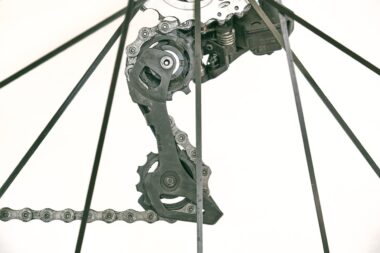
A critical safety check is ensuring your brakes and gears are operating optimally. Before each ride, test your brakes by squeezing the levers to see if they respond adequately. There should be no sponginess or excessive travel in the lever. Inspect brake pads for wear, making sure they contact the rim correctly without being overly worn down. Adjust them if necessary to ensure they function properly during use. For mountain bikes, check that the disc brakes are clean and free from oil contamination. Next, include a gear check in your safety routine. Shift through each gear while pedaling to ensure smooth transitions. This check helps identify issues with the derailleur or chain that could lead to poor performance. Look for any skipping or hesitance when shifting. Inspect the chain for any rust or stiffness, which would indicate the need for cleaning or lubrication. If your bike is a multi-gear system, ensure that all shifters operate smoothly without binding. A properly functioning gear set not only enhances your riding efficiency but also contributes to your safety by preventing sudden mechanical failures.
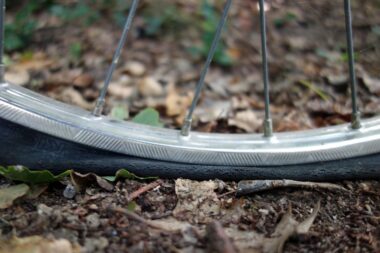
Next, focus on your bike’s tires, as they play a critical role in ensuring a safe ride. Properly inflated tires enhance grip and stability, crucial for navigating varied terrains. Before you set out on your ride, use a pressure gauge to check the inflation levels. Refer to the PSI indicated on the tire sidewall and inflate them accordingly. Under-inflated tires can cause pinch flats and lead to an uncomfortable ride. Additionally, examine tires for any visible damage, such as cuts or bulges that may pose risks. It’s also important to inspect the tread pattern for signs of excessive wear. Consider replacing them if they appear bald or uneven. Riding with worn tires increases the likelihood of losing traction, especially in wet conditions. Additionally, ensure there are no foreign objects lodged in the tread. Conducting these checks regularly not only keeps you safe but also saves the need for costly repairs down the line. Being diligent about tire maintenance ensures that your bike performs reliably on differing surfaces, allowing you to focus on enjoying your ride.
Suspension and Frame Inspection
The suspension system on your bike significantly influences your ride’s quality and comfort. Inspecting this before riding is an essential safety check. Begin by examining the shock absorbers for any leaks or damage. Test the suspension by pressing down on the handlebars; it should rebound smoothly without any stiffness or excessive play. If you note any issues, it may be time for a maintenance check or service by a professional. Additionally, inspect the frame for any cracks or signs of compromise. A damaged frame can endanger not only your safety but also your overall cycling experience, so ensure that everything looks structurally sound. Pay attention to the welds and joints, as these are vulnerable areas. Wipe down any surfaces to check for dirt or debris that could hide potential issues. A clean bike is easier to inspect for problems. If you notice any abnormalities, consult a professional or bike technician before embarking on your ride. Remember, a well-functioning suspension system can immensely enhance control and stability during your rides.
Equally important is checking your bike’s handlebars and controls. Ensuring they are aligned and secure is essential for managing your bike effectively. Check the handlebars to confirm they do not wobble when you grip them, as loose handlebars could lead to loss of control while riding. Additionally, inspect the grips for wear; frayed grips can lead to slipping, especially when sweating. Adjust them as necessary to fit your riding style and comfort. Your bike’s controls also require attention; test the bell, lights, and reflectors before you ride. Having functioning lights is particularly crucial for evening or low-light cycling, as it helps you remain visible to other road users. Furthermore, check that your chain is properly aligned and lubricated; a dry chain can cause squeaking and undue wear. If you have accessories like a bike computer or GPS, ensure they are secure and operational. This pre-ride check ensures that everything functions as it should, allowing you to enjoy your ride without distraction. A smooth ride is not just about performance; it is equally about prepared equipment.
Safety Gear and Accessories
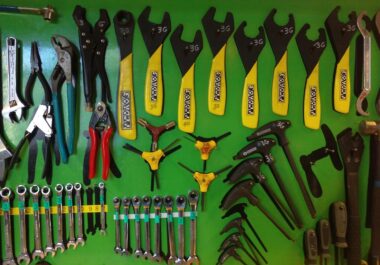
Prioritizing safety gear is vital for every cyclist before each journey. Wearing a helmet is a no-brainer; it should be properly fitted and securely fastened. Always check the integrity of your helmet, ensuring there are no cracks or wear that could compromise its effectiveness. Additionally, you should wear reflective or bright clothing to increase your visibility to drivers, especially in low-light conditions. Gloves can also offer grip and comfort while helping absorb shock during rides. Consider cycling glasses to protect your eyes from sun glare, debris, and wind. Furthermore, it’s wise to carry essential accessories such as a first aid kit and emergency tools. A flat kit that includes tire levers and a pump can be a lifesaver during rides. Carrying an identification card and some cash for emergencies is also advisable. Familiarizing yourself with local traffic laws ensures you’re aware of the rules governing cycling in your area, making your ride safer. By equipping yourself with appropriate safety gear, you are not just protecting yourself but also enhancing your overall cycling experience.
Lastly, remember that regular maintenance is the key to ensuring your bike remains in optimal condition. A well-maintained bike is less likely to encounter issues when you’re out riding. Schedule periodic inspections with a professional mechanic to check components more thoroughly. Learning some basic bike maintenance skills can also serve you well; being able to adjust brakes and gears, for instance, can save you hassle on the road. Ensure your cleaning routine includes degreasing and lubricating your chain regularly. This helps prevent rust and ensures seamless gear shifting. After rides, inspecting your bike for any new damage and cleaning it will prolong its lifespan. Remember to take care of your brake cables and ensure they are free from fraying. Rubbing or dirt can affect performance, so keep your bike clean. Establish a routine for storing your bike properly; this will protect it from harsh weather conditions and potential damage. In summary, being thorough in your pre-ride checks and maintaining a regular schedule of bike care is essential for ensuring a safe and enjoyable cycling experience.
Conclusion
By implementing these essential safety checks into your cycling routine, you are better prepared for pleasant rides. Riding a bike is an enjoyable activity that promotes fitness and reduces stress, but neglecting safety checks could lead to mishaps. Utilize the basic skills necessary for bike maintenance to ensure your bike operates smoothly. Pay attention to crucial components such as brakes, gears, and tires, as these are fundamental to your safety while riding. Remember that riding with the correct gear can make a world of difference in your experience and help prevent accidents. Schedule maintenance checks as per your riding frequency, and always keep an eye on potential issues during regular inspections. Adopting good habits contributes to a safer cycling community overall. The joy of cycling lies in easy rides and enjoyable moments with friends and family, free from the stress of breakdowns or accidents. Plan your rides responsibly by following these guidelines, ensuring you are equipped and prepared for your journey. Above all, prioritize safety so you can relish each ride and explore the great outdoors confidently.