
Combining Foam Rolling with Other Recovery Techniques
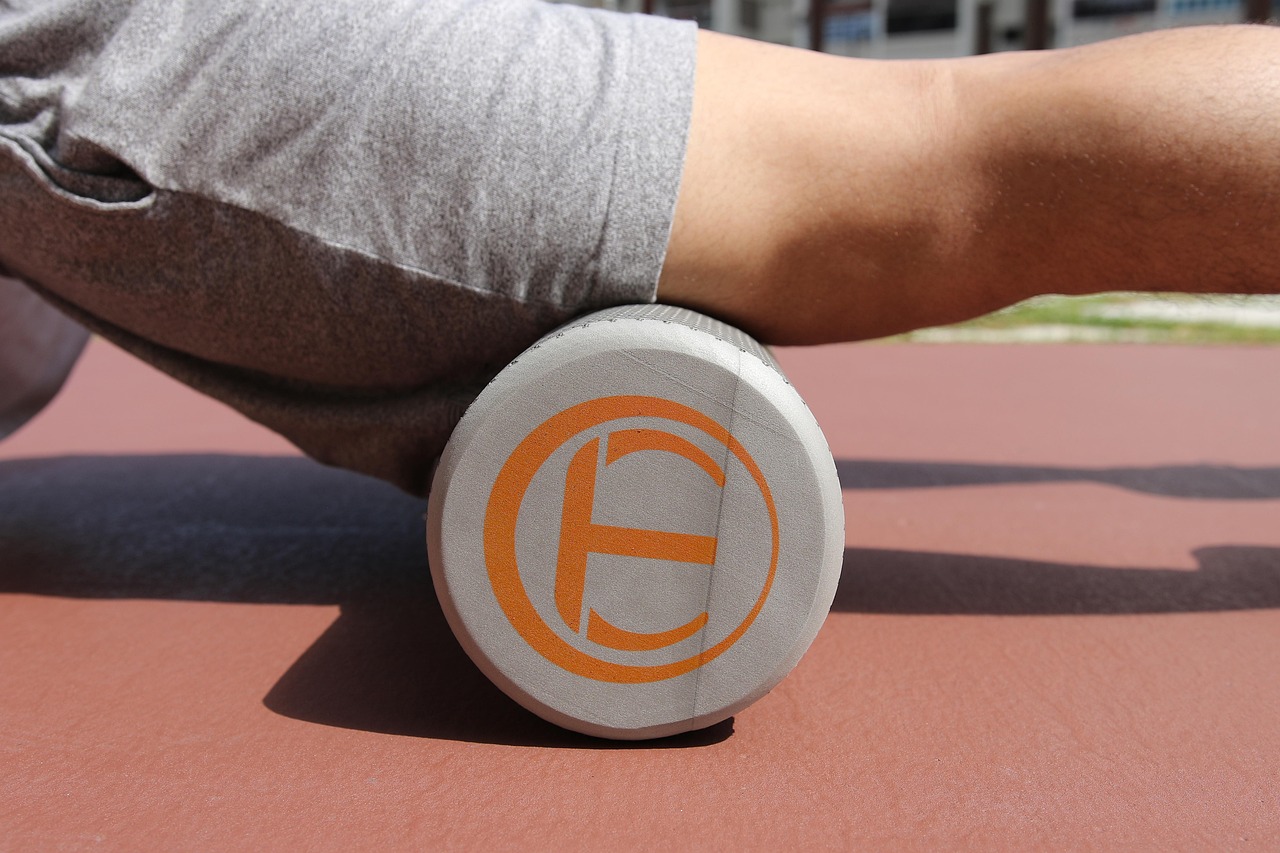
Foam rolling is an essential component of athletic recovery, but it works best when combined with other techniques. Unique benefits arise when foam rolling is used in conjunction with techniques like stretching, yoga, and proper hydration. These methods can enhance flexibility, reduce muscle soreness, and promote overall physical well-being. The collaborative effect can speed up recovery processes and facilitate muscle repair after intense workouts. Additionally, massaging the muscles through foam rolling can increase blood flow, which nourishes the tissues and aids in recovery. The integration of multiple recovery practices creates a holistic approach to fitness that supports athletes and fitness enthusiasts alike. In particular, when foam rolling is paired with activities such as static stretching, the overall benefits are magnified. It is crucial to note that the timing of these techniques matters. Therefore, experimenting with different recovery combinations will ultimately yield the best results. By discovering what works for your body, you can maximize your post-workout recovery and ensure you stay active and injury-free. Proper planning can lead to improved performance, so take time to consider your recovery strategy.
The Importance of Hydration
Proper hydration is a fundamental aspect of muscle recovery and plays a critical role when combined with foam rolling. During intense workouts, the body loses essential fluids, so replenishing them is vital for optimal recovery. Dehydration can slow down muscle repair and hinder the benefits of foam rolling. When muscles are adequately hydrated, foam rolling becomes more effective, promoting better elasticity and reducing tension. This synergy can also prevent cramping and enhance overall performance. Sipping water or consuming electrolyte-rich beverages before and after foam rolling sessions is recommended. Additionally, nourishing your body with hydrating foods, such as fruits and vegetables, can also support this process. Drinking sufficient amounts of water not only helps with recovery but also improves circulation throughout the body. When properly hydrated, your muscles can respond favorably to soft tissue techniques like foam rolling. Paying attention to your fluid intake can make a significant difference in achieving your fitness goals while ensuring each recovery method is maximized. Therefore, integrating hydration practices will elevate your foam rolling experience and significantly benefit your recovery regime.
When foam rolling is practiced alongside stretching, the results can be exponentially beneficial. Stretching after foam rolling allows the muscles to maintain the improved elasticity achieved through foam rolling. This dual approach can lead to greater flexibility and increased range of motion. Static stretching is particularly effective following foam rolling, as it can help in elongating the muscles, which have just been massaged. A typical workout recovery routine might begin with foam rolling specific muscle groups, followed by a focused static stretching session. This sequence enhances muscle resilience while also reducing potential injury risks in future workouts. It is essential to take your time during the stretching phase, holding each position for at least 15-30 seconds to experience the full benefit. The key is to focus on breathing and relaxing the targeted areas, allowing for maximum muscle relaxation. In addition to static stretches, incorporating dynamic stretches before workouts can also prepare the muscles more effectively. A combination of these practices promotes overall muscle health and ensures a more effective recovery. Always listen to your body and adapt your recovery protocol as necessary for optimal results.
Incorporating Yoga into Your Routine
Combining foam rolling with yoga creates a powerful recovery strategy that can enhance your physical performance. Yoga focuses on breathing, balance, and flexibility, which complements the effects of foam rolling. Practicing yoga post foam rolling can improve muscle length and support relaxation by further relieving built-up tension. Various yoga poses concentrate on specific muscle groups that benefit from the deep tissue work of foam rolling. For instance, poses like Downward Dog or Pigeon focus on targeting tight hips and hamstrings. Integrating foam rolling into your yoga routine enables a deeper stretch, maximizing the effectiveness of both practices. After addressing sore spots with a foam roller, transitioning into yoga poses can dramatically accelerate recovery. Practicing mindfulness throughout your session can enhance your connection to your muscles while alleviating mental stress. Thus, pairing foam rolling and yoga clears both physical tension and mental fatigue. Developing a routine that incorporates both methods will encourage consistency and dedication to your recovery. Above all, remember to listen to your body and explore movements that make you feel good, ensuring you keep your practice enjoyable and effective.
Foam rolling can significantly benefit from incorporating deep breathing techniques, which enhance relaxation and muscle recovery. When performed during foam rolling sessions, deep breathing improves oxygen delivery to muscle tissues, aiding in their repair processes. Taking slow, controlled breaths while rolling allows the mind to focus, promoting a sense of calm and tranquility. This aspect is crucial for those who face post-workout tension or anxiety. As the body relaxes, it becomes easier to identify tight spots that require attention. In creating a rhythm between breathing and foam rolling, you can induce a meditative state that boosts the efficacy of your recovery. Additionally, exploring other breathing exercises, such as diaphragmatic or box breathing, further enriches the experience. As you discover your ideal breathing technique, aim to incorporate it into your regular foam rolling practice. Regular practice enables these techniques to become second nature, which will serve you well during high-intensity workouts. Ultimately, mastering the synergy between breath and recovery techniques can lead to a more productive and restorative foam rolling session at the end of your workouts.
Massage Therapy vs. Foam Rolling
Massage therapy and foam rolling both aim to relieve muscle tension and promote recovery, each offering unique advantages. While foam rolling is a self-myofascial release technique, professional massage therapy provides targeted and deeper tissue work. Many athletes use foam rollers to complement massage therapy sessions, as both can work together to enhance muscle recovery. Foam rolling is often more accessible and can be done on the go, while massage therapy sessions require scheduling and may come with a cost. For those looking to achieve immediate relief after workouts, self-myofascial release through foam rolling is a great option. It allows athletes to take charge of their recovery while optimizing muscle recovery between professional massages. Combining both methods can lead to a rounded approach to rehabilitation for those dealing with chronic muscle tension or soreness. Regular usage of foam rollers between massages can extend the benefits of professional treatments, improving overall muscle function. Moreover, exploring various types of massage techniques such as deep tissue or sports massage can offer further recovery enhancements when combined strategically with foam rolling.
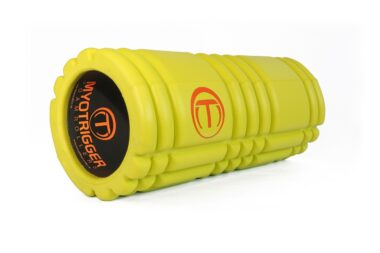
To maximize recovery, using a combination of foam rolling techniques is essential for achieving optimal results. For instance, targeting multiple muscle groups in a single session can provide a comprehensive rollout that ensures no muscle area is left untreated. Recommended approaches include alternating between using a foam roller for different muscle groups and integrating tools such as massage balls or trigger-point release devices. The variety prevents monotony and keeps your recovery sessions engaging while ensuring a full-body approach to muscle restoration. Guidelines suggest dedicating at least several minutes to each targeted area, using controlled movements to roll over tight spots and hold pressure where necessary. Continuously experimenting with techniques can lead to discovering personal preferences, enhancing sessions greatly. Moreover, complementing foam rolling with ice pack treatments can alleviate inflammation further. Different recovery tools can provide a rich variety of experiences, addressing various muscle tightness and discomfort. The key is to remain adaptable, allowing your recovery process to evolve alongside your fitness journey to achieve maximum benefits over time. A commitment to exploring diverse methods is vital for finding what consistently works for you.