
The Impact of Body Weight on Foot Health During Running
The relationship between body weight and foot health is a critical aspect for runners. Excess body weight can lead to increased strain on the feet, causing various complications. Runners are particularly prone to injuries like plantar fasciitis and Achilles tendonitis. This often occurs due to the excessive force during impact while running. Body weight influences the biomechanics of running. When a runner’s weight is excessive, the forces transmitted through the foot and ankle joints increase significantly, potentially leading to pain and injuries. Additionally, overweight individuals may have altered running form, compounding the risk of foot issues. Maintaining a healthy weight through balanced nutrition and regular exercise is essential for runners. This can prevent stress on foot structures. Runners should consider consulting with a medical professional or a podiatrist. Customized foot care, including the right footwear, can mitigate injury risks. Moreover, understanding the relationship between weight and foot health can empower runners to make informed decisions. Ultimately, being proactive about foot care can enhance running performance and overall well-being.
When considering the impact of body weight, it is essential to understand how it relates to foot arch health. Foot arches play a significant role in weight distribution and shock absorption. A higher body weight can lead to overpronation or flat feet, disturbing normal alignment. The arch should ideally support the body’s weight evenly, especially during running. However, when weight is not balanced, the likelihood of developing conditions such as plantar fasciitis increases. Strengthening the muscles around the arches is crucial for maintaining stability and reducing injury risks. Runners can incorporate foot exercises to improve arch strength and flexibility. These exercises help enhance foot mechanics, allowing for more efficient running. Proper footwear is also vital. Shoes with adequate support, cushioning, and a suitable fit can alleviate undue stress on the feet. Additionally, runners should evaluate their body weight. If they find their weight is impacting foot health, it may be time to seek personalized advice from a fitness professional. Combining weight management with a focus on foot care is essential for long-term running success. This multifaceted approach leads to better performance and healthier feet.
Another significant factor to consider is the influence of fat distribution on biomechanics. The way fat is distributed in a runner’s body can affect their running mechanics. Runners carrying excess weight primarily in the abdominal region may experience alterations in center of gravity. This shift can impact stride length and running efficiency, causing increased stress on foot structures. Over time, biomechanical inefficiencies can lead to foot injuries. Runners should focus on maintaining a balanced fat distribution through appropriate exercise and dietary measures. Regular strength training can enhance muscle development, promoting better weight distribution. Additionally, engaging in cross-training can improve overall body strength and reduce injury risks. Effective warm-up routines and stretching can also prepare the body for running. Thus, prioritizing foot health is crucial, especially for heavier runners. Adequate warm up enhances flexibility and prepares muscles for impact. Furthermore, investing time in strengthening the feet through various exercises encourages better support and stability. Being aware of such factors helps runners mitigate injury risks while improving performance. A comprehensive approach to weight management will undoubtedly result in better foot health over time.
Footwear and Its Importance
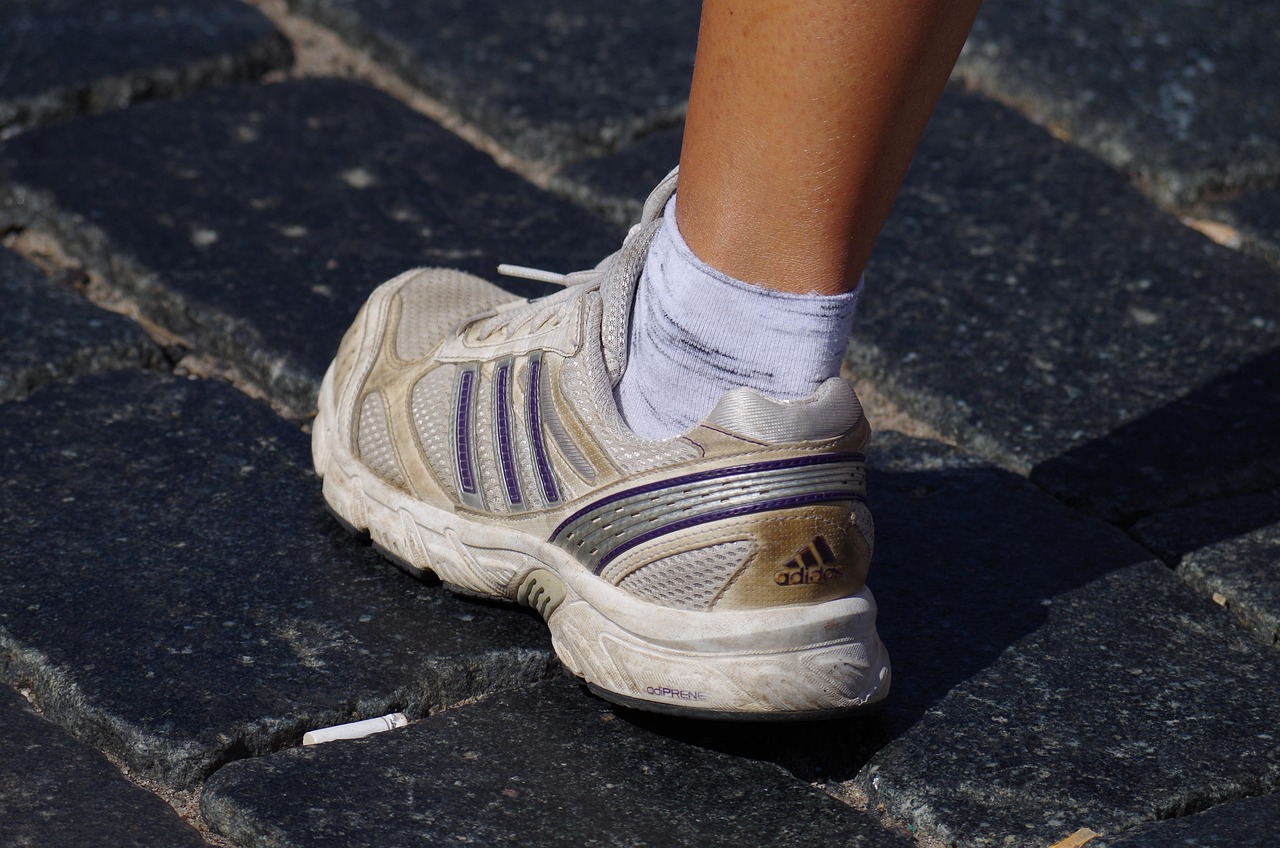
Choosing the right footwear is essential in managing body weight and maintaining foot health. The correct shoes provide necessary support and cushioning, reducing overall impact on the feet. Runners must consider their foot type and choose shoes that cater to their needs. For example, individuals with flat feet may require stability shoes, while those with high arches might benefit from cushion-type shoes. Investing in quality footwear can significantly enhance running comfort and performance. Shoes with good arch support enable proper foot alignment, which can help minimize injury risks. Additionally, runners should replace worn shoes frequently. A lack of proper cushioning in old shoes can lead to injuries, particularly when carrying extra weight. Periodic assessments of running footwear can help ensure they still meet performance needs. Runners might also benefit from professional fitting services in specialized stores. These services can guide the selection of optimal footwear tailored to their running style and body weight. Also, consider the terrain when selecting shoes, as it may influence foot health during runs. A holistic approach to footwear may thus help improve overall foot health and running experiences.
The role of proper maintenance in foot care cannot be overlooked. Regular foot inspections are recommended for runners to catch potential problems early, especially if they have additional body weight. Skin conditions like blisters, calluses, or fungal infections are common among runners. These issues can develop quickly, making it essential to frequently check feet for any early signs of trouble. Correct foot hygiene practices, including keeping feet dry and moisturized, can prevent many common issues. Moreover, athletes can benefit from professional podiatry consultations for customized foot care. Regular check-ups ensure feet are healthy and functioning optimally for running. Additionally, incorporating recovery strategies into running routines can support foot health. Gentle stretching, icing sore areas, and using foam rollers can aid recovery. This approach helps alleviate stress on the feet, particularly after long runs. Furthermore, athletes should pay attention to their running surfaces. Soft surfaces are generally better for foot health compared to harder terrains. Making adjustments to routines, including recovery and maintenance practices, can significantly improve foot health, especially when body weight is a concern. Personal care strategies are therefore pivotal for injury prevention and enhanced performance.
Hydration also plays a vital role in foot health, particularly for runners carrying excess weight. Staying hydrated helps maintain cushioning in joints and connective tissue, promoting overall comfort during runs. Dehydration can contribute to cramping or muscle fatigue, increasing the risk of injury. This is particularly true for those whose bodies must work harder while running. Adequate fluid intake should be emphasized, especially in warmer climates or during extended runs. Moreover, a balanced diet provides essential nutrients that support healthy tissues, including ligaments and tendons. Foods rich in vitamins, minerals, and omega-3 fatty acids can help maintain foot health. Consuming more anti-inflammatory foods can mitigate pain and soreness. Supplements may also be a consideration if dietary intake is inadequate, but consultation with a health professional is recommended. Additionally, adopting proper running techniques can reduce the strain on the feet. Learning effective running techniques, often through professional coaching, helps improve biomechanics. This can lead to better foot health, especially for runners who may struggle with their weight. Therefore, proper hydration, nutrition, and running technique contribute significantly to foot health in runners.
Conclusion
In conclusion, understanding the impact of body weight on foot health is crucial for runners. Maintaining an appropriate weight not only improves performance but also reduces injury risks. Foot care must encompass strategies related to body weight, including proper training, footwear, hydration, and nutrition. Addressing these aspects means runners can experience improved performance and longevity in their running routines. By focusing on managing body weight, optimizing foot health can substantially enhance running experiences. Runners should prioritize working with professionals, such as dietitians and podiatrists, to develop comprehensive care plans tailored to their specific needs. These plans can help maximize efficiency and safety during runs. Furthermore, fostering a positive mindset around body image encourages runners to engage in healthy practices. This holistic approach to running and foot health empowers individuals to enjoy their running journey while minimizing injuries. Emphasizing careful body weight management can promote healthy feet and better overall well-being. Thus, a balanced regimen that includes foot care is essential for the lifelong runner. Investing in this holistic understanding can lead to improved running performance and more enjoyable experiences on the trails.
By attending to these elements, runners can foster a more enjoyable and sustainable running experience. Whether simply jogging or engaging in serious marathon training, the commitment to foot health is essential. A proactive approach ensures that foot-related injuries can be avoided, making running a pleasurable and rewarding endeavor. Coupled with an emphasis on overall well-being and fitness, healthy foot strategies are vital for all runners.