
Combining Freerunning Tricks with Traditional Parkour Moves
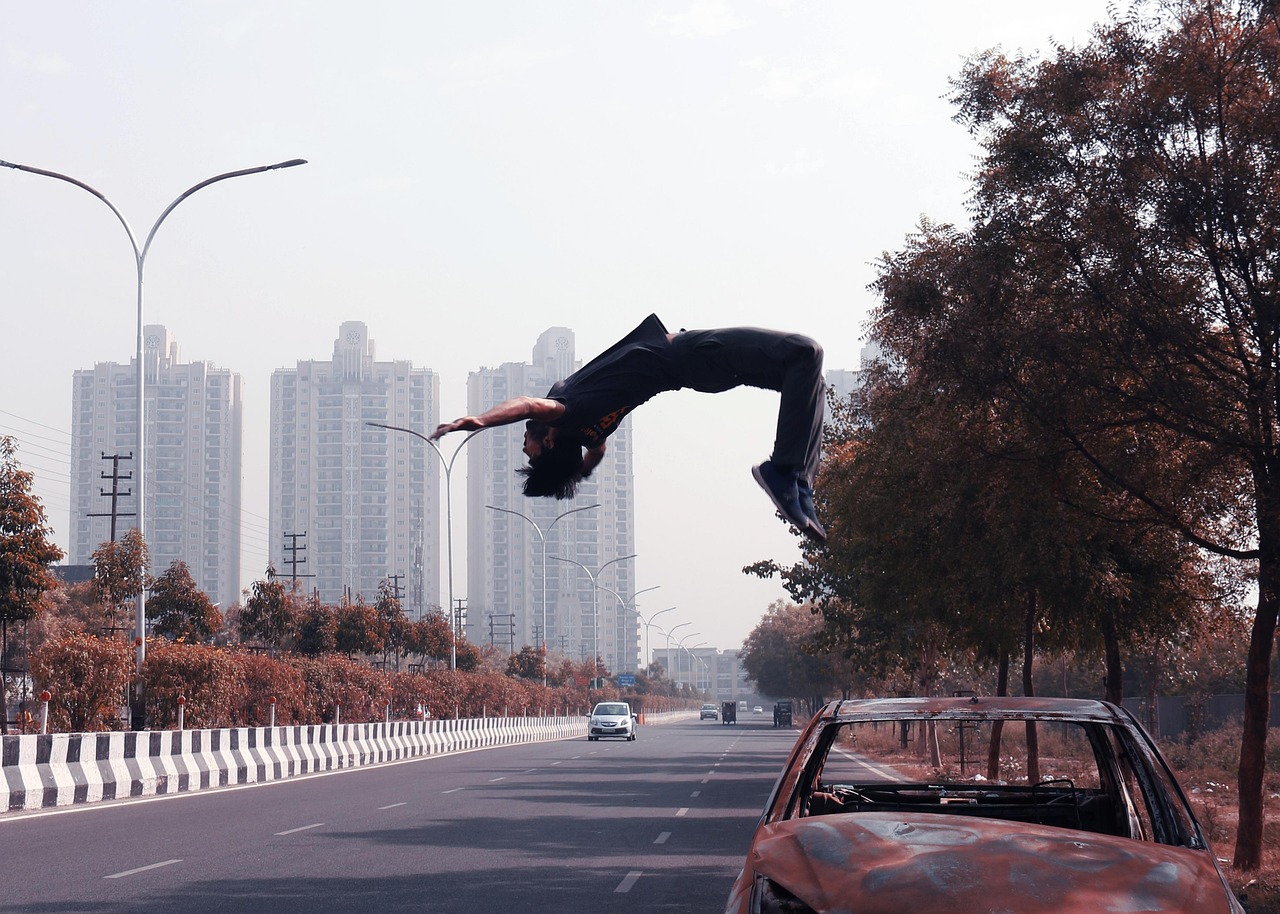
Parkour and freerunning have distinct roots and philosophies. While parkour emphasizes efficient movement and overcoming obstacles, freerunning allows for more creative expression. However, combining elements from both disciplines can lead to enhanced skills, versatility, and unique styles. To forge a deeper connection between traditional parkour and modern freerunning, it’s important to explore various techniques and ways they complement one another. One approach is to incorporate freerunning tricks such as flips and spins into traditional parkour movements. This yields a breathtaking display of agility and athleticism. Notably, those who can incorporate these tricks into their runs not only showcase their ability to adapt but also create a visually stunning narrative. Practicing these combinations can help increase body awareness and coordination, essential skills for any serious practitioner. Furthermore, understanding how to transition from a traditional run into a freerunning trick can greatly improve fluidity and confidence during execution. This fusion of styles ensures that both newcomers and seasoned athletes uncover new potential within their abilities. Attention to proper technique and safety measures remains paramount to prevent injuries as learners explore the vast possibilities in their parkour and freerunning journey.
To effectively combine freerunning tricks with parkour, it is crucial to focus on training progression intentionally. Start with mastering the fundamentals of both disciplines, ensuring proficiency in essential parkour moves such as precision jumps, vaults, and rolls. Once comfortable with these basics, trainees can begin to incorporate simple freerunning tricks like spins or wall flips into their practice. Pairing a run of traditional movements with these tricks can initially appear challenging; however, consistent practice will lead to improved execution over time. Additionally, enthusiasts should consider working on core strength and flexibility, which are vital for performing advanced tricks safely. Incorporating strength and conditioning exercises specific to the demands of both parkour and freerunning is hugely beneficial. For instance, plyometrics can help improve explosiveness, while dynamic stretches enhance flexibility. It’s also helpful to visualize how to transition from traditional parkour moves into freerunning tricks, facilitating a seamless flow. Practicing with a group or partner allows you to share knowledge and innovative ideas, fostering an environment that encourages personal growth. Documenting training sessions can help analysis of improvements and areas needing attention. Over time, this combination leads to greater creativity and personal expression in movement.
Key Techniques to Master
In combining freerunning tricks with traditional parkour moves, several key techniques deserve emphasis. First and foremost, the cat leap is a foundational move that serves as a bridge to more complex tricks. Mastering this technique allows practitioners to leap onto ledges or walls with confidence and poise, providing an ideal foundation for integrating aerial tricks. Once comfortable with the cat leap, athletes can explore the wall flip. Its execution begins with a strong take-off from a vertical surface, performing a backward rotation while maintaining control. Furthermore, adding spins to a traditional vault can create a more dynamic visual experience, captivating both viewers and fellow practitioners. The final technique worth exploring is the frontflip exit from a precision jump. This advanced move combines aerial flips with landing stability, promoting a sense of accomplishment while ensuring safe landings. Each of these moves offers ample potential to develop personal styles while improving overall skill sets. It is essential always to prioritize safety when performing these combinations. Utilizing padding or a soft landing area during practice sessions can facilitate a more comfortable and safe learning curve.
Equally important is maintaining a strong mental approach as you blend both disciplines. Mental preparation plays a vital role in executing combinations of freerunning tricks and traditional parkour moves. Practitioners must cultivate a positive mindset and believe in their abilities, as hesitance or lack of confidence can lead to mistakes or injuries. Visualization techniques can be particularly helpful; by imagining successful execution in advance, athletes may find themselves more prepared when attempting new combinations. Additionally, fostering a supportive community can greatly enhance motivation and confidence levels. Surrounding yourself with fellow practitioners who push each other to explore new limits creates a positive atmosphere for growth. Attending workshops or training camps specializing in parkour and freerunning can serve as excellent opportunities for learning new techniques and refining skills. Engaging with experienced practitioners or trainers encourages newcomers to learn vital progression tips and efficient techniques. Furthermore, embracing an attitude of resilience is essential when facing obstacles or setbacks. Every practitioner, regardless of skill level, experiences failures; it is the ability to learn from mistakes and continue to practice that ultimately leads to growth and mastery.
Safety Concerns When Mixing Techniques
While the fusion of traditional parkour and freerunning moves offers exciting possibilities, it also presents unique safety challenges. Practicing new techniques comes with inherent risks, particularly for those attempting to combine advanced tricks. Safety awareness should span every aspect of training, including proper technique execution. Athletes must prioritize their physical preparation by ensuring optimal fitness levels through strength, flexibility, and conditioning. Beginners should fully master fundamental moves before introducing more complex combinations. Supplemental training, such as yoga or mobility exercises, can further enhance body awareness while minimizing injury risks. Furthermore, establish a clear progression plan tailored to individual skill levels. Setting achievable goals allows practitioners to approach their training and increase their confidence gradually. It’s additionally prudent to invest in safety gear, such as ankle guards or crash pads when practicing higher-risk tricks. Trainees should also ensure they are in safe environments equipped with proper facilities, such as gymnastics gyms or parkour parks, providing safer surfaces for experimentation. Always be mindful of the surroundings and fellow trainees while practicing. Create a positive training ethos that values safety and support above all else, creating the perfect environment for growth without compromising health.
Nutrition and recovery should also form integral components of any training regime. Proper nutrition fuels your body, allowing you to perform at your highest levels while training. Consuming a well-balanced diet rich in fruits, vegetables, lean proteins, and healthy fats promotes optimal energy levels and recovery. Adequate hydration is equally as important; staying hydrated can enhance physical performance and aid quicker recovery between sessions. Monitoring the body for signs of fatigue is critical; taking sufficient rest days allows muscles to recover fully, reducing the risk of injury. Supporting the body through activities like stretching, foam rolling, or other recovery modalities can also be very beneficial. Incorporating active recovery days—where less intense physical activity is practiced—can promote healing while retaining the body’s mobility. Be aware that, through the blending of both disciplines, your body needs time to adjust and adapt to new movement patterns. Listening to your body and respecting its limits is crucial for long-term success. Remember that progress is not always linear, and consistently embracing patience with oneself fosters a healthier approach to growth in parkour and freerunning.
Finally, documenting and sharing your journey provides motivation and invaluable insights along the way. Keeping track of every progression or breakthrough not only enhances personal growth; it can also inspire others within the community. You can utilize various platforms for sharing your progress, such as social media, blogs, or video channels, allowing you to connect with fellow practitioners and share experiences. Engaging with online communities can lead to constructive feedback and valuable advice while showcasing your unique style and evolution in movement. Collaborating with others at similar levels can also foster the exchange of knowledge, resulting in creative and innovative combinations of techniques. Regularly setting new goals keeps the training fresh and engaging, pushing beyond comfortable limits. Whether through online challenges, competitions, or personal milestones, remaining focused on improvement is key to continued development. Moreover, remember that every practitioner has their unique journey; celebrating each other’s successes will strengthen community bonds. Embrace the combination of traditional and freerunning techniques, fostering an environment of innovation, learning, and creative growth while enjoying your path in this exciting discipline.