
Analyzing the Best Team Speedway Bikes and Gear
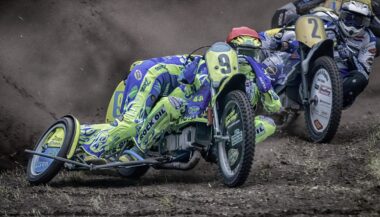
In the thrilling world of team speedway, the choice of bikes and gear can significantly influence performance. Most experts agree that a high-quality speedway bike offers critical advantages such as speed, maneuverability, and stability. Riders often look for features like lightweight materials, powerful engines, and aerodynamic designs. Team dynamics also play a role; different bike setups can complement a rider’s unique style. The right gear, including helmets and protective clothing, ensures safety while enhancing performance. In this arena, every detail matters, from the selection of tires to the calibration of suspension systems. Additionally, brands like KTM and GTR have established themselves as leaders in speedway technology. These manufacturers offer innovative designs that cater to both novice and expert riders. Riders need to consider personal comfort when choosing equipment, ensuring that the bike fits their dynamics on the track. Investing in high-quality gear can lead to improved lap times and overall performance. Thus, understanding the essentials of speedway bikes and gear is crucial for any team aiming to achieve success on the track.
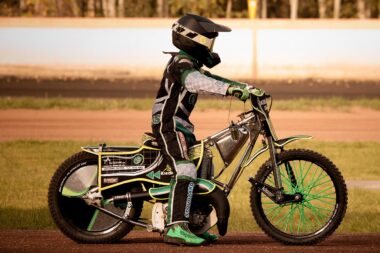
The technical specifications of speedway bikes are diverse yet crucial for competitive racing. Commonly, a speedway bike has a four-stroke engine without brakes, designed to run on methanol fuel. This feature allows for faster acceleration and generally higher speeds. Riders must adjust their bikes for optimal performance; settings for the ignition timing and the air-fuel mixture can be markedly different from traditional motorcycles. In addition, the gear ratios require careful consideration, which influences both top speed and acceleration levels. Durability is just as important; the frames are specifically constructed from aluminum or steel to withstand the rigors of racing. Moreover, many teams invest in getting the best wheels, ensuring that they have adequate grip and stability during cornering. For those new to the sport, many brands offer beginner-friendly models, while experienced riders tend to favor custom setups. Team speedway racing demands a balance of technology and rider skill, making it essential to comprehend each component’s impact on overall performance. Therefore, proper research and investment in both bikes and gear are indispensable for aspiring teams in the speedway arena.
Essential Gear for Team Speedway
When it comes to team speedway, having the right gear is as critical as the bike itself. Helmets are non-negotiable; they must comply with safety standards while also being lightweight and comfortable. Many riders prefer helmets with advanced ventilation systems for long races, allowing airflow to keep them cool. Additionally, padded clothing, including jackets and pants, helps protect against abrasions. Many riders opt for leather suits for their durability and resistance to wear. Moreover, protective gloves improve grip and maintain control while also safeguarding against impacts. Choosing the appropriate footwear is equally important; rigid boots provide both support and protection. Riders also need to wear knee braces to reduce the risk of injury during falls. Beyond physical gear, mental preparation is vital; developing a routine helps riders concentrate as they race. Along with the physical aspect of gear, nutritional strategies must not be overlooked; optimal hydration and fueling are essential for peak performance. Therefore, equipping the team with both protective and performance-enhancing gear ensures safety and improves the competitive edge on the track.
Another essential aspect of team speedway is the role of teamwork and communication during races. Effective collaboration can significantly impact a team’s performance, facilitating strategic positioning and maneuvers. Successful teams often incorporate communication devices, allowing riders to exchange crucial information quickly. Understanding the racetrack and each other’s strengths enhances overall team coordination. This information sharing can include anything from signaling for a lead change to alerting teammates about approaching competitors. Additionally, pre-race discussions focus on tactics, helping team members align their strategies before the competition begins. Trust among team members is paramount; reliance on each other’s skills creates a cohesive unit that can respond to challenges rapidly. Practice sessions provide opportunities to strengthen these dynamics, allowing teams to refine their strategies further. Many champions believe that the synergy between riders often leads to better results than individual efforts. Team members who understand their roles and responsibilities can significantly boost confidence and performance levels. Ultimately, fostering a culture of mutual respect and teamwork is vital for success in the competitive world of team speedway.
Performance Analysis Techniques
Analyzing performance is a critical component for teams looking to excel in speedway racing. Utilizing advanced data analytics can provide insights into both rider and bike performance. Many teams employ telemetry systems that collect data on speed, lap times, and even tire wear during practice and races. This information helps identify strengths and areas for improvement. Moreover, video analysis is emerging as an essential tool, enabling teams to review race footage and assess the tactical decisions made during races. Insights derived from both data and visual assessments can help refine strategies and rider approaches. Additionally, setting up regular team meetings to discuss findings fosters a culture of continuous improvement. Riders can learn from each other’s experiences, which enhances their skillset. Implementing feedback loops allows teams to make adjustments not just to the bike but also to technique and strategy. Higher success rates are often attributed to not merely riding but studying the nuances of racing performance. Therefore, performance analysis techniques are indispensable for teams striving for excellence in the high-speed, competitive environment of team speedway.
Financial considerations also play a vital role in team speedway, encompassing everything from equipment expenses to team management costs. Budgeting effectively is necessary for teams to sustain performance levels without compromising quality. A well-rounded financial plan should include funding for bike maintenance, spare parts, and upgrades as technology evolves. Investing in research and development can yield significant dividends, improving performance and reliability over time. Sponsorship can alleviate some financial burdens; advertising partnerships can lead to more commercial opportunities. Teams should build strong relationships with sponsors, maximizing brand visibility while enhancing revenue streams. Furthermore, marketing efforts can help draw attention to the team, attracting more fans and potential sponsors. It’s crucial to analyze expenses versus potential returns on investments. Specialized gear often holds the costs that can strain budgets, but these investments are generally justifiable for the safety and performance they ensure. Long-term planning is essential to ensure that funds are allocated efficiently. Ultimately, strong financial management is essential for success and sustainability in the fast-paced world of team speedway racing.
Future of Team Speedway
Looking ahead, the future of team speedway appears promising with advancements in technology and growing interest in the sport. As manufacturers innovate, we can expect to see even more efficient and faster bikes hitting the tracks. Electric speedway bikes are on the horizon, which could transform the racing landscape, offering greater sustainability. Increased attention towards eco-friendly options aligns with global sustainability goals, attracting new audiences. Moreover, the integration of smart technology in gear is expected to enhance rider performances further. Devices that monitor heart rates and fatigue levels can help teams optimize training regimens. Promoting inclusivity and accessibility within the sport is another area for growth. Engaging younger riders and developing grassroots programs can lead to the next generation of speedway athletes. Additionally, advancements in safety protocols will further encourage participation, mitigating risks associated with the sport. Local and international events will play a crucial role in expanding the sport. Overall, as team speedway evolves, those involved must remain adaptable and forward-thinking. Building on innovation and community engagement will be key strategies for success in this thrilling racing format.
In conclusion, team speedway is an exhilarating sport requiring precision equipment, strategic teamwork, and continuous improvement. Through analyzing the best bikes and gear, teams can optimize performance and ensure rider safety. Riders who invest in quality helmets, suits, and bike components are more likely to succeed and enjoy the ride. Communication during races enhances tactical effectiveness, with data analytics providing an edge. Furthermore, understanding financial aspects ensures viable team operation, allowing investments in performance-enhancing gear. The future of speedway racing looks bright with technological innovations paving the way for sustainability and performance. Programs targeting youth engagement and enhancing diversity will be essential for the sport’s growth. Therefore, teams must embrace change and adapt proactively to maintain competitive advantages. Ultimately, enthusiasm for team speedway drives all involved, from riders to fans. Sharing in the excitement and challenges creates a strong community tied together by a shared passion. In order for teams to thrive, embracing collaboration, innovation, and reliability will set the standard for success in team speedway racing.