
Kitesurfing Etiquette: Respecting Others on the Water
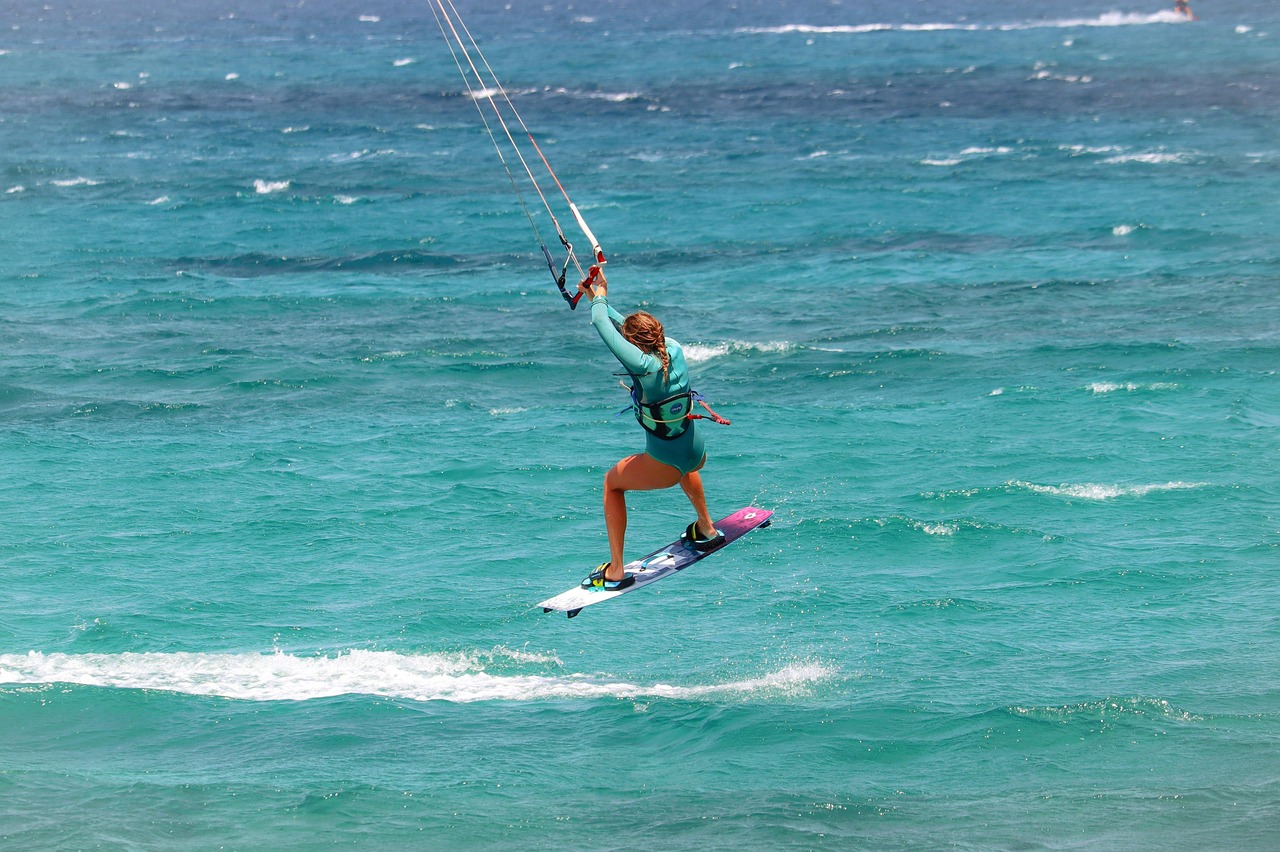
Kitesurfing is an exhilarating sport that combines the thrill of windsurfing, surfing, and paragliding. However, to enjoy the sport fully, one must understand the importance of etiquette on the water. Guidelines help maintain safety and foster good relationships among kitesurfers. Adhering to these rules not only keeps participants safe but also enhances their experience. Another major factor involves understanding right of way while riding. Right of way rules dictate who can go first during a session. This clarity helps prevent collisions and accidents while allowing everyone to enjoy the wind and waves. Additionally, being aware of one’s surroundings and respecting fellow kitesurfers is critical. Avoid aggressive maneuvers that may disrupt others, and consistently keep an eye out for incoming kiters. Always communicate intentions through gestures, letting others know your next movement. Furthermore, it is essential to be mindful of launching and landing your kite. Proper spacing can greatly influence the safety of others in your vicinity. Overall, being considerate will not only benefit you but will also build a more supportive kitesurfing community. Join in, abide by the rules, and let’s make the water a better place for everyone.
To kick off, utilizing local resources can significantly enhance your kitesurfing skills. Websites, forums, and local schools often have guidelines and tips. Moreover, consider joining local kitesurfing groups on social media to connect with other enthusiasts. These groups are a treasure trove of advice, weather updates, and event invitations. Ensure that you familiarize yourself with the area where you’re kiting. Knowing the tide schedules, wind patterns, and potential hazards like sandbars or rocks is invaluable. Besides, respect those who may be less seasoned. Offering assistance or sharing knowledge can cultivate a friendly atmosphere and promote camaraderie. It’s important to extend this respect to instructors and their students. If you see lessons taking place, maintain a respectful distance to prevent interference. Moreover, expressing gratitude to those providing valuable insights is always appreciated. Another critical etiquette aspect revolves around the use of public beaches. Cleaning up after yourself ensures cleaner, safer environments for everyone. Those engaging in kitesurfing often feel connected to the ocean. Thus, maintaining its cleanliness breathes life into the communal spirit. As you continue to enjoy kitesurfing, remember these guidelines to create idyllic experiences for yourself and other enthusiasts.
Another vital etiquette aspect to consider is staying aware of the wind direction and water currents. Understanding these dynamics can not only enhance your performance but also help to keep you and others around you safe. It is crucial to follow the predetermined launch and landing zones established in your local spots. This reduces the risk of collisions with other kitesurfers, swimmers, or bystanders. If you’re unsure about the procedures, asking experienced kitesurfers or instructors is a wise decision. Furthermore, maintaining a safe distance from others while practicing your tricks is key. Dangerous maneuvers should be performed when there is ample space. Always watch for nearby kiters and alert them if necessary. Sticking to designated areas, especially if you’re performing techniques that require significant space, can prevent unforeseen accidents. Additionally, while waiting your turn, utilize the downwind zone to avoid interfering with active riders. It’s essential to be patient and wait for a clear entrance into the riding area. Furthermore, always check your gear before hitting the water. A well-maintained kite and board are not only crucial for displacement but also for the safety of everyone around you.
Communicating on the Water
Effective communication plays a significant role in kitesurfing etiquette. Ensuring others can perceive your intentions can significantly reduce the risk of collisions. Use clear hand signals and gestures, especially when you’re launching or landing your kite. Expressing your next moves ahead of time prepares fellow riders for your actions. If you’re unsure of another rider’s intentions, it’s best to maintain a respectable distance. Another valuable point is to engage with fellow kitesurfers after each session. Sharing experiences and observations can improve safety for future outings and foster friendships within the community. Furthermore, discussing any points of confusion regarding protocols is vital to understanding each other better. Additionally, always remain humble and open to feedback. This fosters a learning environment and enhances mutual respect. Remember that every kitesurfer, regardless of skill level, has valuable insights to share. Take the time to appreciate what each individual brings to the sport. Finally, be observant about the weather. Bad weather can risk the safety of everyone on the water. If environmental conditions worsen, prioritize safety and inform others of any changing conditions around.
Being prepared for any situation is crucial in kitesurfing. The ocean environment changes constantly, thus bringing unpredictability. Always check your gear before each session, including your lines, harness, and safety releases. Ensuring that your equipment functions correctly is essential not only for you but also for those around you. Furthermore, be sure to carry a safety gear kit. Essential items may include a first-aid kit, a whistle, and a signaling mirror. In case of emergencies, having these tools at your disposal can save lives. Adequate hydration is also vital, so carry water and adjust your body to the weather conditions. Staying fit is an essential aspect that goes hand-in-hand with preparation. Regular fitness enhances endurance, and agility, helping you handle your board and kite better. Another significant point to highlight is the importance of understanding the tides. Tidal changes impact kitesurfing conditions, as they can either enhance or hinder your experience. Always check tidal charts or consult local experts prior to your session. Understanding these aspects will harmonize your riding time and strengthen your connection with the water.
Caring for the Environment
Kitesurfing is not only about enjoying the thrill but also about respecting our natural surroundings. As enthusiasts, we possess the duty to look after our oceans and beaches. Plastic waste and debris are often seen at kitesurfing spots. So, it is imperative to ensure that we clean our equipment and pack personal trash. Dispose of waste responsibly to protect marine ecosystems and the beauty of our coastline. Moreover, try to educate your peers about responsible practices. Forming small groups for beach clean-ups can make a significant impact while solidifying community bonds. Additionally, be mindful of wildlife. Many locations house sensitive species. Observe and respect nature; do not disturb nests or marine life. Your actions can contribute significantly to preserving these habitats for future generations. Also, stay informed about local regulations regarding kitesurfing locations, as these are sometimes enacted to protect wildlife or the environment. Consider participating in local conservation efforts. Working with organizations can help create a positive relationship between kitesurfers and conservationists. In conclusion, embracing environmental stewardship not only enhances kitesurfing experiences but also underscores the importance of cherishing our planet.
Lastly, integrating social responsibilities with kitesurfing etiquette is essential. As part of a broader community, we must embody values that promote safety and respect. Display kindness and sportsmanship to fellow riders, especially on crowded days. Here are some steps to enhance your sociability on the water: 1. Offer help to beginners or those in need. 2. Share tips, share the excitement, and enjoy each other’s company. 3. Encourage an inclusive environment for all skill levels. Always remember that we all started at the beginning. To strengthen kitesurfing culture, be an ambassador for respect and camaraderie. Show care for the environment and fellow surfers, fostering lasting relationships. Equip yourself with knowledge and experience, while being open to learning from others. Engage actively with the community, whether through social media or local clubs. Remember that engagement is part of the journey—support each other when challenges arise. Finally, ensuring everyone has fun in a safe environment reflects true respect and camaraderie. Kitesurfing isn’t just about riding; it’s about building a community that thrives on mutual respect. By adhering to kitesurfing etiquette, we can enjoy the water together harmoniously.