
Using Visualization to Promote Muscle Repair and Growth
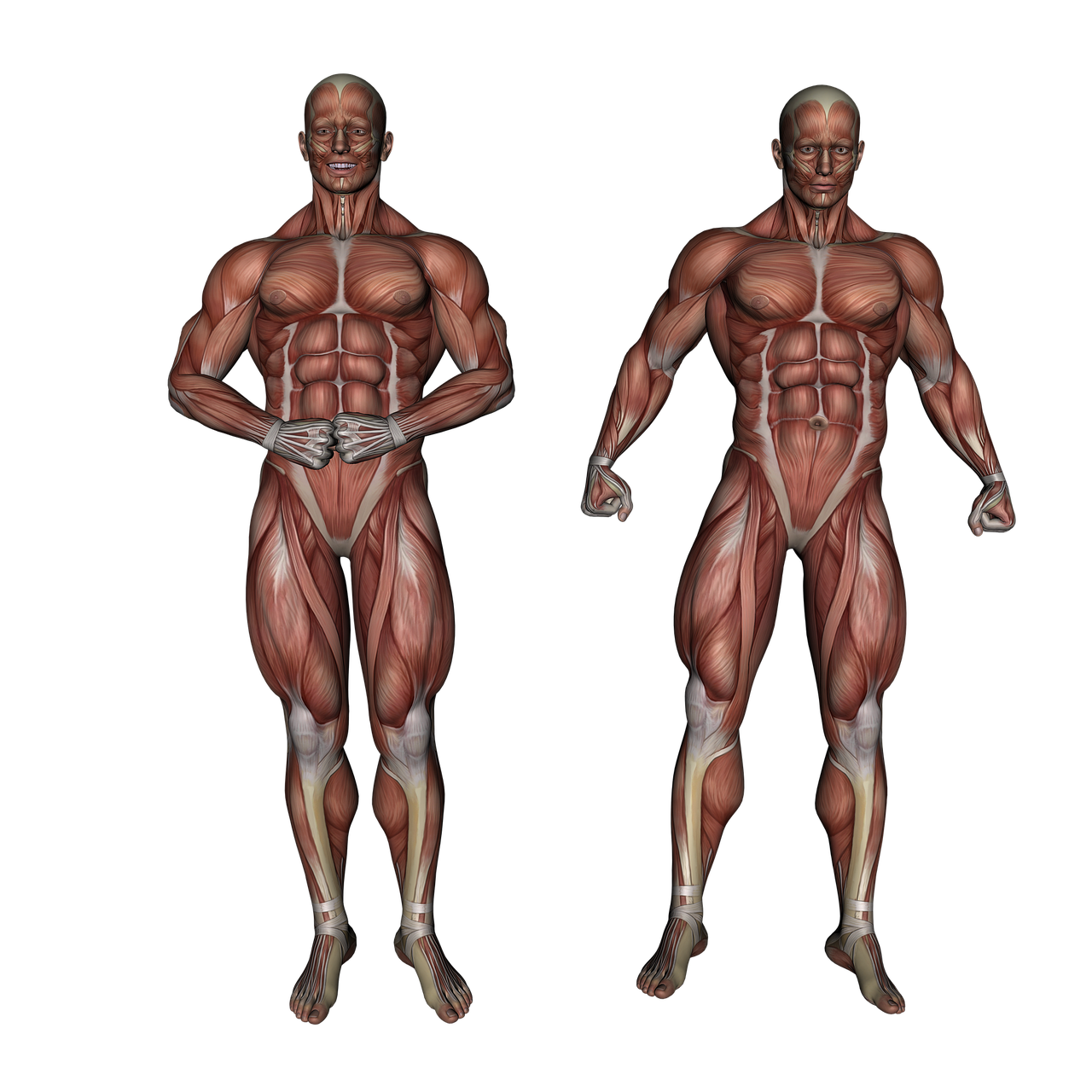
The mind-body connection is a profound area of interest in the healing process. Visualization techniques have gained traction in the context of stimulating muscle repair and growth. This approach utilizes the idea that our mental imagery can influence our physical reality. Athletes frequently engage in positive visualization, representing their recovery process in their minds. By vividly picturing their muscles repairing and growing stronger, they foster an environment of healing. Visualization taps into the brain’s power to affect bodily functions, improving recovery times. The strength of this connection also offers psychological benefits, enhancing motivation and reducing stress during rehabilitation. Visualization involves not just thought but also sensation. Feeling the muscles contracting and relaxing in the mind’s eye develops a deeper connection. This brings about a sense of empowerment and ownership over the recovery process. Moreover, studies show that regular visualization sessions can initiate physiological responses, including increased blood flow to targeted areas. This actively supports healing by delivering nutrients and oxygen necessary for rebuilding tissues. Integrating visualization into daily routines may thus offer a holistic approach to muscle recovery, merging body and mind for optimal results.
This technique serves to reinforce the belief that muscle recovery is possible and achievable.
Understanding the Science Behind Visualization
Studies have shown that the brain cannot easily distinguish between real and vividly imagined experiences. In physical rehabilitation, this means that engaging in visualization can stimulate similar muscle responses as actual workouts. Neuroplasticity, the brain’s ability to reorganize itself, plays a crucial role here. By imagining specific muscle movements, neural pathways are activated, which enhances muscle memory and coordination. This neural engagement can lead to real physical changes over time, sparking muscle repair processes. Additionally, visualization can contain positive affirmations that reinforce the perception of strength and vitality. This mental imagery effectively creates a narrative that encourages recovery. Many practitioners recommend combining visualization with physical exercises. For instance, nursing an injury can lead to muscular atrophy; however, while visualizing movements, the brain sends signals to the muscles to ‘stay awake.’ This act helps maintain some muscle tone and prepares the body for physical activity post-injury. Tapping into the brain’s capabilities to influence physical recovery leads to breakthroughs in rehabilitation. Therefore, visualization plays a pivotal role in merging mental practices with physical health, amplifying the healing potential, and promoting muscle repair and growth effectively.
Incorporating mental imagery enhances traditional healing processes significantly.
Practical Techniques for Effective Visualization
To harness visualization effectively, individuals should establish a quiet environment that fosters concentration. Beginning with deep breathing exercises can center the mind and enhance focus. Following this, one should close their eyes and visualize the healing process in detail. For instance, picturing an injury site illuminated with healing light can create a positive mental image. It’s essential to incorporate sensory details into the visualization. This can include imagining the warmth of the sun or the sensation of muscles contracting throughout the process. Regular practice, ideally daily, solidifies these mental pathways. The duration of sessions can vary but should last at least ten to fifteen minutes for optimal benefits. Keeping a journal may also help, documenting thoughts and emotions tied to the visualization process. This reflection could lead to self-discovery and deeper insights into one’s healing journey. Engaging in these practices collectively facilitates a comprehensive approach, integrating both mental and physical components. The effectiveness of visualization relies heavily on consistency and belief in its power, making commitment crucial for anyone aiming to promote muscle repair and growth. Over time, noticeable progress in both mind and body becomes possible.
Practicing consistently enhances the impact on physical recovery.
Case Studies and Real-Life Examples
Numerous athletes and patients have successfully used visualization techniques to expedite recovery. One notable example is Olympic athletes who often practice visualization to maintain form and function during injuries. They visualize every detail, from executing a jump to the muscle engagement involved. This technique has seen significant results, where athletes return from injuries quicker and perform at their peak levels. Another example is patients undergoing rehabilitation from surgeries. Many report using vivid mental scenarios to envision their return to sports or daily activities. These positive visualizations lead to improved motivation and a decrease in perceived pain levels. Through behavioral changes linked to their visualizations, individuals begin to see their capabilities change. The act of seeing themselves healthy and active translates directly into their physical state. Research on patients using visualization has associated higher satisfaction with their recovery outcomes. In addition, athletes often share testimonials regarding visualization’s role in enhancing their physical prowess. The connection between successful outcomes and mental imagery marks a significant advancement in rehabilitation methods. Personal stories emphasize this transformation, demonstrating tangible effects on sport and health in those committed to the process.
Such reports fuel interest in integrating visualization into mainstream rehabilitation practices.