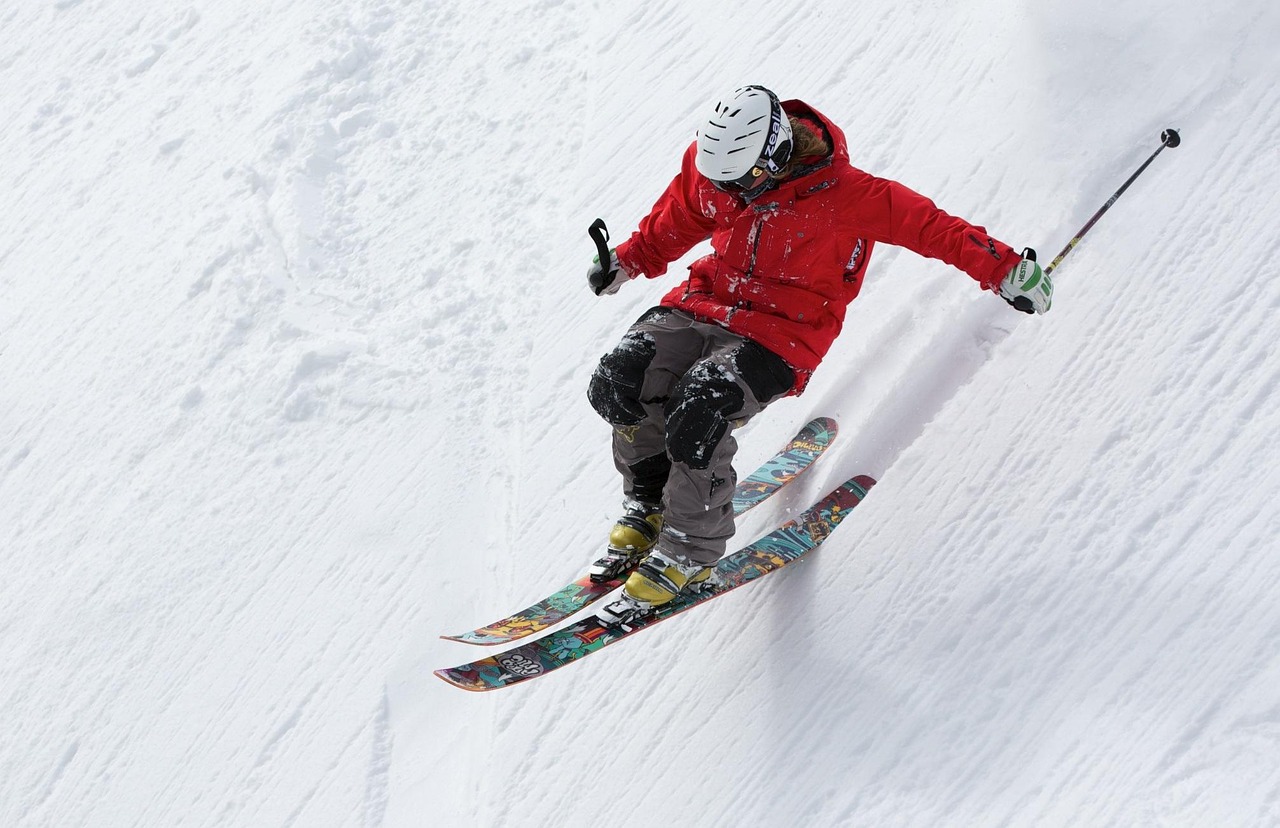

Winter Sports and Foot Biomechanics: Unique Challenges
Foot biomechanics play a pivotal role in winter sports performance and safety. Winter sports such as skiing, snowboarding, and ice skating impose distinct physical demands on the feet and lower extremities. The biomechanical properties of the foot, including load distribution and motion dynamics, are crucial for athletes engaging in these activities. Understanding how the foot interacts with the ground and the sport equipment is essential. For example, ski boots and snowboard boots are specially designed to enhance performance by providing stability and support. Athletes need to ensure their footwear fits properly to minimize the risk of injuries.
One key aspect of foot biomechanics is understanding the forces acting upon athletes during their activities. As athletes engage in high-speed maneuvers, the biomechanics of the foot adapts to sudden changes in direction. This adaptability is critical for maintaining balance and preventing falls. Moreover, the foot’s ability to absorb shock contributes to reducing joint stress, ensuring overall biomechanics remain efficient. Footwear technology has evolved, offering improved cushioning and support to enhance performance while mitigating potential injury risks. Athletes are increasingly aware of the importance of biomechanical assessments to refine their movements.
Impact of Terrain on Foot Biomechanics
The type of terrain athlete’s encounter greatly influences foot biomechanics. Hard-packed snow, ice, and powder require varying techniques and adaptations in foot movement. For instance, skiing on icy surfaces necessitates precise control and agility whereas deep powder skiing demands greater adaptability in foot positioning. Additionally, the biomechanics involved in snowboarding will alter based on slope type and snow texture. Understanding these variations is essential for optimizing performance. Advanced restoration techniques, such as proprioceptive training, can significantly enhance athletes’ responses to terrain challenges.
Furthermore, injuries prevalent in winter sports often stem from foot biomechanics issues. Conditions like plantar fasciitis, ankle sprains, and metatarsal fractures can result from improper foot mechanics and inadequate footwear. It is crucial for athletes to receive personalized assessments and interventions to improve their foot biomechanics. Techniques include custom orthotics and specialized strength training. Employing these strategies empowers athletes to improve on-field performance while reducing injury risks. Early identification of biomechanical problems can lead to prompt intervention and recovery strategies.
Role of Footwear in Biomechanical Performance
Footwear innovation has transformed the landscape of winter sports footwear, enabling enhanced biomechanics. Modern snow sports footwear employs advanced materials aimed at optimizing foot stability and comfort. For example, intuitively designed insoles help with arch support thus enhancing load distribution during sports activity. Effectively designed boots prevent unnecessary movement within the boot, providing better control, pivotal for effective performance. The selection of appropriate boots can significantly impact foot health and overall athletic performance, highlighting the importance of understanding specific biomechanical needs.
Moreover, terrain-specific footwear plays a vital role in effectively addressing unique biomechanical challenges. Custom-fit boots ensure a snug fit, vital for a secure connection between the foot and the board or ski. A balance must be found between stiffness for control and flexibility for comfort to cater to each athlete. As athletes test different footwear, they can develop insights regarding how variations in footwear impact their biomechanical movements in diverse terrain. These insights can lead to better adaptation strategies, improving their performance.
Preventive Measures for Long-Term Health
Regular assessment and training focused on foot biomechanics can potentially mitigate injuries. Balancing exercises specifically targeting foot muscles enhance a sportsperson’s adaptability and strength during intense activities. Identifying early signs of foot issues is vital for ensuring long-term health, allowing athletes to take precautionary measures before they develop chronic problems. Additionally, cross-training provides varied movements, helping in overall muscle development as well as biomechanical stability during winter sports, further minimizing injury incidence. Proper education on foot care routines is equally essential.
Ultimately, understanding foot biomechanics in winter sports is a pathway to improved performance and injury prevention. Athletes should work closely with professionals knowledgeable in biomechanics to tailor their training according to individual foot needs. Monitoring not only enhances athletic performance but can help sustain their passion for winter sports. Emphasizing education about biomechanics, training, and proper footwear will provide foundational tools that benefit sports enthusiasts and professional athletes alike. Investing in foot health is a commitment to enjoying an active lifestyle safely and effectively.