
The Influence of Neurofeedback Technology on Athletic Performance
Neurofeedback technology has become increasingly popular in sports psychology, providing athletes with valuable insights into their mental states. This emerging field utilizes real-time displays of brain activity, allowing athletes to gain awareness and control over their psychological processes. By monitoring brain waves, athletes can learn to regulate their emotions and mental focus, contributing to improved performance in highly competitive environments. Studies have shown that neurofeedback can enhance concentration, reduce anxiety, and improve overall mental resilience. For example, elite athletes often experience pressure that can inhibit their performance. Neurofeedback training helps them develop coping strategies to manage stress effectively. Furthermore, this technology can assist athletes in entering a state of flow, where optimum performance occurs, due to heightened focus and diminished distractions. As the sports industry grows, integrating neurofeedback into training regimens becomes a pivotal tool for maximizing an athlete’s potential. This training can lead to significant improvements in cognitive functions, which are critical during competitions. Therefore, understanding the role of neurofeedback in sports can revolutionize how athletes approach mental training and performance enhancement.
The Mechanism of Neurofeedback Technology
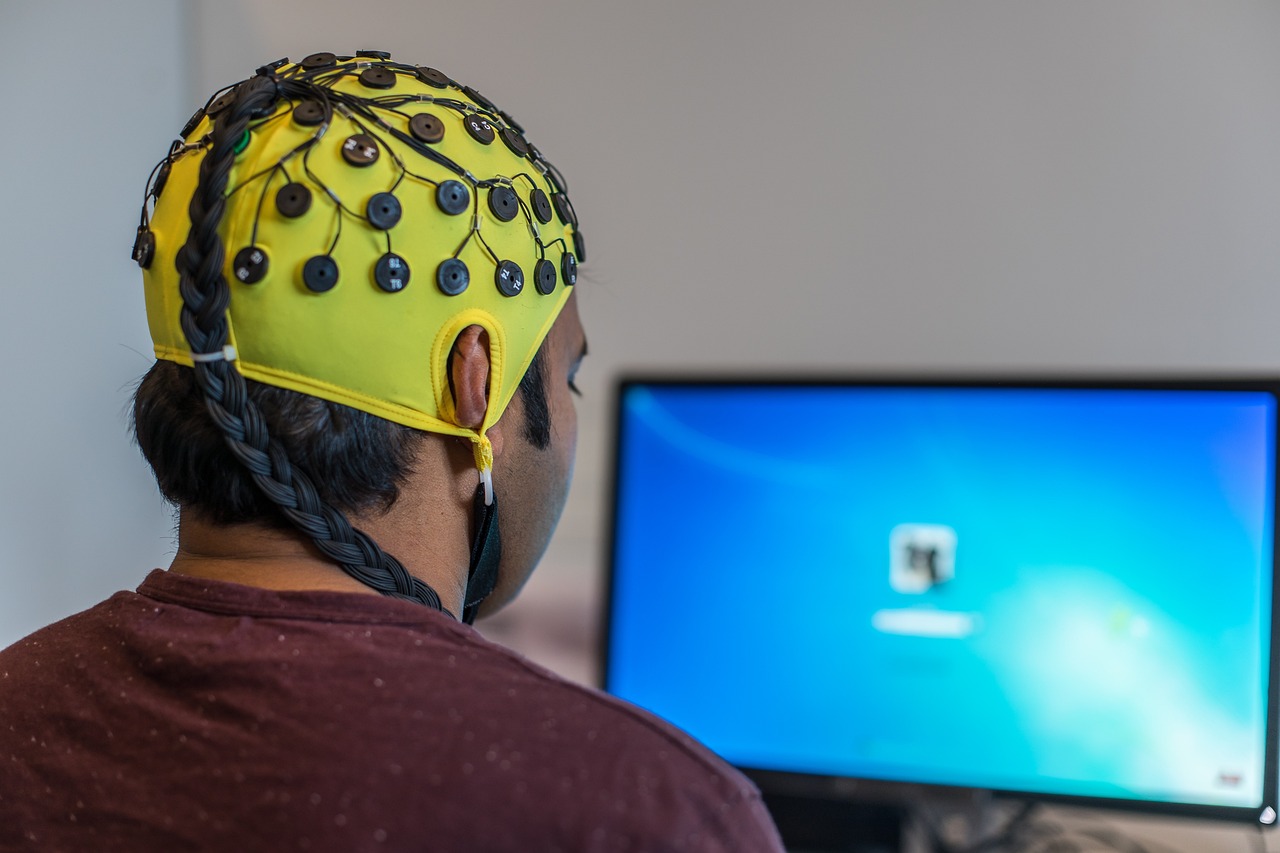
Neurofeedback technology operates on the principle of operant conditioning, where athletes receive feedback about their brain activity. The primary aim is to teach self-regulation through reinforcement techniques. During a neurofeedback session, athletes wear sensors that monitor their brain waves while engaging in specific tasks. This feedback helps them identify optimal mental states necessary for peak performance. Different mental states correspond to specific brain wave patterns, such as alpha, beta, and theta waves, each associated with different cognitive functions. By increasing or decreasing these waves, athletes can learn to enhance focus or relaxation. For example, when aiming to improve focus, athletes may be encouraged to increase beta waves while reducing theta waves. The immense adaptability of the brain allows athletes to train their minds just as they train their bodies. Incorporating this technology can lead to profound transformations in athletic performance. Athletes may experience enhanced cognitive clarity, emotional regulation, and ultimately, superior results in their competitions. Research indicates that consistent neurofeedback training can lead to sustained improvements, showcasing its potential as an invaluable tool for sports psychology.
Neurofeedback technology has been used successfully among various sports disciplines, including basketball, soccer, and swimming. Each sport presents unique challenges that athletes must face regarding mental toughness and concentration. For instance, basketball players can utilize neurofeedback to enhance shooting accuracy by training their focus and reducing performance anxiety. Soccer players can benefit from improved decision-making skills, ensuring they perform optimally under pressure. Swimmers often deal with pre-race nerves, where neurofeedback is instrumental in fostering a calm, focused mental state before they dive into the pool. Success stories from elite athletes using neurofeedback highlight the method’s effectiveness, proving it enhances concentration and emotional control. This widespread application across various sports speaks volumes about the technology’s versatility and effectiveness. As anecdotal success continues to mount, more athletes and coaches are integrating neurofeedback into training routines. Ultimately, the broader acceptance of neurofeedback within sports psychology reflects a progressive shift toward utilizing technology to refine mental preparations. The possibilities within this realm are continuously expanding, paving the way for a new generation of athletes who can harness the power of their minds as part of their training routine.
Benefits of Neurofeedback for Athletes
Neurofeedback offers numerous benefits to athletes striving for peak performance. One of the most significant advantages is enhanced focus. Many athletes struggle with distractions, both from external sources and internal pressures. Neurofeedback training empowers them to hone their concentration skills, essential for executing techniques successfully. Additionally, this technology promotes emotional regulation, helping athletes manage excess stress and anxiety levels during competitions. Improved emotional stability allows for better decision-making and performance consistency under pressure. Research indicates that athletes using neurofeedback demonstrate improved reaction times, which can be pivotal during competitions where milliseconds matter. Furthermore, neurofeedback increases self-awareness, fostering a deeper understanding of mental and emotional triggers. This awareness is crucial for self-improvement and performance enhancement. Successful athletes recognize that their mental game is just as important as physical conditioning. Therefore, incorporating neurofeedback into training programs provides a distinct advantage over competitors who may overlook mental preparation. Continued use of neurofeedback can also lead to long-term changes in behavioral patterns and mental resilience, essential qualities for every athlete aiming to achieve excellence in their sports.
Despite its clear advantages, there are challenges and criticisms associated with neurofeedback technology in sports psychology. Some skeptics argue that the scientific backing for its effectiveness is limited. While many studies have reported positive outcomes, comprehensive and standardized research can be lacking. This raises concerns about the reliability and long-term benefits of neurofeedback. Furthermore, the accessibility of neurofeedback technology can be a barrier for many athletes. High-quality neurofeedback training requires specialized equipment and trained professionals, which may not always be available to all athletes or teams. Budget constraints play a significant role in limiting the integration of this technology in some sporting organizations. Moreover, individual differences in response to neurofeedback can lead to variability in results. Not every athlete will experience optimal benefits, as personal factors such as mental health status and baseline cognitive functions influence outcomes. Consequently, while neurofeedback holds promise, it is imperative to approach it as a complementary tool rather than a guaranteed solution. Coaches and athletes should be well-educated about its potential benefits and limitations before integration into training practices.
The Future of Neurofeedback in Sports
The future of neurofeedback technology in sports psychology looks bright as advancements continue to push boundaries. As more athletes embrace the mental aspect of performance enhancement, demand for neurofeedback systems will likely increase. Innovations in technology can lead to more user-friendly devices, making them more accessible to a wider range of athletes. Integration with wearable technology may further enhance neurofeedback training, allowing athletes to track their brain activity in real-time during training and competitions. As research continues to investigate the effectiveness of neurofeedback, we may see an increase in scientific literature supporting its use in sports. For instance, longitudinal studies may help establish the best practices for implementing neurofeedback into various sports disciplines. Furthermore, as athletes increasingly recognize the importance of mental preparation, coaches may prioritize neurofeedback training alongside traditional physical conditioning programs. Collaboration between neuroscientists, sports psychologists, and technology developers will foster innovative solutions tailored to athletes’ needs. The convergence of science and technology is set to revolutionize how athletes approach their training regimens, ensuring mental conditioning is not overlooked in pursuit of excellence.
As more success stories emerge and the growing body of evidence supports neurofeedback’s effectiveness, further integration within professional sports is inevitable. This application can serve as a game-changer for athletes seeking competitive edges. Coaches and sports psychologists must share their knowledge about neurofeedback’s potential, spreading awareness among athletes about its benefits. Moreover, educational programs can be developed to provide athletes with foundational understanding and tools for implementing neurofeedback into their training routines. Investing in neurofeedback resources will pay dividends, resulting in improved individual performances and team success. Furthermore, fostering an environment that encourages mental health discussions within sports will aid in overcoming the stigma surrounding mental training. Athletes must recognize that mental health is just as crucial as physical training in their overall performance. By openly discussing mental health and integrating neurofeedback, sports organizations will create healthier athletic environments. Doing so empowers athletes to leverage their psychological strengths alongside their physical abilities. As we look to the future, creating a balance between body and mind in sports will undoubtedly lead to innovative training practices and superior performance outcomes.
Neurofeedback represents a critical evolution in the intersection of sports and psychology. This technology provides athletes with the tools necessary to unlock their mental capabilities, enabling them to achieve extraordinary levels of performance. By focusing on the inner workings of their minds through brain wave training, athletes can significantly improve their mental game. The result is a more holistic approach to athletic training, where both the body and the mind work in harmony to achieve success. As more athletes recognize this synergy, neurofeedback will become an essential component of sports psychology. Therefore, it’s vital to continue advocating for the integration of neurofeedback into sporting disciplines, emphasizing its role in achieving peak performance. Furthermore, the dialogue surrounding mental health in sports must evolve, creating an understanding that athletes are not just physical beings but complex individuals with mental landscapes requiring attention. Emphasizing mental training alongside physical conditioning opens doors for comprehensive athlete development. In summary, as the influence of neurofeedback solidifies, it may transform how sports psychology is practiced, leading to remarkable advancements in athletic performance and overall well-being.