
How to Handle Swim Meets: Tips for Coaches
Preparing for a swim meet can be stressful, both for the athletes and coaches alike. It is crucial for coaches to establish a clear plan before the competition. Begin by ensuring that all swimmers understand the schedule, including warm-up times and heats. Providing each athlete with a detailed timeline can boost their confidence and readiness. A positive environment is vital; offer words of encouragement and focus on building teamwork. Remind swimmers to enjoy the experience while competing since this is both a test of skills and personal growth. As a coach, keeping an eye on the emotional well-being of the athletes can often be just as important as their physical preparation. Discuss routines they can follow before they compete. This helps reduce nerves and keeps their focus where it needs to be. Coaches should also prepare for unforeseen circumstances, such as lane changes or sudden weather issues. Having contingency plans allows for quick adaptation, ensuring that swimmers remain calm and collected. Involving athletes in setting expectations can also empower them and help reduce anxieties surrounding race day. Giving feedback post-race is essential for development, fostering improvement, and maintaining motivation.
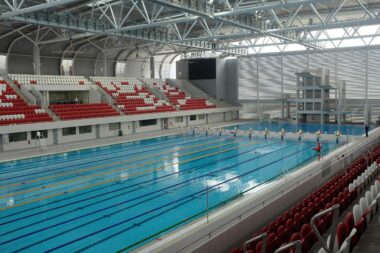
Before the meet, it is essential to review the swim meet format with your team. Explain how events are organized, from heats to finals. By being transparent about what to expect, the athletes will have more confidence swimming their races. Offer practice sessions that simulate the meet environment; this could help ease pre-race jitters. Encourage swimmers to familiarize themselves with the venue layout, including locker rooms, warm-up pools, and spectator areas. Having this knowledge can lead to increased comfort on race day. Remind athletes to stay hydrated and eat well leading up to the competition. Preparation is key — consider organizing a team dinner before the meet to not only fill their stomachs but also strengthen team bonds. Creating a supportive and motivating atmosphere can lead to better performance. As a coach, it is essential to balance constructive criticism with positive reinforcement. Acknowledging both successes and areas for improvement after each event encourages growth. Conduct meetings to reflect on the experience together as a team. Celebrate achievements and encourage each swimmer to share personal goals for future races. This practice helps foster a growth mindset.
Creating a Competitive Yet Fun Environment
Swim meets can become highly competitive; however, it’s important to instill a sense of enjoyment among the team. Coaches should strive to create a supportive team culture, emphasizing that improvement matters more than winning. Provide swimmers with the right tools to channel pre-competition nerves positively. These can include breathing techniques or visualization strategies. Teach athletes how to focus their energy productively before their races. Moreover, organizing fun team-building activities before the competition helps strengthen relationships within the group. Activities can include games or motivational talks that boost morale. Make time to acknowledge every swimmer’s efforts, regardless of their performance. Focus on personal bests and how far they’ve come, reinforcing that swimming is a lifelong journey. Additionally, celebrate the contributions of all team members, regardless of their swimming category. Inform athletes that teamwork means cheering each other on is crucial. The excitement of the competition should not compromise the camaraderie built through training. Create a ritual or tradition unique to the team to enhance these bonds. This could be a cheer before races or a post-event gathering where team members share their experiences and laugh together.
During the swim meet, maintaining communication is vital. Keep an eye on swimmer performances, and encourage them to stay engaged and support teammates. Actively managing their mental states is essential. This might include checking in with them before, during, and after their races. If a swimmer appears nervous or distracted, step in to provide a calming presence. Remind them of their preparation and potential, fostering confidence without pressure. Be attentive to injuries or exhaustion; swimmer health should always take precedence. If necessary, consult the medical staff, and prioritize athlete welfare. Apart from monitoring individual performances, create opportunities for collective cheers. Involve the entire team in encouraging their teammates during heats and finals. Organizing a designated cheering section ensures that there is a solid support system for every swimmer. Doing so boosts morale and creates a lively atmosphere among the spectators. Reinforcing camaraderie increases overall enjoyment for both swimmers and spectators. Additionally, consider organizing prizes for effort and improvement, rather than only for time. This approach can often lead to increased enjoyment and motivation for athletes to give their best.
Post-Meet Analysis and Feedback
After the swim meet, conducting a thorough analysis is crucial. Gather the athletes together to discuss their experiences and feelings about performances. Encourage them to share any challenges faced and insights gained. Highlight both achievements and areas that need improved performance. This balanced review helps swimmers understand that progress takes many forms. Incorporate video analysis if available; visual footage can provide invaluable insights into technique and performance improvements. Discuss stroke efficiency and race strategy while reviewing their races. Highlight individual tendencies and suggest adjustments, aiding overall development. Encourage swimmers to establish personal goals based on their experiences from the meet. Setting realistic objectives for improvement enables athletes to mentally prepare for future events. Suggest that they write down these goals to track progress. Coaches should also consider gathering feedback on their coaching methods. This will create an environment where athletes feel heard and valued. Prompt feedback sessions can enhance trust between swimmers and coaches. Empathetic listening can lead to a more cohesive team environment moving forward. Celebrating the team’s journey, regardless of results, engenders motivation and determination to continue swimming.
In terms of overall swim meet strategy, communication and planning once again take center stage. Before the event, ensure that all administrative tasks are organized, such as entries and logistics. Make sure all necessary equipment is on hand and accessible to avoid last-minute scrambles. Allocate roles among coaching staff to oversee swimmers and areas like warm-ups and recovery. Sharing responsibilities allows for a more effective and organized meet experience. Motivating coaches among staff fosters a collaborative atmosphere while ensuring all athletes receive attention and guidance. Set up designated meeting points and times for athletes to regroup during the meet. This serves to enhance team identity and solidarity. Post-meet, it is beneficial to evaluate the camaraderie in the group, ensuring that connections deepen beyond competitions. Continue to build on the reflections shared with the team. Maintain ongoing progress updates, keeping athletes engaged and motivated throughout the training season following the meet. Establish a culture where both successes and failures are opportunities for growth. Empower athletes to take ownership of their experience, resulting in lifelong lessons learned through swimming and healthy competition.
Conclusion: Nurturing Future Champions
Ultimately, handling swim meets effectively involves a combination of preparation, support, and reflection. As a coach, you have the responsibility to equip your athletes not just for competition but for enduring personal growth. Creating an environment where swimmers feel valued and heard encourages long-term commitments to the sport. Stay dedicated to continuously improving your coaching methods through feedback and adaptation. As you develop your coaching approach, remember the importance of fostering a positive environment. This encourages athletes to take pride in their efforts while nurturing both their competitive spirit and love for swimming. Emphasize the lessons learned from both successful and challenging experiences. Nurturing healthy leadership ensures that the next generation of swimmers becomes future champions. Focus on developing holistic athletes with a strong foundation, and prioritize emotional well-being alongside physical training. Take the time to build relationships, listen to their aspirations, and support their swim journeys. By implementing these structured tips, coaches can greatly influence their respective teams while instilling above-ground resilience. As a result, swimmers will not just perform at meets but thrive in the sport moving forward.
Remember, every swim meet presents its own unique challenges and learning opportunities. Embrace these moments as they will shape the athletes into better swimmers and individuals. In doing so, you are not only guiding them in their swim careers but also supporting their personal development. Ensuring athletes feel heard and that their opinions matter fosters a positive team dynamic, ultimately leading to greater success overall. Strengthening these relationships leads to improved communication and trust within the team, creating a supportive atmosphere. Encourage teamwork in all aspects of the swim experience, from training to competitions. This team spirit often propels individual performances, as swimmers push one another to excel. Spend time in early training sessions emphasizing collaboration and building those bonds. Give focus to the mental aspects of training. Developing mental toughness is just as important as physical strength, especially in high-pressure situations like swim meets. Dedicate time to help athletes develop coping strategies and to manage pre-race nerves. Building these mental skills is an investment in the future of every swimmer. Remember that cultivating a strong and cohesive team leads to better outcomes at swim meets and strengthens the swim community as a whole.