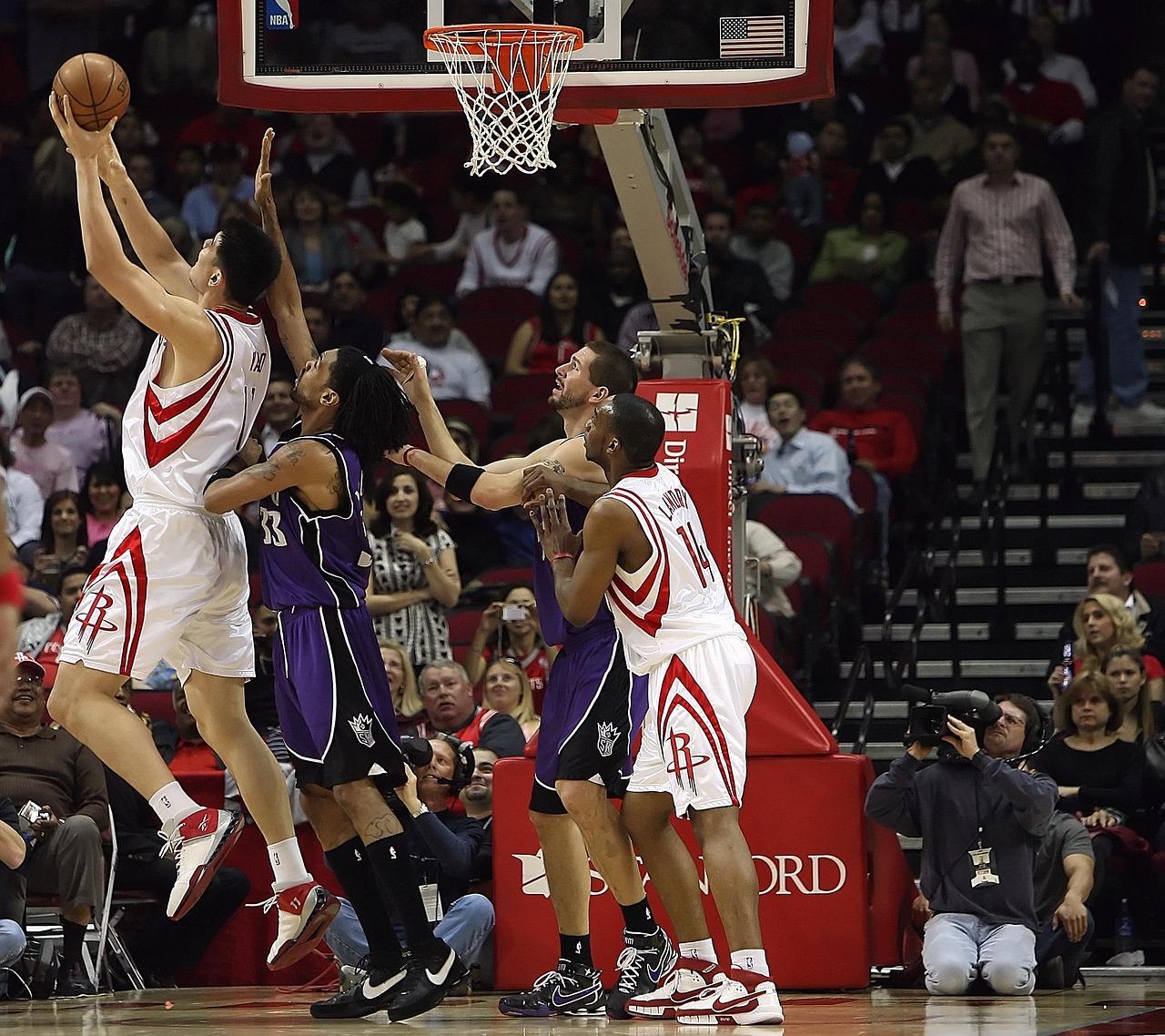

Understanding Offensive Strategies Through Game Film
Analyzing game film is crucial for understanding offensive strategies in basketball. This approach provides players and coaches with visual evidence of plays, decisions, and results in actual games. By reviewing footage, teams can identify effective offensive sets, player movements, and spacing arrangements. Coaches can highlight the success of various offensive strategies, including pick-and-rolls, isolation plays, and off-ball screens. Moreover, players become aware of their responsibilities within these offensive frameworks. This process of analysis influences practice sessions, as coaches can design drills based on observed strengths and weaknesses from game performances. Identifying specific patterns allows for better game preparation, enhancing teamwork on the court. By consistently examining film, a clearer understanding of defensive responses to particular offensive schemes emerges. This insight can shape future strategies and adapt tactics that exploit defensive lapses. Hence, the regular integration of film study into training routines is essential for maximizing a team’s performance during games. With technology advancements, accessibility to game film has transformed how teams approach preparation. The thorough study of game film ensures that basketball players develop not only individual skills but also a comprehensive understanding of how to execute their roles effectively during competitive play.
In basketball, offensive strategies can vary significantly based on the strengths of the team members. Coaches should leverage game film to assess which strategies align best with player capabilities. For instance, fast-paced offenses may suit athletic teams with players who excel in transition. This style emphasizes speed and quick scoring opportunities. Conversely, teams with strong individual scorers might benefit from slow, deliberate offensive sets that allow these players to create mismatches. Recognizing these trends within game footage facilitates more informed tactical decisions. Analyzing film also aids in discerning which plays successfully capitalized on defensive weaknesses. By understanding these dynamics, players can adapt their on-court decisions, making quick judgments during high-pressure situations. Film study encourages discussion within coaching staff, leading to strategical innovations or modifications. The feedback loop generated from game analysis enhances communication and collaboration between players and coaches, establishing a growth-oriented environment. Coaches can also introduce specific offensive concepts derived from successful plays observed in other games. By incorporating examples from different teams, players gain exposure to a variety of offensive techniques that enhance their overall game IQ and adaptability.
The Importance of Player Awareness
Player awareness is essential for executing offensive strategies effectively in basketball. Through game film analysis, players can identify how their actions influence the overall offense. Observing their movements and decision-making helps players understand their roles, creating a more cohesive unit on the court. This awareness not only contributes to individual performance but also directly enhances team dynamics. Players learn to anticipate teammates’ actions, leading to improved spacing and better shot selection. Game film study also highlights the significance of communication. Effective communication among players avails opportunities for assists, easy buckets, and overall fluidity on offense. Moreover, understanding the timing of movements, such as cuts and screens, is pivotal. Film analysis cultivates this timing, allowing players to sync their actions seamlessly. As players observe game footage, they may also spot opportunities for offensive rebounds or secondary scoring options not seen during live play. Experience gained through film can aid players in developing instincts, making them more effective in clutch situations. Consequently, dedicated film study sessions lead to a more synchronized understanding of offensive strategies, positively impacting a team’s competitiveness and resilience during games.
Offensive sets can be significantly improved through strategic film analysis. Coaches focus on examining specific plays to determine their effectiveness against various defenses. For instance, isolating plays can be adapted based on how defenders react to the initial drives. Recognizing these patterns allows for real-time adjustments, enhancing offensive productivity. Additionally, dissecting play execution during video analysis highlights the need for precise timing and spacing. By emphasizing these crucial elements, teams can ensure that players maximize their effectiveness during games. Identifying successful possessions in the film reinforces these concepts for players, allowing them to replicate successful actions. Furthermore, analyzing the distribution of touches remains vital to maintain motivation and engagement among players. Game film enables coaches to provide individualized feedback, ensuring that all players contribute to each offensive set. This fosters a sense of ownership and accountability within the squad. Players should also understand defensive responses tied to particular offensive strategies. Film study offers valuable insights into how opponents react, empowering players with knowledge to exploit such tendencies. With constant review and adaptation, offensive strategies become adaptive tools that can shift games in their favor.
Building Effective Communication
Effective communication is paramount in executing offensive strategies during basketball games. Game film analysis plays a vital role in fostering this communication. By reviewing footage together, players can better understand each other’s movements and intentions. This collaborative approach helps build trust as teammates learn to anticipate one another’s actions during live play. Encouraging discussions after watching film allows for strategic input and sharing of insights among players. When players identify issues that arose during the game, it opens avenues for improvements and learning. Consequently, clear communication fosters a shared language on the court, where players understand their roles in relation to offensive sets. Moreover, analyzing successful execution of plays emphasizes unity among the team. When players witness collective efforts leading to scoring opportunities, it reinforces the importance of working together. Coaches can instill confidence by noting players’ contributions, elevating their engagement levels. Building strong communication lines creates an environment where feedback is welcomed, encouraging an open dialogue for constant enhancement. This discussion around film analysis strengthens relationships, realizing that each player’s success is interconnected. By cementing this communication, teams can excel in executing intricate offensive strategies.
Scout reporting through game film analysis can provide invaluable insights that enhance offensive strategies. Reports crafted from watching opponents’ games reveal essential details about their defensive schemes, spotlighting areas ripe for exploitation. With this scouting information, teams can prepare specific offensive adjustments tailored against individual defenses, increasing their chances of success. For example, depending on the scouting report, a coach may implement a high pick-and-roll if the opposition struggles defending the screen. Additionally, understanding the opponents’ tendencies helps players route their actions accordingly during real-time play. Access to this knowledge instills preferable approaches to attack weaker defenders or corners of the defense that have gaps. Furthermore, teams benefit from recognizing their own previous encounters with these opponents. Game film retraces the effectiveness of past strategies, allowing teams to refine and adjust their approach. This analysis solidifies a growth mindset that all players and coaches can embrace. As the season progresses, integrating new insights from scouting reports through game analysis ensures that teams remain strides ahead of competitors. Using scouting effectively enables a competitive advantage, establishing clever offensive tactics that keep teams evolving.
Leveraging Technology for Efficiency
Advancements in technology have revolutionized the way basketball teams analyze game footage. Coaches and players now have access to high-quality videos that can be dissected meticulously. Various software platforms allow for breakdowns of specific scenes, such as isolating plays or emphasizing player positioning. Leveraging these tools promotes more efficient learning among players during video sessions. Instantly reviewing moments that mattered during games highlights inefficiencies and successes alike. Technology also aids in tracking player stats, correlating them with actionable items observed in game film. These analytics can inform players about their performance, identifying areas where further improvement is necessary. Teams can now utilize applications for live game analysis, providing in-game adjustments based on the immediate feedback gathered. This fosters a proactive approach to learning. Video technology enhances the efficiency of practices, as coaches can simulate situations seen in game footage. By replicating scenarios from game analysis, players can develop better instincts when responding under pressure. Embracing this technological integration contributes to maximizing potential in each player, ensuring teams are well-rounded and well-prepared for any challenges encountered in games.
In summary, offensive strategies in basketball benefit significantly from thorough game analysis and film study. The cooperative effort between players and coaches through detailed breakdowns encourages not just individual skill building but also enhances team performance as a whole. By identifying strengths, weaknesses, and areas of improvement, teams create dynamically evolving practices that incorporate essential lessons from game footage. Consistent dialogue emerging from film study fosters a more unified team ethos, enhancing communication and trust among players. Additionally, the use of technology aids coaches in developing precise offensive plans tailored towards unique opponents. Understanding individual player capabilities combined with tactical awareness enables teams to refine their approach continuously. As players ultimately apply these insights during competitive games, they help shape their offensive identities through thoughtful execution. Therefore, the importance of incorporating game analysis and film study into basketball training nexus cannot be overstated. This disciplined approach ultimately sets the foundation for improved performance, greater engagement, and the realization of both individual and collective successes. Establishing a culture of continuous learning through game film will foster competitive teams that thrive on collaboration and a shared vision of excellence on the basketball court.