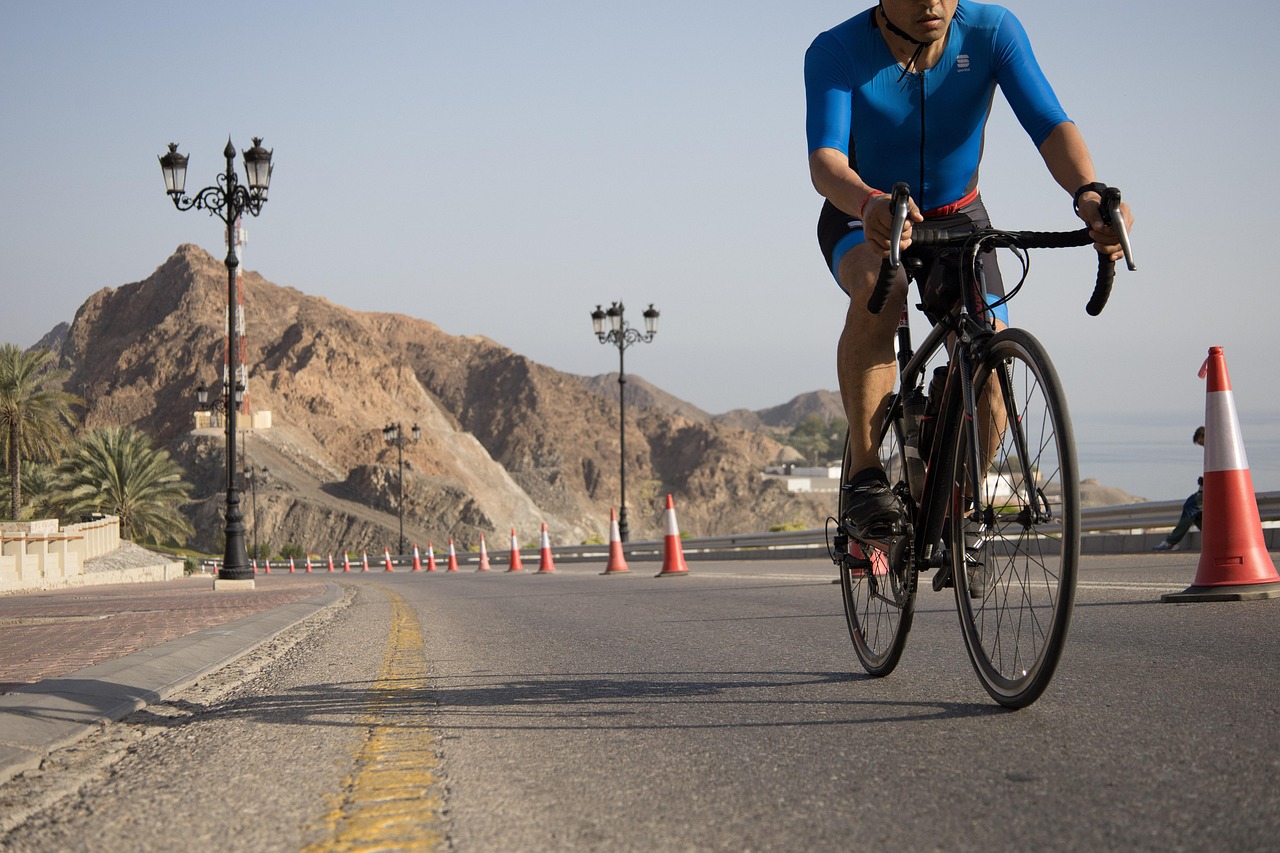

Understanding Cadence in Cycling
Cadence, or the rate of pedaling, is a crucial aspect of cycling performance that significantly impacts biomechanics. Cycling cadence is typically measured in revolutions per minute (RPM) and influences not only speed but also energy expenditure. By modulating cadence, cyclists can optimize their efficiency, especially during different stages of a race or training session. Biomechanical feedback plays a pivotal role in determining the most efficient cadence, as it helps cyclists understand their individual capabilities and physical responses at varying tempos. The integration of technology, such as cadence sensors and power meters, allows for real-time data collection. This information can then be fed back to the cyclist to facilitate adjustments during rides. Such feedback mechanisms enhance the ability of cyclists to refine their techniques, leading to better performance outcomes. Training at diverse cadences helps in developing muscle memory, improving coordination, and ensuring adaptability. Cyclists who understand their biomechanical responses to different cadences can tailor their training to meet specific goals, be it endurance, strength, or even recovery. Hence, analyzing cadence through biomechanical feedback is essential for serious cyclists seeking to improve.
Different cycling disciplines may require unique cadence strategies. For instance, road cyclists often benefit from higher cadences, generally around 90-110 RPM, to maintain efficiency over long distances. Meanwhile, mountain bikers might choose lower cadences during challenging terrains while maximizing power output and stability through pedal strokes. Understanding these distinctions is vital as it influences gear selection, power requirements, and overall performance. Biomechanical feedback evaluations, such as analyzing muscle activation patterns and joint angles, inform cyclists about how their bodies react to different cadences in real time. This information can help in refining techniques, promoting better cycling ergonomics, and preventing injuries. Additionally, repetitive motions in cycling necessitate that cyclists remain aware of potential overuse injuries. Given that repetitive strain can lead to ailments like tendinitis and bursitis, employing biomechanical monitoring to optimize cadence becomes paramount. Through biomechanical feedback, cyclists can adjust their cadence to minimize stress on vulnerable joints or muscle groups. Furthermore, cycling coaches use this data to customize training regimens for individuals based on their performance and biomechanical profiles.
Importance of Biomechanical Feedback
Biomechanical feedback is instrumental in establishing ideal cadence strategies, particularly through the use of advanced technology. Techniques such as motion analysis and wearable sensors allow athletes to gather comprehensive data about their cycling mechanics. For instance, tools like high-speed cameras and motion-capture systems effectively analyze the cyclist’s movements, including body position, pedal stroke technique, and overall cadence. This feedback aids in identifying inefficiencies in pedaling patterns that could negatively impact performance or increase injury risk. Similarly, heart rate monitors can be integrated to correlate physiological responses to varying cadences, unveiling the holistic engagement of aerobic and anaerobic systems during cycling. By combining biomechanical assessments with physiological data, cyclists can gain insights into their optimal cadence ranges. This integration fosters a deeper understanding of the interplay between biomechanics and physical exertion levels. Furthermore, such analyses can reveal whether a cyclist conforms to their individualized power and energy output profiles based on cadence adjustments. With ongoing advancements in technology, the future holds tremendous potential for further innovation in cadence modulation strategies driven by biomechanical feedback.
To optimize cadence modulation, cyclists need to focus on methodologies that harness the benefits of biomechanical feedback effectively. These techniques include performing targeted drills that facilitate muscle adaptation to desired cadences over time. For instance, cyclists may incorporate interval training sessions concentrating on gradually increasing the cadence to improve leg speed and cardiovascular capabilities. Alongside structured workouts, incorporating strength training targeting lower body muscles can enhance overall cycling performance. A balanced program may include isometric and explosive exercises to boost pedal stroke efficiency and resilience. Additionally, understanding the importance of body positioning while cycling is critical. Cyclists should maintain optimal posture, as it influences cadence efficiency and overall comfort during rides. A poor position can lead to biomechanical inefficiencies that hinder performance and increase the risk of injury. Therefore, instructors often emphasize postural cues during training sessions. Furthermore, the mental aspect of cadence modulation should not be underestimated. Cyclists must develop mental strategies to perceive and adjust cadence intuitively during various conditions on the road or off-road.
Practical Applications of Cadence Modulation
Real-world applications of cadence modulation strategies utilizing biomechanical feedback can yield significant performance gains for cyclists. For competitive cyclists, enhancing endurance and speed can be achieved by strategically modulating cadence during training. Racing scenarios require athletes to respond quickly to course changes, requiring a keen awareness of their optimal cadence range. In such situations, understanding how body mechanics respond to different speeds becomes vital. Cyclists might find that specific terrains may call for adjustments in their cadence, depending on environmental factors such as wind resistance and incline. By practicing cadence modulation in diverse cycling conditions, athletes can elevate their adaptability and overall skill level. Moreover, recovery plays a crucial role in an athlete’s performance cycle. Research shows that lower cadences can facilitate recovery by reducing muscle fatigue and allowing for active rest. Therefore, integrating lower cadence periods into training regimens becomes important for improving long-term fitness levels. Additionally, data obtained from biomechanical feedback can assist in recovery strategies, enabling cyclists to balance their training loads effectively without risking injury or burnout.
Fatigue management is another crucial aspect stemming from effective cadence modulation strategies. Research indicates that higher cadences can lead to quicker fatigue due with increased lactate production, while lower cadences may allow for longer endurance rides with manageable exertion. Understanding the point of diminishing returns concerning cadence during rides assists cyclists in optimizing performance. For instance, athletes might experiment with varied cadences during threshold rides to identify the point where exertion differs. Studies suggest that proper cadence adjustment based on fatigue levels aids in making informed decisions during races or long rides. What’s more, the ability to monitor fatigue through biomechanical feedback mechanisms empowers cyclists to adjust their strategies on the fly. The connection between perceived exertion and biomechanical parameters such as heart rate or power output cultivates awareness during rides. Consequently, cyclists can employ these insights to reassess their pacing or cadence, ensuring they remain efficient throughout their ride. Thus, effective cadence modulation based on biomechanical feedback can become a game-changer for any committed cyclist.
Future Directions in Cadence Research
The science behind cadence modulation strategies is evolving, with continuous advancements in technology and biomechanics. Future research efforts may focus on understanding the effects of different environmental conditions on cadence modulation. Factors such as temperature, humidity, and altitude could impact a cyclist’s performance. The exploration of physiological responses relating broader factors could lead to breakthroughs in cadence training. Moreover, the development of personalized programs grounded in an athlete’s biomechanical responses may become standard. By analyzing performance metrics from diverse athlete populations, future research can tailor cadence strategies for subgroups based on factors such as age, gender, and ability level. Furthermore, ongoing improvements in sensor technologies will allow for even more accurate data collection regarding biomechanics. This development could include integrating AI-driven insights into cadence modulation strategies, providing nuanced feedback based on an athlete’s ongoing performance. The potential incorporation of virtual reality could allow for simulated riding environments, enabling cyclists to practice diverse cadences in controlled settings. As the field progresses, the future of cadence modulation strategies promises to be exciting, providing groundbreaking methods for cyclists to enhance performance.
In conclusion, cadence modulation strategies fueled by biomechanical feedback play a vital role in cycling performance enhancement. Cyclists of all levels can benefit from understanding their cadence and adapting it based on individual biomechanics. Through the integration of technology, cyclists can gain insights into their cadences and optimize performance effectively. With various training practices tailored to cadence modulation, cyclists can experience improvements in endurance, power output, and recovery. Utilizing biomechanical feedback techniques allows athletes to understand their performance better, enhancing overall cycling experience. As technology continues to advance, further insights into cadence strategies are imminent. The future holds the promise of personalized feedback tailored to each athlete’s unique biomechanics, further refining cadence optimization practices. Overall, exploring cadence modulation strategies based on biomechanical feedback can offer limitless potential for cyclists seeking to improve their performance and achieve their cycling goals. The journey of enhancing cycling performance through cadence modulation is continuous and requires dedication and adaptability. Cyclists who are proactive in integrating such strategies into their training will undoubtedly discover remarkable improvements in their cycling pursuits.