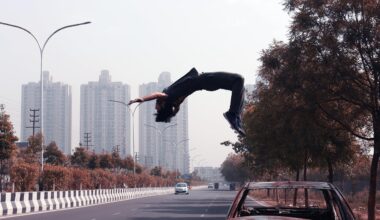

Analyzing Body Movement for Effective Kickboxing Defense
In kickboxing, understanding body movement is fundamental for effective defense. Kickboxers must sync their physical agility with defensive strategies to respond to strikes accurately. Analyzing how practitioners shift their weight and position their limbs during training can reveal insights into improving defensive techniques. Movement should be fluid, allowing fighters to evade opponents while maintaining balance. Defensive maneuvers, such as blocking or dodging, rely on proper body mechanics. Fighters should engage their core, utilizing hip rotation when executing defensive moves, which enhances effectiveness. Additionally, observing the angles of attack and how they correlate with specific body movements helps in adapting strategies. It is crucial for practitioners to invest time in drills. These exercises should focus on footwork, allowing them to adjust their positioning quickly. Agility training complements this body movement analysis, reinforcing the importance of quick directional changes. Therefore, integrating the analysis of body movement into training enables kickboxers to strengthen their defense and minimize the impact of strikes while maximizing their counterattack potential.
Incorporating footwork drills is vital to effective kickboxing defense. Footwork assists fighters in creating distance and angles, enhancing their ability to evade attacks. A solid stance allows fighters to pivot efficiently or retreat when necessary. This positioning aids in absorbing strikes more effectively, giving one a critical advantage during combat. Moreover, advanced footwork creates opportunities to launch counterattacks. Kickboxers can utilize lateral movement as a defensive tactic, allowing them to sidestep an impending attack. This effectively reduces damage while enabling a strong positioning advantage for a subsequent strike. Fighters should continually practice their footwork to achieve speed and precision. Shadow boxing is an excellent method for improving this skill, facilitating spontaneous body movements without direct interaction with opponents. Practicing in front of a mirror can also enhance awareness of body posture. Additionally, pairing footwork with defensive maneuvers like slipping and weaving leads to developing a comprehensive skill set. Ultimately, strong footwork, combined with in-depth movement analysis, reinforces a kickboxer’s defensive capabilities, setting a solid foundation for their performance in the ring.
The Role of Head Movement
Head movement plays a pivotal role in kickboxing defense, complementing body mechanics and footwork. Utilizing head movement effectively allows fighters to remain elusive, reducing the chances of being hit. Engaging in exercises that prioritize head movement can significantly alter a fighter’s defensive capacity. Fighters should practice bobbing and weaving, as these actions create unpredictable targets, making it challenging for opponents to connect. Proper timing is essential, ensuring evasive maneuvers coincide with incoming strikes. Incorporating drills that focus on head movement—including partner drills where one simulates strikes—can provide invaluable exposure to real-time scenarios. Maintaining eye contact with the opponent is critical when performing head movements, as awareness of their actions enables accurate defensive timing. Additionally, it is vital for practitioners to develop an instinctual reaction to incoming attacks; thus, repetitive practice of these movements builds muscle memory. Overall, analyzing head movement alongside body and footwork leads to improved defensive strategies in kickboxing. The significance of these movements cannot be understated, as they directly affect a fighter’s ability to avoid damage and retaliate effectively.
To enhance defensive tactics, kickboxers should employ shadowboxing techniques that focus on demonstrating effective head and body movement. By visualizing an opponent, they can practice their evasion strategies. This dynamic training method helps refine reflexes and builds confidence when facing a real opponent. Moreover, incorporating the use of mirrors can provide immediate feedback regarding technique. This feedback allows fighters to identify areas for improvement and make necessary adjustments. As fighters develop their defensive skills through shadowboxing, they must remember the importance of staying relaxed. Tension can inhibit fluid movement, forcing them to perform inefficiently. Breathing exercises paired with movement training improves overall performance and endurance. Practicing different defensive scenarios—like responding to an opponent’s jab—provides context for head and body movement application in a live situation. Additionally, reviewing video footage of their own training sessions can facilitate a deeper understanding of personal habits and weaknesses. Thus, harnessing tools and techniques from various training methods enables kickboxers to refine their defensive skills significantly. This dedication ultimately leads to elevated performance and increased success rates during competitions.
The Importance of Reaction Time
In kickboxing, heightened reaction time is crucial for effective defense, as rapid responses can mean the difference between evading an attack and sustaining a hit. Developing reaction times relies on practice and the ability to anticipate an opponent’s moves. Engaging in sparring sessions with unpredictable opponents encourages fighters to refine their instincts, promoting quicker reflexes. Reaction drills focusing on stimuli, such as a partner signaling strikes, can enhance agility and defensive reactions. Implementing technologies, like reaction lights or reflex balls, introduces an element of fun while improving response speed. Furthermore, mental conditioning can cultivate reaction time by assisting kickboxers in processing information more efficiently during high-pressure situations. Visualization techniques can aid athletes in preparing for various attack scenarios, enhancing mental readiness and response timing. It is essential to balance mental skills and physical training during preparation periods. Achieving optimal reaction time results from consistent practice, aiding in creating a fighter’s defensive foundation. When kickboxers master their reaction capabilities, they increase their chances of surviving onslaughts while positioning themselves for effective counterattacks.
Beyond drills, enhancing reaction time involves nutritional support and proper physical conditioning. A well-rounded diet boosts overall performance, ensuring kickboxers have the energy needed for intense training sessions. It is crucial to maintain hydration levels and consuming foods rich in vitamins and minerals that support cognitive function. Regular physical conditioning—incorporating strength, flexibility, and cardiovascular training—is essential for improving body movement efficiency. Conditioning routines reinforce muscle endurance, allowing fighters to execute defensive tactics over extended periods. Additionally, prioritizing recovery through rest and self-care is vital for maintaining a competitive edge. Engaging in activities like yoga or meditation can enhance focus during training, ultimately supporting improved reaction time. By analyzing their physical and mental well-being, kickboxers can develop strategies for maximizing their overall performance. This holistic approach leads to better fight preparation and execution, resulting in greater success in the ring. Ultimately, optimizing reaction time, alongside well-structured defense strategies, prepares kickboxers for various situations, allowing them to adapt swiftly during bouts.
Combining Techniques for Optimal Defense
Combining various defensive techniques is paramount in kickboxing, ensuring fighters are well-rounded. Engaging in diverse defensive moves—like blocking, parrying, and evasive footwork—enables kickboxers to adapt to various fighting styles. Mastering multiple techniques fosters confidence in defense, allowing fighters to implement them strategically during bouts. Many fighters benefit from developing a unique defensive style, merging personal strengths with technical proficiency. A dynamic approach to defense requires ongoing analysis of both body movement and opponent strategies, sharpened through experiences in the ring. Participating in workshops or seminars enhances a fighter’s knowledge base. International kickboxing events often showcase skilled practitioners sharing insights and expertise. Networking with seasoned fighters grants access to various training styles, promoting growth and adaptability. Analyzing the effectiveness of newly learned techniques expands a fighter’s skill set. With regular practice and refinement of learned methods, practitioners create opportunities to capitalize on opponent vulnerabilities. Therefore, prioritizing the combination of techniques provides kickboxers with a competitive advantage, ensuring they can defend and counterattack effectively when needed. Establishing a versatile defense showcases adaptability and prepares fighters for any upcoming challenge.
A comprehensive analysis of body movement, defensive tactics, and honing reaction time ultimately leads to improved kickboxing skills. Committing to continual learning and practice allows kickboxers to set themselves apart from their competition. Engaging in training routines focused on strengthening these essential components is crucial for enhancing overall performance. Kickboxers must be diligent in reviewing their techniques and gathering feedback. Collaborating with coaches for personalized assessments presents opportunities for growth and development. It is imperative to efficiently integrate learned defense strategies into practice. Through evolution in training regimens, fighters can develop a keen awareness of their unique defensive skill sets while ensuring they remain flexible. A comprehensive understanding of how body movement affects defensive strategies equips them for success. By diligently analyzing aspects of movement, kickboxers will refine robust defenses while creating openings for offensive maneuvers. Ultimately, this commitment to growth and continuous learning empowers fighters to reach their full potential. Aspiring kickboxers must embrace the journey of improvement. With sustained effort, the payoff will manifest in their fighting ability, delivering a heightened level of competence when it truly matters.