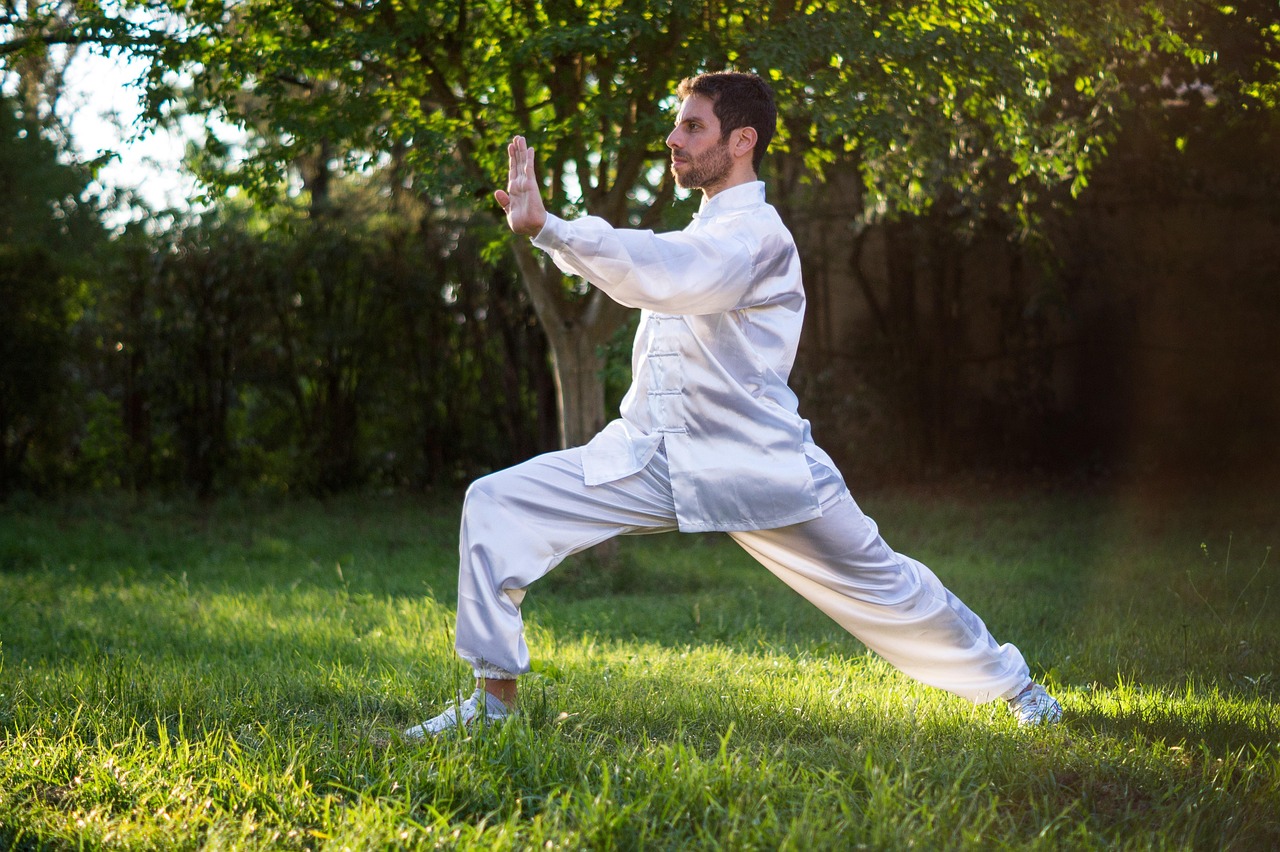

The Role of Meditation in a Martial Arts Lifestyle
Meditation plays a vital role in enhancing a martial artist’s lifestyle. Practicing meditation can provide focus, clarity, and emotional stability, all crucial for martial arts training. When martial artists engage in meditation, they cultivate mindfulness, allowing them to be present in their training and competitions. This mindful approach can enhance performance, as martial artists become more aware of their surroundings and movements. Moreover, meditation helps in managing stress and anxiety, which can affect performance adversely. The world of martial arts can be intensely competitive, and a calm mind aids in transcending physical limitations. Additionally, regular meditation fosters holistic health by improving mental clarity and emotional well-being. Furthermore, it enhances physical performance by promoting better sleep and recovery, which are essential for rigorous training regimens. Integrating meditation into daily training routines can lead to improved resilience, focus, and overall effectiveness. It allows practitioners to reflect on their progress and set new goals. Thus, incorporating meditation into a martial arts lifestyle not only benefits mental fortitude but also enhances physical prowess significantly.
The practice of meditation in martial arts isn’t merely a trend; it’s rooted in ancient traditions. Many martial arts, such as Tai Chi and karate, have incorporated meditative practices for centuries. These traditions emphasize the importance of mental discipline as much as physical ability. The connection between body and mind is fundamental in martial arts, which is why meditation is essential. When practitioners learn to harness their breath and calm their minds through meditation, they achieve greater control over both their body and emotions. This control, in turn, translates directly into their martial arts practice. For beginners, the challenge is often balancing physical training with mental training. However, as they progress, they find that the benefits of mediation amplify their skills on the mat or dojo. They experience enhanced precision in techniques, greater endurance, and improved reflexes. The ability to remain relaxed under pressure is a crucial skill developed through meditation. Consequently, embracing meditation can be a game-changer for martial artists, transforming their approach to training and competition in substantial ways that foster long-term growth.
Integrating meditation techniques into martial arts training offers numerous benefits. Techniques vary widely and can be tailored to individual tastes and needs. One popular method among martial artists is breath-focused meditation, which encourages focus on slow, deliberate breathing. Practitioners count their breaths or visualize a peaceful scene, allowing distractions to dissipate. This technique synchronizes breathing with movements, enhancing performance. Additionally, visualizations can help martial artists mentally rehearse techniques and strategies. Guided imagery allows them to envision successful execution during sparring or competition, reinforcing self-confidence. Another valuable approach is meditation based on mindfulness, where practitioners observe thoughts without judgment. This technique fosters acceptance, helping martial artists handle defeats gracefully while learning from their experiences. Transcendental meditation focuses on repeating a mantra silently, allowing the brain to transition into a deeply relaxed state. Such varied techniques cater to different preferences and requirements. Whichever method martial artists choose, consistency in practice is essential. Regular meditation influences overall physical performance, mental clarity, and emotional stability. Therefore, incorporating diverse meditation techniques can solidify their martial arts journey, ensuring continuous improvement.
The Emotional Impact of Meditation
The emotional impact of meditation on martial artists is profound, cultivating a greater sense of self-awareness. As these practitioners delve deeper into their meditation practices, they become more attuned to their emotions, triggers, and reactions. Understanding internal states can significantly enhance emotional regulation in high-stress situations, such as competitions. Equipped with the ability to pause, breathe, and assess before reacting, martial artists can maintain composure during tense confrontations. This newfound emotional intelligence also leads to improved interpersonal relationships within the dojo and beyond. Communication skills flourish as they learn to express themselves effectively, fostering a supportive training environment. Moreover, the meditation practice can help combat negative thought patterns, such as fear of failure or self-doubt. By focusing on the present moment, practitioners can diminish overwhelming feelings associated with future events. This focus empowers them to face challenges head-on without succumbing to anxiety. Subsequently, as their confidence grows, their performance improves. The emotional benefits extend beyond the dojo, influencing personal and professional aspects of their lives, ultimately contributing to a balanced and peaceful martial arts lifestyle. Hence, meditation’s emotional impact is transformative.
Another crucial benefit of meditation in martial arts is its ability to enhance concentration and mental clarity. In a discipline that demands unwavering focus, meditation provides practitioners with tools to cultivate and sustain attention. Enhanced focus not only improves technical performance but also heightens situational awareness during sparring or competitive events. The training environment can be overwhelming, filled with distractions—sounds, surroundings, and even the presence of competitors. However, through meditation, martial artists learn to block out noise and center their thoughts. Consistent practice helps sharpen cognitive processing speed, which can mean the difference between winning and losing. Furthermore, improved concentration enables deeper comprehension of techniques and strategy. When practitioners maintain high levels of mental clarity, they digest complex information and execute intricate moves adeptly. This clarity reinforces confidence, empowering students to experiment with techniques without fear of mistakes. Consequently, students advance far beyond rote memorization of movements. Instead, they develop an understanding of the underlying principles. As a result, a deep sense of fulfillment will replace perfectionism. The combined effect of mental clarity boosts martial artists’ overall effectiveness and enjoyment within their martial arts lifestyle.
Building a Holistic Martial Arts Path
Building a holistic martial arts path requires integrating practices that nourish the mind, body, and spirit. Meditation is a pillar of this comprehensive approach, enhancing the experience while practicing martial arts. By understanding how meditation aligns with physical practice, individuals can cultivate a strong foundation for growth. This philosophy extends beyond physical techniques to encompass increased awareness of personal strengths and limitations. Matching physical training with mental development creates a more balanced practitioner, aware of their aspirations and motivations. The harmonious integration of meditation and martial arts influences self-discipline and commitment, essential traits for mastery. As martial artists cultivate patience during meditation, this quality reflects in their training sessions. Daily meditation allows individuals to forge connections between their mental states and physical performances, reinforcing their foundational practices. Furthermore, by engaging in community meditation sessions, practitioners can cultivate camaraderie and support among peers. The collective experience enhances group dynamics and nurtures friendships, fostering an enriching training environment. As individuals continue their journey, the transformation from a mere physical sport into a holistic lifestyle becomes a reality. A commitment to meditation can lead to groundbreaking changes, positively impacting all facets of martial arts.
In conclusion, the role of meditation in a martial arts lifestyle is undeniable and enriched. By prioritizing mindfulness, meditation sharpens concentration, emotional stability, and self-awareness, which are crucial elements in martial arts training. The integration of meditation techniques empowers martial artists to overcome challenges while solidifying their commitment to growth. Moreover, the emotional benefits serve to alleviate stress and anxiety while improving interpersonal relationships among peers. As practitioners unlock their full potential through meditation, a deeper connection to their martial art emerges. Personal confidence burgeons as they develop resilience and mental strength. By weaving meditation into daily routines, martial artists cultivate a more comprehensive understanding of both their physical and mental skills. The balance between mind and body forms a foundation for advancing martial arts practice. This holistic approach extends into personal lives, promoting overall well-being, happiness, and fulfillment. In the ever-evolving landscape of martial arts, practitioners are encouraged to embrace meditation as a powerful ally in their journey. Through dedication and consistent practice, the benefits of meditation will profoundly shape the martial arts lifestyle, leading to continued growth and success in all endeavors.
Exploring Further
For those interested in exploring the connection between meditation and martial arts deeper, there are many resources available. Books, workshops, and online courses can offer valuable insights into this practice. Connecting with mentors who emphasize the importance of meditation can foster personal growth. Remember that every practitioner’s journey is unique, and finding the right meditation technique may take time. With diligence and patience, you can incorporate meditation effectively into your martial arts lifestyle.