
Maintaining Cleanliness: Swimming Pool Etiquette Tips
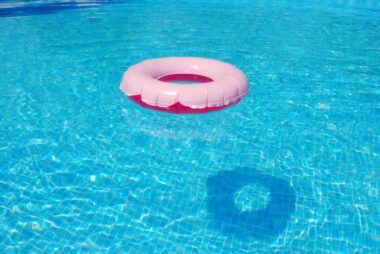
Swimming pools are ideal spots for recreation, but maintaining hygiene is paramount. Every swimmer bears responsibility for keeping the pool environment clean and safe. Always shower off before entering the water. This practice minimizes contaminants from body lotions, sweat, and dirt entering the pool. Additionally, it helps preserve the clarity and quality of the water, making it more enjoyable for everyone. It’s also important to ensure you’re feeling well before diving in; avoiding the pool during illness contributes to a healthier space for all. Pay close attention to signage around the pool, as these often provide essential guidelines for keeping the area pleasant. Lifeguards and staff are there to assist, so do not hesitate to ask questions or report any issues you observe. Further, be mindful of your poolside area; towels, snacks, and personal belongings can clutter space, making it less appealing to others. When using floats or toys, follow the pool’s rules, and ensure others are not disturbed. Clean up after yourself and encourage friends to do the same for an enjoyable swimming experience that prioritizes cleanliness. Fun can be had with respect for one another and the facilities.
Another vital consideration in pool etiquette is dressing appropriately. Swimwear should be suitable for public areas, reflecting a level of respect for others. For instance, avoid garments that may become see-through when wet, as these can cause discomfort among other swimmers. Moreover, refrain from wearing regular clothing as it may introduce unwanted fibers and substances into the water. If children are present, ensure their swimwear has soft bottoms to prevent chafing and reduce pollution. Bringing a reusable water bottle is encouraged to stay hydrated while minimizing plastic waste. Additionally, if food is permitted at the pool, opt for items that do not create a mess. Avoid sticky or sugary foods that can attract insects and detract from the enjoyment of the pool. When eating, consider wrapping items securely and utilizing designated eating areas. Another point to remember is respecting designated lanes for swimming. If a pool has multiple sections, adhere to the flow of traffic and be aware of others around you. Swim at a comfortable pace that does not disrupt more fast-paced swimmers. Being considerate of lane etiquette contributes significantly to a harmonious swimming atmosphere.
Respect for Others in the Pool
Respecting the space and privacy of other swimmers is integral to pool etiquette. Avoid diving into crowded areas, and when performing strokes, be vigilant of those around you. If a swimmer appears distressed, act quickly by alerting lifeguards or offering assistance, showing care for everyone’s safety. Practicing thoughtful behavior can prevent accidents, making the pool enjoyable for all. Ensure conversations remain low; loud voices can disrupt nearby swimmers’ relaxation and focus. When using shared amenities, take turns thoughtfully and be patient, especially in high-traffic pools. If the water can only accommodate limited users, be mindful of time spent in active areas, allowing all visitors access. Additionally, when doing water exercises or relaxing in common spots, consider your surroundings. Ensure your activities are suitable for common areas and respect the quiet zones. If any rules are violated, remember that staff and lifeguards are there to enforce rules fairly and maintain a harmonious atmosphere. Keeping an open line of communication, without being rude, is key to enhancing everyone’s experience at the pool. Each swimmer contributes positively to the overall pool environment by fostering respect and consideration.
Keeping the swimming pool area tidy is vital to preserving a pleasant atmosphere for everyone. Pools have designated trash bins for a reason; using these can prevent litter buildup around the edge and in the water. When you finish a snack, dispose of wrappers and leftover food properly. Furthermore, encourage others to do the same, ensuring minimal impact on the environment. If any accidents occur, whether from spillage or other disturbances, inform staff members immediately. Swimming pool staff are trained to handle various situations, so cooperation is key for maintaining cleanliness. Make sure to check and abide by specific rules that govern food and drink within the pool area. Fully understanding the limitations set helps prevent unsightly conditions. Additionally, if you choose to use floats or personal toys, ensure they’re cleaned beforehand. This reduces the risk of bringing contaminants into the water. Remember to care for the surroundings by respecting plants, furniture, and fixtures around the pool area. Taking these actions not only helps preserve the pool but also enhances the experience for everyone involved. With collective effort for cleanliness, each visit to the pool can be enjoyable and rejuvenating.
Incorporating Healthy Swimming Habits
Incorporating healthy habits while utilizing the pool significantly enhances the experience for all participants. To start with, proper hydration remains essential as the body loses moisture rapidly in water. Bringing along a water bottle encourages swimmers to quench their thirst regularly, especially on hot days. Furthermore, consider practicing safe swimming techniques, from warm-ups to cool-downs; these measure contribute to overall fitness and well-being. Always supervise children closely, even in shallow areas. Awareness of one’s surroundings can prevent mishaps, ensuring children appreciate the pool positively. Parents should engage in conversations about safety and appropriate behavior in the pool area as well. By educating kids about the significance of pool rules, you foster responsibility and respect for others. Makeup and heavy lotions should be avoided to retain optimal water quality. Lastly, consider taking swimming lessons or classes if unsure about your swimming capabilities. Improving one’s skills can lead to confidence and enjoyment in the water, creating a more engaging atmosphere overall. Participating in group swimming sessions or classes can also foster friendships and generate community among those who share a love for swimming.
In conclusion, engaging courteously in swimming pool etiquette ensures a pleasant and enjoyable experience for everyone. Adhering to established rules, respecting personal space, and keeping the environment clean are all critical elements of making the most out of your pool visits. Furthermore, maintaining personal hygiene and being considerate toward both fellow swimmers and staff ensures a positive atmosphere. Involving children in discussions about etiquette encourages them to understand and value the importance of these practices. Properly using facilities, monitoring behaviors, and maintaining a tidy environment fosters enjoyment for all guests. Individuals can actively contribute to creating a safe, friendly pool culture by embracing responsible habits. Pool managers often appreciate patrons who observe the rules and communicate openly, which allows them to address concerns promptly. Emphasizing collective responsibility magnifies the positivity established by those good etiquette practices. When each visitor makes a conscious effort to uphold cleanliness and courtesy, they contribute toward making swimming pools enjoyable spots for recreation and relaxation. Ultimately, instilling good practices and habits creates a thriving aquatic space where everyone can feel welcome and have fun in the water.
Final Thoughts on Pool Etiquette
To sum up, understanding swimming pool etiquette can vastly enhance the quality of experiences shared in these environments. Consideration for others, cleanliness, and adherence to rules foster enjoyment for all users. Encourage friends and family to follow these practices; leading by example helps set positive standards. Engage actively in sharing your knowledge of good practices with novices at the pool, as this can create a welcoming atmosphere. Advocating for cleanliness can also inspire others; small actions collectively contribute to a broader impact over time. Promote discussions around health and safety within pool environments, making it easier for everyone to appreciate the significance of etiquette. Being aware of local pool rules can help maintain a harmonious environment, so seize opportunities to learn about them. Share experiences and encourage open dialogue among fellow swimmers and staff. Ultimately, when everyone takes responsibility for their actions and upholds cleanliness, the atmosphere transforms to be more enjoyable for relaxation and social interaction. Adopting the guidelines discussed in this article can lead to elevating your swimming experience, cultivating lasting memories, and encouraging respectful swimming.
Sharing knowledge across diverse pools promotes respectful interactions among swimmers. This increases enjoyment levels, creating communities driven by etiquette as a norm. So dive in, remember these tips, and enjoy the fun that a swimming pool brings!