
The Role of Rhythm in Cardiovascular Dance Fitness
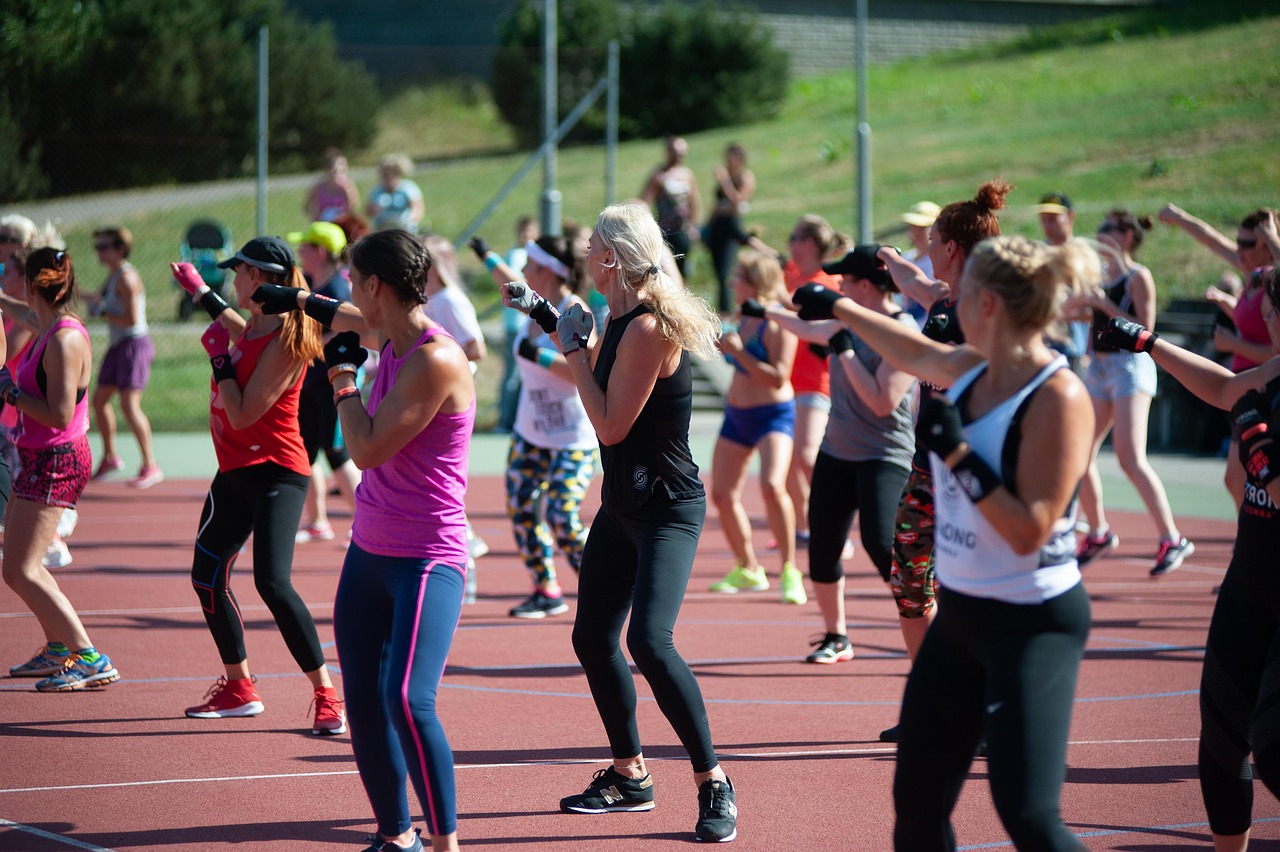
Dance workouts have emerged as a popular method for enhancing cardiovascular fitness, and rhythm plays a crucial role in their effectiveness. Engaging in dance not only allows participants to enjoy themselves but also elevates their heart rate, promoting improved circulation and heart health. Various forms of dance, such as salsa, hip hop, and Zumba, incorporate energetic rhythms that encourage continuous movement, creating an enjoyable experience. Beyond physical benefits, dancing has psychological advantages as well, including boosting mood and reducing stress. The rhythmic element keeps individuals motivated, often leading them to participate for longer durations. Moreover, the spirit of community found in dance classes can enhance adherence to a fitness routine. Each beat serves as a cue to move, making the workout a natural and exhilarating experience. Individuals can explore diverse dance styles, allowing for personal expression while engaging in effective cardiovascular exercise. The synergy of rhythm and movement can significantly contribute to one’s overall fitness journey by providing not just physical conditioning but also social and mental health benefits, making it a well-rounded option for many fitness enthusiasts.
One of the key aspects of dance workouts is their ability to provide low-impact cardiovascular fitness. Traditional forms of high-intensity cardio, like running, can be harsh on the joints, while dance offers a gentler alternative. Dancers often find that the fluid, rhythmic motions allow them to maintain cardiovascular fitness without the wear and tear associated with more aggressive exercise forms. This adaptability also makes dance workouts suitable for individuals of varying fitness levels and ages. From beginners to advanced dancers, everyone can benefit from this engaging form of exercise. Using rhythmic patterns allows participants to synchronize movements, creating a seamless flow that enhances cardiovascular efficiency. Furthermore, dance supports agility, flexibility, and overall coordination, which are valuable attributes for many sports and physical activities. Using music that complements the choreography enhances motivation and signals the body to adapt to different rhythms. As participants become more attuned to the music, they develop a greater sense of timing and body awareness. Ultimately, this unique combination of physical engagement and rhythm provides a fun, lifelike alternative to conventional cardiovascular workouts while supporting long-term heart health.
Building Endurance Through Dance
Engaging in dance workouts regularly can significantly enhance cardiovascular endurance. This improvement results from the sustained movement and varied dance routines that challenge the heart and lungs. As participants push through the choreography, their body becomes accustomed to higher levels of exertion, resulting in better oxygen uptake and utilization over time. The repetitive nature of dancing to familiar rhythms can also promote muscle memory, enabling dancers to perform moves more effortlessly. Increased endurance not only results in enhanced performance during dance classes but also carries over into daily activities. Individuals may notice improved stamina when undertaking household tasks or playing with children. The fun-filled atmosphere found in dance workouts fosters continuous participation, which is vital for achieving fitness goals. Keeping up with a diverse range of routines allows dancers to engage different muscle groups, ensuring a holistic workout experience. Furthermore, incorporating elements of endurance challenges, such as faster-paced songs or longer sessions, can push individuals to reach their limits. This versatility can continually reignite one’s passion for dance, making it a sustainable choice for cardiovascular fitness and overall health.
Cardiovascular health is intricately linked to rhythm through the pacing of music in dance workouts. When the beat of the music aligns with movements, it can lead to efficient energy expenditure and rhythm positively influences the workout intensity. Many dance workouts are designed around the concept of interval training, alternating between high and low-intensity segments. This adaptation allows the heart rate to fluctuate, effectively improving cardiovascular fitness. Paying attention to rhythms can also enhance balance and coordination, vital components when executing various dance moves. Participants find that as they focus on their body’s synchrony with the music, their mental engagement increases, positively impacting their emotional responses. Music distinctly affects motivation levels; certain tracks can inspire dancers to push harder, leading to better performance. The psychological barrier often associated with intense workouts can diminish when engaging with enjoyable and rhythmic music. Therefore, instructors often choose specific genres that appeal to their audience to ensure that everyone stays engaged and inspired. As a result, rhythm plays a pivotal role in shaping the emotional experience of dance workouts, contributing significantly to individual enjoyment and overall effectiveness.
The Social Benefits of Dance Fitness
Joining a dance workout class often promotes social interaction, which can be especially beneficial for overall well-being. The group dynamic fosters a sense of community, where participants motivate one another and create lasting friendships. This social environment can alleviate feelings of isolation and loneliness, common issues in today’s digital age. Engaging in physical activity with others not only enhances enjoyment but can also lead to increased accountability and commitment to fitness goals. When individuals dance together, they inherently bond over shared experiences and collective challenges. This synergy encourages consistent attendance, as participants look forward to the camaraderie in addition to health benefits. Alongside the emotional wellness benefits, social connections often lead to enhanced physical performance. Dancers may feel more inclined to challenge themselves, draw energy from their peers, and push through difficult routines. Furthermore, the collective effort can foster a sense of achievement, reinforcing dedication to dancing as a fitness choice. Instructors, in turn, can create supportive environments, promoting inclusivity and diversity among participants, ensuring everyone can thrive and enjoy the rhythm together.
Incorporating a wide variety of dance styles into a cardiovascular fitness program can provide numerous benefits. Each style offers unique movements that target different muscle groups, contributing to a comprehensive workout. For instance, ballet emphasizes flexibility and posture, while hip hop focuses on explosive movements and high energy. By mixing styles, individuals can avoid workout monotony, keeping them engaged and excited about their fitness journey. Exposure to various forms also allows them to discover new interests, creating opportunities for social engagement in different communities. As they experiment with diverse rhythms, participants can develop an appreciation for the cultural backgrounds represented through dance. This multidimensional approach not only enhances physical fitness but also broadens perspectives and fosters cultural understanding. Notably, different dance genres can elevate heart rates to various extents, enabling individuals to tailor their cardio sessions to align with personal goals and fitness preferences. Finding enjoyment in working out through dance transforms traditional exercise into a joyful activity, ensuring individuals stick with their fitness routines. Celebrating the beauty of rhythm across various forms encourages a lifelong love for dance and promotes sustained cardiovascular health.
Conclusion: Embracing Dance for Fitness
In summary, dance workouts represent an effective and enjoyable way to boost cardiovascular fitness. The role of rhythm cannot be underestimated, as it influences movement, motivation, and overall engagement in exercise. Regular participation can lead to improved endurance, cardiovascular health, and social connections that enrich one’s life. By mixing styles and encouraging a sense of community, dance workouts become a holistic alternative to traditional exercise programs. Individuals are empowered to express themselves while experiencing numerous physical and emotional benefits. Adopting a disciplined approach might be challenging, but the rhythm makes it easier to maintain a consistent routine. Selecting enjoyable music alongside considering personal preferences can cater to individual needs while fostering long-term adherence to fitness goals. The journey towards better health begins with rhythm, allowing one to experience unparalleled joy and fulfilment through each beat. Participants in dance workouts often leave class not just healthier but happier, as the combination of movement and music provides a unique outlet for self-expression. Embracing dance as part of a fitness plan is a step towards holistic wellness that enriches life, putting enjoyment at the forefront of cardiovascular fitness.
As we reflect upon the benefits of dance and its role in promoting cardiovascular fitness, it becomes clear that this approach has transformative power. The unique combination of rhythmic movement, musical engagement, and social interaction creates an extraordinary experience. Instead of viewing exercise as a chore, individuals can look forward to sessions that inspire and invigorate. Dance workouts serve as a vibrant expression of life, proving that fitness can be joyful and fulfilling. Encouraging novices to explore dance classes with open minds can reveal newfound passions and lead to a shift in their entire approach to fitness. The community built around dance fosters support, ensuring participants thrive together and share motives. Each individual brings unique energy to the group dynamic, further enriching the experience. This collective affirmation extends beyond the dance floor, encouraging participants to incorporate healthy habits into their lives actively. As we expand our horizons and embrace diverse rhythms and styles, dance becomes more than just a workout; it evolves into a lifestyle choice, promoting overall well-being. By choosing dance fitness, individuals invest in long-lasting health practices that endure, making every step a celebration of life.