Sculpt and Strengthen: Lower Body Workout Plan for Week 3
As you delve into Week 3 of your lower body strength training, it is crucial to focus on exercises that build muscle, endurance, and stability. This week aims to target all major muscle groups in the legs, enhancing both strength and aesthetic appeal. Incorporate movements that involve the quadriceps, hamstrings, glutes, and calves to achieve a well-rounded routine. You may want to include some beginner-friendly variations while progressively challenging yourself with weights. Utilizing tools like resistance bands, dumbbells, or kettlebells can present effective options to elevate your workout. Consider adjusting your repetitions and rest intervals to match your fitness level, gradually increasing intensity as you grow stronger. The goal for this week is to blend compound movements with isolation exercises to engage muscles fully and effectively. Always remember to warm up before your sessions to prevent injuries and enhance performance. Moreover, maintaining hydration and proper nutrition will significantly help your recovery. With dedication and consistency, Week 3 can pave the way for substantial improvements in your lower body strength journey, making exercise a joyful endeavor!
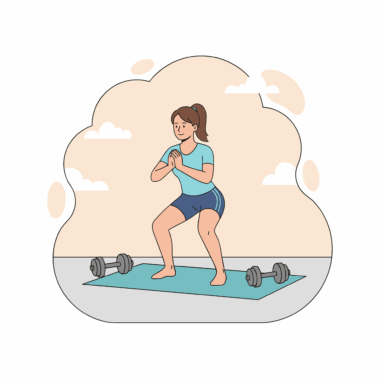
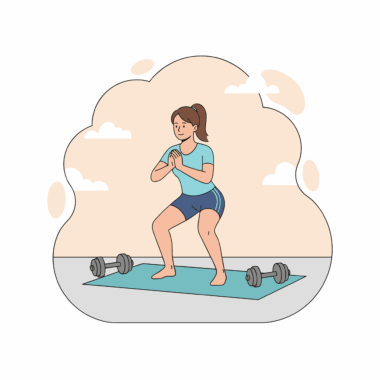
To kick off your lower body strength workout this week, begin with a dynamic warm-up routine that includes exercises such as high knees, leg swings, and bodyweight squats. These movements will prepare your muscles, increase blood flow, and improve joint mobility. Once warmed up, you can proceed to your main workout, starting with squats. Strengthening your lower body requires a strong foundational exercise like the squat. Aim for 3 sets of 10-15 repetitions. Progressively increasing weights can help in stimulating muscle growth over time. Following squats, focus on lunges; these not only target your legs but also enhance balance and core stability. Include side lunges to diversify your targeting and truly engage your glutes and inner thighs. Don’t forget to work on your hamstrings as well! Incorporate exercises like deadlifts or hamstring curls in your routine to ensure a balanced workout. Always listen to your body’s signals; if you experience discomfort, adjust your form or weights accordingly for maximum effectiveness.
Unleashing the Power of Deadlifts
Deadlifts are a fundamental exercise that deserves special attention in your weekly workout plan. They engage multiple large muscle groups, including the glutes, hamstrings, and lower back, making them incredibly efficient for lower body strength. When executed properly, deadlifts can yield remarkable results in muscle tone and strength. Start with the basic formula: feet shoulder-width apart, grip the barbell or dumbbell firmly, engage your core, and lift while maintaining a straight back. Aim for 3 sets of 8-10 repetitions. It’s essential to maintain proper form by keeping your back straight to avoid injury. The benefit of deadlifts goes beyond mere strength; they also promote core stability and functional fitness, essential for day-to-day activities. As you grow comfortable with this movement, consider varying your routine by including sumo deadlifts or single-leg deadlifts. Such variations not only challenge your strength further but also engage stabilizing muscles. Remember to allow adequate recovery time between workouts, as recovery is just as important as the workouts themselves for building strength effectively.
Donkey kicks can be an invaluable addition to your workout regime this week. Targeting the glutes while improving hip stability, this exercise promotes strength, especially in the posterior chain. To execute a donkey kick, begin on your hands and knees, lifting one leg at a time towards the ceiling while keeping your knee bent. Aim for 3 sets of 15 repetitions on each side. Ensure that your core is engaged throughout to stabilize your torso. You might also want to integrate resistance bands for added intensity, which can intensify the muscle contraction and enhance results further. Following donkey kicks, consider incorporating calf raises to ensure your lower body workout is comprehensive. Lift your heels as high as possible while keeping your balance, and try sets of 3 for approximately 15-20 repetitions each time. By focusing on your calves, you will create a strong foundation for other movements, boosting your overall performance. As always, remain aware of your form and breathing to maximize effectiveness and minimize the risk of injury.
Cool Down and Recovery
As you complete your intense lower body workout for the week, don’t forget the importance of cooling down. This crucial phase allows your muscles to recover while gradually bringing your heart rate back to normal. Performing a cool-down could involve light stretching, focused on the major muscle groups used during your workout. Consider forward bends to stretch hamstrings, quadriceps stretches, and glute stretches such as the pigeon pose for hip flexors. Simple static stretches for around 10-15 minutes post-workout can enhance flexibility and encourage muscle relaxation. Additionally, staying hydrated is vital to recovery; make it a habit to drink water before, during, and after your workouts. You may also want to consider foam rolling or massage techniques to alleviate sore muscles and promote circulation. Listening to your body is essential, particularly when it comes to recognizing how long you need to recover before engaging in your next workout. Keeping a balanced routine allows for consistent progress and aids in avoiding burnout, creating a sustainable fitness journey toward your goals.
Incorporating all of these exercises gives structure and diversity to your lower body strength training regime. Each workout day can be designed to alternate between strength-building and endurance-focused routines, maximizing muscle engagement and recruitment. If you’re looking to create variety, feel free to shuffle your workouts or modify the number of repetitions and sets, tailoring the plan explicitly to your needs. Listening to your body’s feedback can be vital—identifying what works best for your capacity will encourage ongoing improvement and motivation. Keep a fitness journal to track your progress over Week 3, as maintaining such records can provide valuable insights and highlight milestones. It is essential to set specific but realistic goals to reach each week to maintain momentum. Whether focusing on increasing weight lifted or improving form, each step taken is a testament to your commitment. Celebrate every small win along the way, as these will nurture a positive mindset towards exercise. With consistency and thoughtful planning, you can transform your lower body workouts into an effective and enjoyable venture!
Conclusion: Embracing the Journey
Ultimately, committing to a lower body strength workout plan in Week 3 invites you to embrace not only the physical challenge but also the mental journey that accompanies it. Strength training is more than building muscle; it serves as a way to cultivate discipline, resilience, and a stronger connection with one’s body. Remember, results take time, and progress might not always be linear. It’s essential to stay patient, stay motivated, and maintain a positive attitude throughout your workouts. Embrace each session as an opportunity to grow stronger, physically and mentally. Stay connected with a community or find workout partners; having support can reinforce your journey. Additionally, seeking professional guidance through fitness trainers or online classes can help refine your techniques and ensure safe practice. As you conclude this week, take time to reflect on what you’ve accomplished. Celebrate the commitment you’ve made to yourself and cherish the empowerment that comes with physical activity!
By the end of this week, you should feel more capable and confident in your lower body strength. Continue to integrate your new exercises into your next weeks’ plans while ensuring that you’re also focusing on nutrition and recovery. Remember to reevaluate your regime after every few weeks to maintain freshness and enthusiasm in your workout plan. Adapting to challenge your body while developing a strong mindset will turn fitness into a lifestyle rather than a temporary fix. Look back on this journey in month’s time and witness your growth in both strength and endurance. As you move forward, pay attention to your body’s signals to prevent overtraining and maximize productivity. Schedule regular rest and recovery days, which are fundamental to seeing strength gains over the long term. Don’t hesitate to modify your workouts as needed; flexibility in your plans is key. Engage in related activities such as yoga or light aerobics for an overall balance. So get ready to continue sculpting and strengthening your lower body, knowing that the commitment you dedicate will lead to undeniable success!