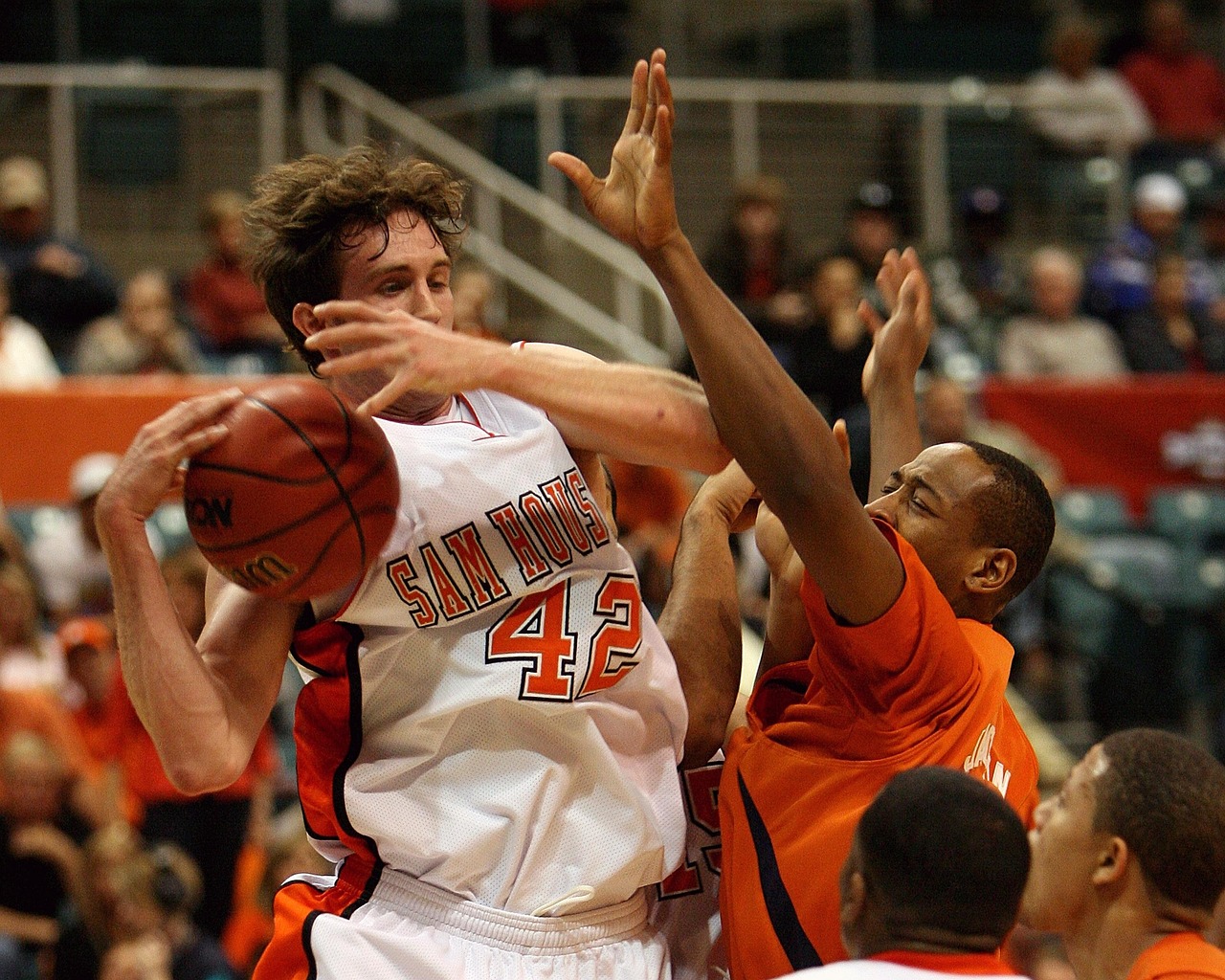

Footwork Techniques Essential for Dominant Rebounding
Footwork plays a crucial role in the effectiveness of a basketball player, particularly in rebounding situations. Developing strong footwork techniques will not only improve your ability to secure rebounds but also enhance your overall performance on the court. Understanding how to position your feet can be the difference between capturing that elusive rebound or allowing your opponent to secure it. Key elements of effective footwork include balance, agility, and the proper use of your body. Players must practice lateral movements, quick pivots, and explosive jumps to gain an advantage in rebounding scenarios. Drills such as the box-out drill can help train these skills and reinforce proper footwork mechanics. For instance, practicing box-outs will enable players to create the necessary space and position to leap effectively. In addition, engaging in agility drills such as ladder exercises will further refine footwork ability. Therefore, incorporating diverse footwork drills into daily practice routines is essential for players aspiring to elevate their rebounding game. By mastering these techniques, athletes can not only secure more rebounds but also contribute significantly to their team’s success on the court.
Before engaging in advanced footwork techniques, it’s essential to understand the basic principles of foot placement and movement. When boxing out, players should ensure their feet are shoulder-width apart, providing a stable base for movement in any direction. This stance allows quicker reaction times and better weight distribution to absorb contact from opponents. Additionally, proper positioning of the feet during a jump can drastically increase a player’s rebounding effectiveness. Athletes must practice jumping with their knees up and arms extended for the best chance to snag the ball above the rim. Focusing on balance is equally important; players who can maintain their balance while competing for a rebound can better adjust their positioning in real-time. Rebounders must also become familiar with using their bodies to create space, utilizing their footwork to shift opponents away from the ball’s predicted path. Players should also learn to pivot and shuffle effectively, responding to the dynamics of the play. Integrating these basic principles into daily drills will aid players in becoming more effective at rebounding while also enriching their gameplay in other areas.
Advanced Footwork Techniques for Rebounding
Advanced footwork techniques can set apart good rebounders from great ones. One such technique is the use of a drop step, which allows players to pivot quickly and reposition themselves in relation to the basket. This technique requires practice, as timing and spatial awareness are crucial when making a quick move to secure a rebound. Similarly, the jab step can be an effective way to create space between oneself and an opponent. Learning how and when to utilize these advanced movements can provide an extra advantage when contending for rebounds. Players should practice these footwork skills in one-on-one drills to simulate realistic scenarios under pressure. Additionally, focusing on crossover steps can prove beneficial for quickly adjusting position in a crowded paint area. Altering foot speed, direction, and angles enables better engagement with the ball. Players can combine these techniques to form a unique rebounding style that reflects their physical capabilities. As players become adept at advanced footwork techniques, they will notice an improvement in both their ability to secure rebounds and their impact on overall game strategy.
Utilizing proper footwork during defensive rebounds is equally as vital. When the opposing team misses a shot, it’s crucial to transition quickly from offense to defense. Players should be prepared to change direction rapidly, utilizing their footwork to get to the right position before the ball bounces off the rim. A defensive rebounder who can anticipate the trajectory of the ball will have a considerable advantage. Hence, establishing a strong grasp of angles and ball prediction becomes vital for success. Players should practice these techniques during scrimmages or drills that mimic game scenarios. To excel in this aspect, one must also stay alert and focused to react effectively. Combining awareness of general trends in rebounding with sound footwork ensures players can land in the right spot at the right time. Additionally, it’s essential to communicate with teammates during rebounding situations. Encouragement and observation can create a more cohesive unit, allowing everyone to engage effectively in securing rebounds. This teamwork element can amplify individual footwork techniques, leading to an enriched rebounding presence.
Importance of Conditioning for Rebounding Success
Conditioning is another crucial aspect that accompanies effective footwork when it comes to rebounding. A player with superior conditioning can execute footwork techniques with greater efficiency, making them more potent rebounders. Building stamina and strength through consistent conditioning drills will allow athletes to maintain intensity throughout the game, even as fatigue sets in. Incorporating exercises such as running, agility drills, and plyometrics into training regimens can significantly enhance a player’s physical capabilities. A well-conditioned athlete can respond more swiftly to rebounding opportunities while also reducing the risk of injury caused by overexertion. Endurance plays a significant role here, as a player proficient in conditioning will possess the energy required during critical moments of the game to secure rebounds. Therefore, prioritizing conditioning in practice sessions is essential. Players should design their workouts to target not only footwork but also overall cardiovascular health. By becoming a more well-rounded athlete, players will not only improve their rebounding but also positively impact their complete gameplay and court vision.
Visualization techniques can play an effective role in honing a player’s rebounding abilities. By mentally simulating various scenarios involving footwork, jump technique, and positioning, players can prepare themselves for real-game situations. This practice is often overlooked, but incorporating visualization exercises can refine instincts and decision-making. Athletes are encouraged to visualize themselves anticipating where the ball will land after each shot attempt. This proactive approach engages cognitive understanding of the game. Moreover, visualizing corresponding footwork moves further engrains muscle memory for those techniques. Players can use solitude or practice sessions to visualize these processes effectively. By fostering an internal awareness of movements and consequences through visualization, athletes align their physical training efforts with mental preparedness. This coordination can lead to improved execution in live game scenarios. Additionally, sharing visualization techniques with teammates can foster a supportive environment focused on collective success. As players learn to envision themselves employing effective footwork, they prepare themselves for success on the court, reinforcing the significance of mental practice alongside physical training.
Final Thoughts on Footwork for Rebounding
In summary, mastering footwork techniques proves indispensable for basketball players focused on enhancing their rebounding performance. Through consistent practice of foundational moves like boxing out and pivoting, athletes can significantly improve their overall effectiveness on the court. Advanced techniques like drop steps and jab steps further enrich a player’s repertoire, allowing greater adaptability during games. Players are encouraged to prioritize conditioning and incorporate visual training to complement their footwork mastery, fostering an enriched approach to rebounding. Ultimately, successful rebounding depends on the harmonious blend of these physical and mental elements. Those who approach their training with intent and determination will observe tangible growth in their rebounding statistics and performance. Each practice session should aim not only for skill development but also for cultivating a deep understanding of how footwork influences rebounding outcomes. By adopting a holistic view towards training strategies, players can equip themselves with the tools needed to dominate the boards. In doing so, they will not only elevate their performance but contribute to their team’s overall success and win more games throughout the season.
As basketball evolves, the importance of footwork techniques in rebounding remains evident. Coaches are encouraged to emphasize this aspect in their training to foster strong rebounding habits among players. Young athletes should be taught from early on the significance of footwork, ensuring they develop the right foundation for future success. Integration of footwork-focused drills should be a fundamental element of all practice sessions. By fostering a culture that celebrates the importance of solid footwork, teams can cultivate more effective rebounders who positively impact the game. This step toward focusing on footwork can set a higher standard for how teams approach rebounding practices and drills. Players of all ages must recognize that rebounding is not solely about height or physical prowess but relies heavily on technique and skill development. In conclusion, players must remain dedicated to continual improvement in their footwork techniques. Those who embrace this dedication pave the way for honing their rebounding skills and maximizing their potential on the basketball court. As they do so, they enhance their experience while contributing significantly to their team and its success in competitive play.