
Creating a Balanced Handball Team Roster
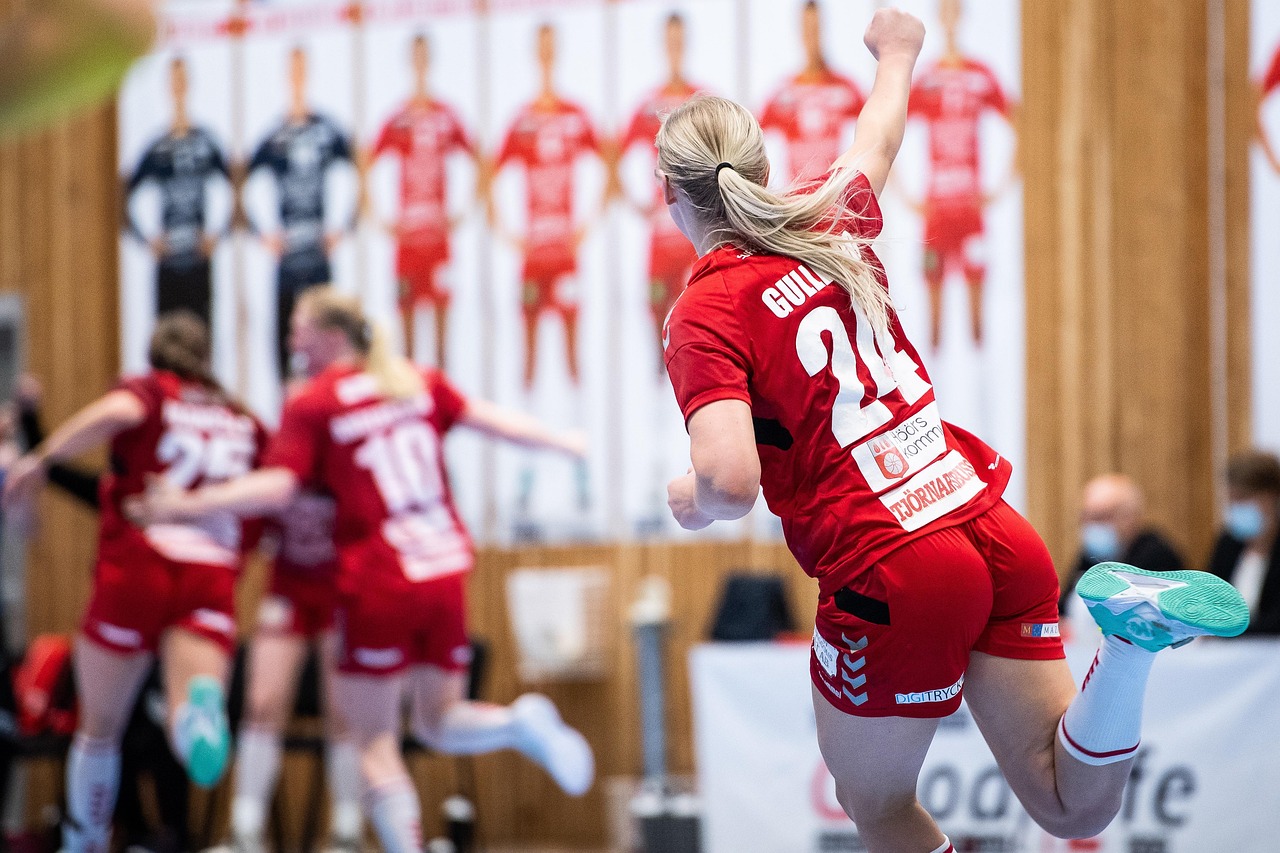
Building a successful handball team roster involves understanding the balance between different player positions, skills, and team dynamics. A well-rounded roster typically includes a mix of players specialized in various roles, such as goalkeepers, defenders, and offensive players. Goalkeepers need quick reflexes, defensive players must excel in anticipation and physicality, while attackers should be agile and capable of executing precise shots. To create a balanced team, coaches often evaluate players based on their strengths and weaknesses. It helps to conduct trials, allowing each athlete to showcase their skills and learn about potential synergies within the team. Furthermore, understanding the roles requires also analyzing the player’s experience in different matches. Therefore, it is essential to promote team spirit and camaraderie, which can greatly enhance performance on the court. A cohesive unit often exhibits better communication, ensuring that players can work together effectively during high-pressure situations. Emphasizing teamwork fosters trust, leading to greater resilience against challenges during games. Prioritizing team chemistry while choosing players will ultimately result in a more dynamic and effective handball team capable of achieving success in competitions.
Evaluating Player Skills
When assembling a balanced handball team, evaluating individual player skills can significantly impact overall performance. Players should be assessed based on distinct attributes, such as speed, technique, and tactical understanding. Coaches usually employ various methods to measure these skills, including drills, timed trials, and situational games. For instance, conducting shooting drills can reveal how effectively players execute shots under pressure, while defensive drills can highlight their positioning and reaction times. Additionally, it is crucial to consider each player’s physical fitness, as stamina is vital in a fast-paced sport like handball. Incorporating fitness assessments helps ensure that athletes can endure the demands of consecutive matches. Beyond physical abilities, mental resilience and strategic awareness must also be evaluated. Understanding game strategies and adapting quickly to opponents’ tactics can make or break a match. This balance between physical prowess and mental acuity creates comprehensive players who elevate the entire team. Good communication skills should be encouraged among players to enhance tactical discussions. Ultimately, a thorough evaluation process aligns individual talents with team needs, paving the way for success in competitions.
Another essential factor in creating a balanced handball team roster revolves around developing player versatility. Versatile players who can adapt to multiple positions provide tremendous flexibility and strategic options for coaches. These athletes can fill different roles, depending on game scenarios or injuries. Training players to develop competence in various positions enhances overall team agility. Coaches often implement drills that expose players to various roles, allowing athletes to broaden their skills and tactical understanding. This layered approach helps when injury or fatigue affects regular players, allowing substitutes to step in with confidence. Flexibility also enhances team depth, meaning if one player is unavailable, the team can adjust without sacrificing performance quality. Additionally, incorporating diverse playing styles contributes to a more unpredictable offense, making it difficult for opponents to defend effectively. Players should work on developing skills that align with the overall team strategies while honing personal abilities. Encouraging players to participate in multiple positions not only fosters individual growth but can also create a stronger, unified team that can face various challenges on the court.
Fostering Team Chemistry
In addition to diverse player skills, fostering team chemistry is paramount when creating a successful handball roster. Team chemistry refers to how well players interact, communicate, and connect on and off the court. Strong interpersonal relationships significantly contribute to teamwork and overall performance during competitions. Organizing team-building activities, such as group outings or training camps, allows players to strengthen bonds and establish trust. These interactions foster better understanding on the court, leading to smoother coordination during matches. Encouraging open communication among players can alleviate tension brought on by mistakes. This environment allows players to support each other rather than dwell on errors. Furthermore, assigning captains or leadership roles can facilitate communication and motivate team members. Leaders should be approachable and willing to help others improve, thus creating a positive atmosphere. Initiatives like team meetings to discuss strategies or performance can enhance the team’s unity in achieving common goals. As team chemistry improves, players often become more comfortable taking risks and executing plays without hesitation. Prioritizing chemistry enriches team dynamics, propelling them toward success in their competitive endeavors.
Another critical aspect to consider is the approach to training for a balanced handball team. Coaches need to implement structured training sessions that focus on both individual skills and team strategies. This balanced approach ensures players are proficient in their roles while understanding how they contribute to the overall team dynamics. Training should encompass various drills, emphasizing shooting, passing, and defensive maneuvers. Incorporating scrimmages allows players to engage in competitive scenarios and practice real-game strategies. Increasing intensity during training can also simulate match conditions, preparing athletes for high-pressure situations. Coaches should pay attention to maintaining player motivation, setting achievable goals, and celebrating small victories. Utilizing video analysis can further aid in assessing team performance, allowing players to pinpoint areas needing improvement. Additionally, incorporating recovery sessions and emphasizing injury prevention strategies play a vital role in sustaining long-term player health. This balanced training approach ensures players remain engaged and committed to their development, fostering a culture of improvement across the roster. Ultimately, effective training equips players with the necessary skills to perform optimally, helping the team excel during competitions.
Maintaining Positive Coach-Player Relationships
Lastly, the importance of maintaining healthy relationships between coaches and players cannot be overstated when assembling a balanced handball team. Strong relationships foster an environment of trust and support, encouraging players to share their concerns openly with their coaches. This dynamic enhances communication, ensuring that players feel valued and understood. Coaches should prioritize positive interactions, recognizing individual contributions and providing constructive feedback. Regular one-on-one meetings can be instrumental in nurturing these relationships, creating opportunities for players to discuss personal goals and aspirations. Additionally, a supportive coaching style can significantly enhance player self-confidence, empowering them to take risks and push their limits during matches. Understanding each player’s unique perspective allows for tailored development plans that align with individual strengths and improvement areas. Coaches should remain approachable and accessible to players throughout the season, thus nurturing stability and confidence within the roster. By cultivating a healthy coach-player relationship, the team can work more cohesively, fostering a unified front during competitions. Ultimately, these relationships contribute to a more resilient team, ready to face challenges together in their journey toward success.
In conclusion, creating a balanced handball team roster requires careful consideration of various factors, including player skills, versatility, training approaches, team chemistry, and relationships. Ensuring that athletes possess a diverse range of skills contributes to a well-rounded team capable of excelling in different scenarios. By fostering versatile players, coaches can promote adaptability, allowing the team to respond effectively to unique challenges in matches. Equally important is the need to strengthen team dynamics through building relationships and encouraging open communication, which ultimately enhances overall performance. Coaches play a crucial role in facilitating positive experiences for their players, ensuring individual and collective growth throughout the season. Adequate training structures provide the foundation for athletes to develop their skills while maintaining physical fitness and mental resilience. Establishing strong coach-player bonds encourages players to seek guidance and improve continuously. Lastly, promoting a culture of trust and teamwork within the roster strengthens the likelihood of success. A balanced approach leads to cohesive gameplay, setting the stage for memorable successes and fostering a lifelong love for the sport of handball among team members.
Final Thoughts on Team Roster Balance
In order to create and maintain a balanced handball team roster, ongoing assessment and adaptations are essential. Coaches must remain vigilant about the changing dynamics of their teams. Regular evaluations can pinpoint areas for improvement and identify emerging player talents. This process also involves discerning and addressing potential weaknesses, whether related to skills, team dynamics, or external factors. Players should participate actively in this formative process, sharing their feedback and experiences, which will only serve to enhance their growth. Keeping an eye on the competition landscape also enables coaches and players to adapt their strategies accordingly. Consideration for player wellbeing and mental health remains paramount throughout the season. Acknowledging that players face a range of pressures can facilitate a supportive environment in which they can thrive. Creating an open dialogue, offering counseling, or ensuring proper recovery time after intense games can make a significant impact here. Lastly, coaches should celebrate the journey by appreciating the hard work and commitment displayed by their players. Recognition fosters motivation, reinforcing the importance of each member’s contribution towards achieving team success. A holistic approach will cultivate an energizing atmosphere, fortifying the path ahead.