
Role of Imaging in Assessing Recovery of Sports Injuries
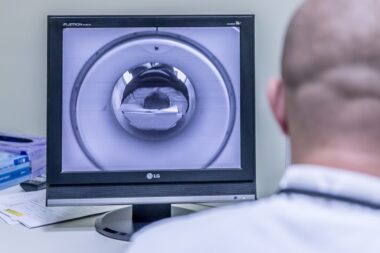
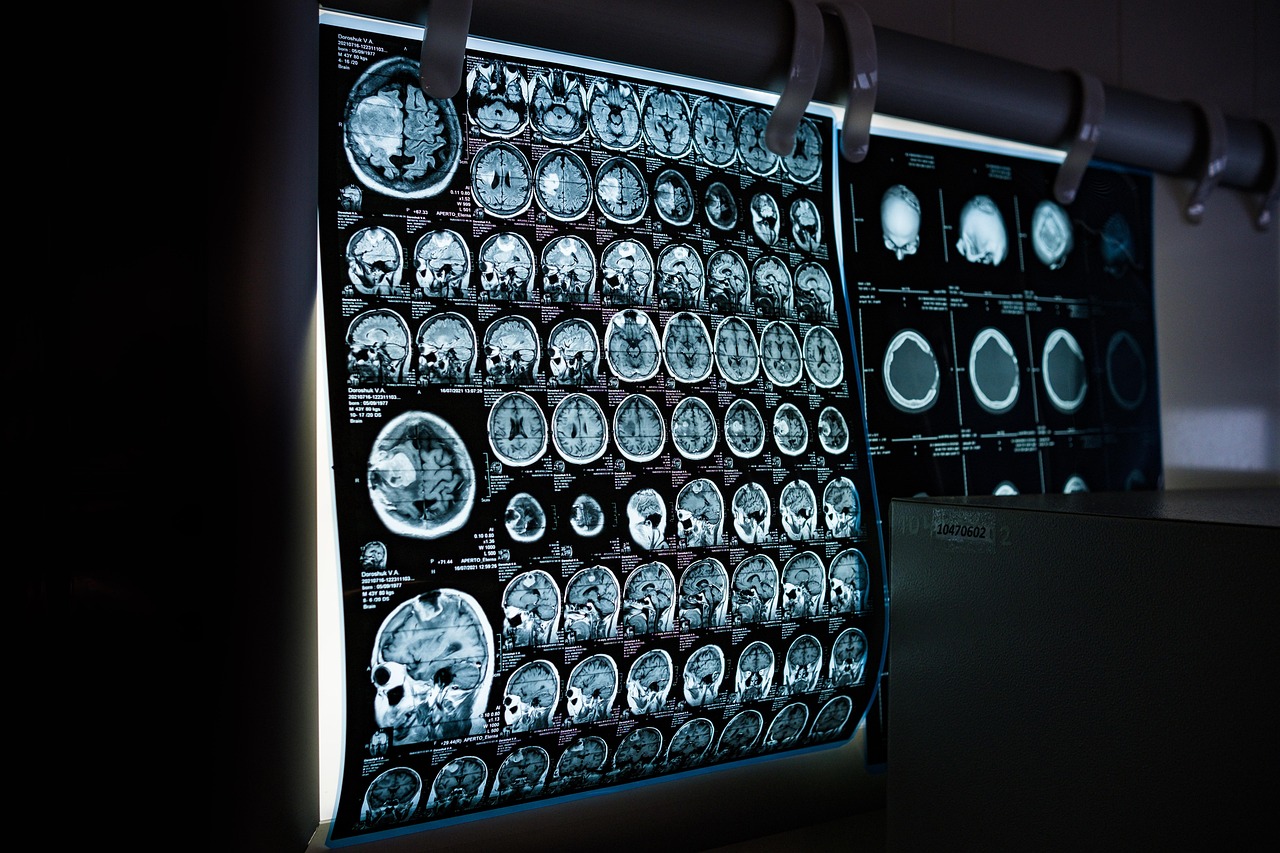
Effective imaging is essential when assessing sports injuries, as it plays a vital role in understanding the extent of damage and the healing process. Imaging modalities like MRI, CT scans, and ultrasounds help to visualize soft tissues, bones, and joints. These techniques assist sports medicine professionals in determining the diagnosis and formulating a rehabilitation plan for athletes. MRI is particularly valuable due to its ability to provide detailed images without exposing patients to ionizing radiation. Furthermore, advanced imaging techniques, such as functional MRI, allow for even deeper insight into recovery periods and movement-related injuries. CT scans, on the other hand, are invaluable for correlating complex fractures usually found in high-impact sports; they provide enhanced detail and clarity. Ultrasound is minimally invasive and helps in guiding therapeutic interventions while monitoring healing progress. By utilizing these imaging tools, sports medicine practitioners gain a competitive advantage in diagnosing and treating injuries, ensuring a comprehensive understanding of the athlete’s current condition. Thus, incorporating imaging techniques into the recovery protocol is essential for a successful return to sport in a safe manner.
The Importance of Accurate Diagnosis
Accurate diagnosis directly influences the success rate of injury management in sports medicine. Imaging techniques are integral to ensuring that the right diagnosis is made. An accurate diagnosis helps tailor treatment protocols that best suit the specific type of injury, whether it be a sprain, strain, ligament tear, or fracture. When an athlete incurs a sports injury, imaging allows practitioners to visualize the affected area, thereby guiding treatment decisions. For instance, if an MRI indicates a significant injury to a ligament, the medical team might recommend a surgical option, whereas a mild sprain may be managed conservatively. Moreover, accurate imaging assessments help in stratifying risk for future injuries. By understanding the precise nature of the injury, practitioners can implement preventive measures. Clinical research supports the link between diagnosis precision and rehabilitation success rates. Athletes equipped with the right information can actively participate in their recovery journey, collaborating with medical personnel to ensure long-term health. Therefore, imaging contributes not only to immediate injury management but also to overall athlete welfare in preventing future occurrences.
Injuries sustained in sports often vary in their severity, and imaging plays a critical role in categorizing these injuries into grades. Practitioners use grading systems to determine the nature of the injuries—minor, moderate, or severe. Imaging further facilitates this classification by providing clear visual representations. When dealing with a muscle strain, for example, ultrasound can help ascertain whether there is partial or complete tearing of muscle fibers. The grade of the injury can dictate the complexity and length of the rehabilitation process. Additionally, understanding the grade allows both athletes and coaches to have realistic expectations regarding recovery timelines. Some injuries may require intensive therapy, while others could heal with simpler rehabilitation techniques and should be monitored closely. These insights enable better management of athletes’ classroom and performance responsibilities. Sports medicine relies on such categorizations to build customized recovery programs tailored to individuals’ unique needs. This ensures athletes receive the right balance of activity and rest to promote optimal healing. Imaging thus stands as a cornerstone in establishing recovery pathways and ensuring that athletes return to their peak performance levels safely.
Monitoring Progress Post-Injury
After an initial injury assessment, consistent follow-ups using imaging techniques help practitioners monitor an athlete’s recovery progress. Regular MRI or ultrasound examinations can track changes in the injury and its healing. These updates provide valuable insights into the effectiveness of treatment protocols, allowing adjustments as necessary. Monitoring includes verifying that inflammation has decreased and structural integrity in the affected area is improving. Timely imaging tests can also identify complications early, such as the emergence of scar tissue that may hinder proper recovery. Furthermore, these assessments can affirm when an athlete might resume full training or competitions based on recovery status. Imaging results give credence to a more objective discussion with athletes regarding their return timelines rather than relying solely on subjective symptom assessments. This transparency builds trust between medical professionals and athletes while increasing compliance with rehabilitation protocols. Athletes can feel more aligned with their healing journey when informed about their recovery based on imaging results. This collaborative approach facilitates timely return-to-sport decisions, representing a blend of science and practical real-world applications where athlete safety is paramount.
Cross-sectional imaging techniques, such as MRI and CT scans, have advanced significantly, revolutionizing how sports injuries are assessed and treated. Innovations in imaging technology allow for quicker and more detailed examinations, leading to faster diagnoses. This rapid turnaround time means that athletes can begin treatment sooner, ultimately shortening their recovery periods. Furthermore, the high-quality images obtained through modern modalities allow for the detection of subtle injuries that may have been previously overlooked. Early detection can be critical in avoiding chronic issues that may affect an athlete’s performance later in their career. The integration of advanced imaging technologies has also fostered collaboration among various specialties within sports medicine, enhancing interdisciplinary care. For example, radiologists work closely with orthopedic surgeons and physiotherapists, ensuring that everyone involved has a comprehensive understanding of the injury. Continuous training and education on these imaging systems ensure that sports medicine professionals remain up-to-date with best practices, enhancing the overall care provided to athletes. This joint effort underlines the significant role that modern imaging technologies play in promoting a tailored and focused rehabilitation strategy for each athlete.
Conclusions and Future Directions
In summary, the role of imaging in assessing recovery from sports injuries continues to evolve. As new imaging technologies and methodologies come into play, they offer profound improvements to both diagnosis and treatment processes. Future advancements in imaging could lead to more portable and cost-effective solutions. This would democratize access to high-quality imaging for athletes at all levels, ensuring that even amateur sports participants can benefit from superior diagnostic resources. Emerging techniques, such as molecular imaging, could provide groundbreaking capabilities in visualizing physiological changes at a cellular level. Such capabilities promise a transformative approach to understanding injury recovery and rehabilitation in sports medicine. The integration of artificial intelligence in imaging analysis could further enhance diagnostic accuracy and enable more personalized treatment protocols. As the field progresses, the collaborative nature among imaging specialists, sports medicine professionals, and athletes is essential. Continuous research and exploration of new modalities enhance our understanding of recovery pathways. The future looks bright as imaging technology continues to play a pivotal role in ensuring safe and effective athlete recovery.
Ultimately, imaging remains a cornerstone in the field of sports medicine, guiding treatment and recovery paths for injured athletes. While the field has witnessed tremendous progress in imaging capabilities over the years, ongoing research and technological improvements will likely yield even more innovative solutions. Sports medicine professionals must engage actively with these advancements. Continuous education and integration of new technologies will significantly influence the management of sports injuries. As we strive for efficiency and effectiveness, the collaboration between medical imaging experts and sports practitioners will become increasingly vital. Athletes, coaches, and medical teams must remain informed about the benefits and limitations of various imaging modalities. By fostering this knowledge, everyone involved can contribute to better outcomes in sports injury management. The journey of recovery is a multi-faceted approach that benefits immensely from the insights provided through imaging. Ultimately, the goal remains clear—to ensure athletes can safely and efficiently return to their performance peaks. Continual investment in understanding imaging’s evolving role will empower sports medicine with the tools necessary for fostering a healthier, safer sports environment, minimizing the risk of future injuries.