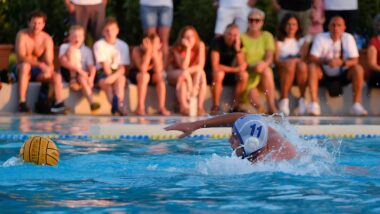
How to Host Water Polo Clinics to Grow the Sport
Water polo clinics are an excellent way to foster interest and skill in the sport among athletes of all levels. Hosting a successful clinic involves careful planning and consideration of various elements to engage participants effectively. Start by defining the objectives of the clinic, whether it’s to teach beginners the fundamentals of the game or refine advanced techniques for more experienced players. Promote the event through various channels, including social media, local clubs, and community centers, ensuring that relevant audiences see your announcements. Organizing logistics is essential; you will need to secure a suitable venue, such as a local pool with adequate depth and space for playing. Additionally, schedule the event at a time that accommodates participants’ availability, ideally during weekends or after school hours for younger athletes. Set a realistic budget that includes coaching fees, facility rental, and equipment costs. Furthermore, focus on creating a welcoming atmosphere that encourages open communication and teamwork among participants. Consider implementing small group sessions so that each athlete receives personalized attention. Finally, gathering feedback post-clinic is invaluable for future improvements and refining your approach.
With the logistics sorted, it’s time to consider the structure of your water polo clinic. Developing a compelling curriculum is crucial for keeping participants engaged throughout the event. Start each session with a warm-up that emphasizes building stamina and flexibility. Introduce exercises that focus on essential skills, such as passing, shooting, and swimming techniques specific to water polo. Design drills that encourage teamwork, as collaboration plays a critical role in successful play. Incorporate fun elements, like friendly games or competitions during the clinic, that help build camaraderie among attendees. Ensure that your coaching staff is well-trained, enthusiastic, and knowledgeable about water polo regulations, as this will enhance the credibility of the clinic. It’s important to cater to different skill levels, providing modifications for beginners and advanced players alike. Encourage participants to express their questions and concerns openly and provide constructive feedback after drills or games. Utilize visual aids or videos to illustrate concepts and strategies more effectively. At the end of the clinic, gather participants for a discussion and share insights about water polo resources, encouraging them to continue learning and practicing beyond the event.
Marketing Your Water Polo Clinics
Marketing strategies are essential for attracting participants to your water polo clinics. Utilize social media platforms, like Facebook, Instagram, and Twitter, to target specific demographics interested in sports and water-related activities. Create engaging content that highlights the unique benefits of participating in a water polo clinic, such as skill improvement, teamwork, and competitive experiences. Use eye-catching visuals, including images or videos of past clinics, to enhance your promotions. Consider collaborating with local schools, swim clubs, and sports organizations to share information about your event, as they already engage with potential participants. Offer special promotions, such as an early bird discount, to encourage sign-ups ahead of time. Additionally, engaging with local newspapers or television stations for coverage can increase visibility. Attend community events, such as sports fairs or school functions, to distribute flyers and talk about the benefits of water polo. Encouraging word-of-mouth referrals can also be effective. Ask former participants to share their experiences and invite friends. Remember that a well-planned marketing strategy not only attracts participants but also creates excitement around water polo in your community.
As you continue planning, keep in mind that creating a supportive environment is crucial for the success of your water polo clinic. Establish clear expectations from the outset, and communicate what participants should expect during the event. Setting a positive tone at the beginning fosters an inclusive atmosphere where every athlete feels comfortable participating. Encourage camaraderie among participants by implementing team-building exercises that promote relationships, trust, and support. Acknowledge both individual and team achievements throughout the clinic, which can help build confidence for new players. Additionally, provide opportunities for participants to offer feedback about their experiences during the clinic, reinforcing the importance of their voices in shaping future clinics. Continuous encouragement and recognition of effort will help athletes stay motivated and engaged. Be sure to incorporate moments for reflection, where athletes can share what they learned and how they plan to apply it in future training or competition. Remember that the ultimate goal is to inspire a passion for water polo that lasts beyond the clinic, establishing lasting connections among participants that contribute to a growth-oriented community.
Evaluating Success and Gathering Feedback
After hosting your water polo clinic, it is essential to evaluate its success and collect feedback for future improvements. Start by reviewing your initial objectives to determine if they were met effectively. Consider participant turnout and engagement levels during the clinic; analyzing these factors helps assess how appealing your event was. Distributing a simple survey to participants at the conclusion of the clinic can be incredibly beneficial. Ask questions related to the overall experience, the effectiveness of drills, coaching staff interaction, and any suggestions for improvement. Pay attention to recurring themes or comments, as they can provide insight into areas that require adjustments or enhancements. Additionally, consider scheduling a follow-up meeting with coaching staff to analyze the clinic’s flow and effectiveness as a team. Gather input on what worked well and what could be executed differently in future events. Recognizing the areas of success fosters a sense of accomplishment and encourages your coaching staff to continue developing their skills as instructors. Ultimately, continual evaluation refines your programs and contributes to a stronger water polo community.
Creating a vibrant water polo community remains the cornerstone of developing interest and participation in the sport. Utilize your clinic as a steppingstone to host regular water polo events, such as tournaments or scrimmages. This promotes ongoing engagement among athletes and invites participants to showcase their abilities. Establish partnerships with local schools and clubs to provide consistent programs and opportunities for young players to continue their involvement with water polo. Encourage families to get involved by facilitating events where parents can volunteer or support their children during matches. Provide resources for athletes to connect outside of clinics and integrate them into local training programs or teams. Engagement doesn’t cease after a single clinic; promoting a calendar of upcoming events can keep interest alive within the community. Consider organizing seasonal leagues for different age groups, allowing players to develop and compete year-round. Collaborating with established water polo organizations can also help secure access to resources, training sessions, and advanced coaching. Building this network within the water polo community is paramount in ensuring the growth and sustainability of the sport for generations to come.
Conclusion: The Future of Water Polo
In conclusion, hosting water polo clinics is a critical aspect of cultivating a passion and proficiency in the sport. To foster a successful water polo environment, it is essential to embrace strategic planning, effective marketing, and community building. Provide resources for ongoing engagement that extend beyond the clinics, ensuring that participants feel supported throughout their water polo journey. Addressing individual player needs, encouraging collaboration, and regularly evaluating your events will refine the quality of training offered. By creating a supportive community, you help inspire athletes to pursue further training, competitions, and lifelong friendships through water polo. As participants strengthen their skills and passion, they will inevitably contribute to the growth and development of the sport. Continued commitment to nurturing talent and passion for water polo is crucial for its future. With emphasis on building a community and training framework that supports participants, you pave the way for new generations to fall in love with the sport. Furthermore, by utilizing diverse strategies to build excitement, these clinics can transform communities, enhancing the water polo landscape for everyone involved.
In summary, the key to hosting successful water polo clinics lies in careful planning, active engagement, and fostering a vibrant community for participants. As athletes take part in skill-building activities, both coaches and organizers must focus on creating an atmosphere that inspires enthusiasm and collaboration. The lasting impact of these clinics extends beyond honing athletic skills; they set the stage for building relationships and encouraging a sense of belonging amongst participants. Well-structured clinics can serve as a catalyst for the growth of water polo, not only by introducing newcomers but also by retaining those already passionate about the sport. The community support provided through shared experiences, resources, and ongoing training opportunities plays a significant role in cultivating future champions. It is crucial to remember that hosting a water polo clinic presents an opportunity to shape the sport’s future positively. As coaches and organizers, fostering connections and ensuring continuous improvement is paramount to sustaining interest in water polo. Ultimately, investing time and effort into these clinics contributes to a thriving water polo culture that will leave a lasting legacy.