
Creative Costuming Ideas for Kids Dance Aerobics Performances
When it comes to kids dance aerobics performances, selecting the right costumes is vital. Costumes can significantly boost the overall appeal and impact of the performance. A well-thought-out costume not only enhances the dancers’ movements but also adds flair to the show. Incorporating bright colors and fun designs will excite the young performers and capture the audience’s attention. By aiming for creativity, themes can reflect various concepts such as nature, seasons, or fantasy characters. Also, when considering fabric, **comfort* and movement are crucial. Choosing lightweight, breathable fabrics will allow kids to dance freely without hindrance. Accessories like tutus, hats, or colorful wigs can amplify the visual excitement of the performance. Many dance studios involve parents in the creative process, encouraging them to participate in costume design. Ultimately, the goal is to create costumes that resonate with both the children and the spectators. Collaborating with young dancers ensures costumes reflect individual personalities, fostering engagement and excitement. As routines progress, these creative outfits contribute to a memorable performance experience for everyone involved.
Consideration of the costume theme is essential for enhancing the narrative of the dance. Themes can vary greatly, so picking one that resonates with the children involved is pivotal. For example, a superhero theme allows kids to dress as their favorite characters, encouraging imagination. Every costume should encourage each child to feel confident in their performance. Additionally, a magical forest theme can incorporate elements of nature, infusing costumes with leaves, flowers, and vibrant colors. Utilizing different textures such as sequins, feathers, or metallic fabrics adds dimension and interest to the costumes. Layering is another technique that may work, creating multidimensional looks that can evolve throughout the performance. Costumes that transition between two styles can engage the audience continuously. Furthermore, themes should include options that are easily adaptable for male and female dancers alike. Gender-neutral designs help foster inclusivity and fun, encouraging full participation. Ultimately, having a cohesive theme makes the dance more synchronized, creating a magical experience for both the dancers and spectators by telling a captivating story through movement and costumes. These thematic choices can significantly enhance overall performance effectiveness.
DIY Costume Ideas for Kids
Creating DIY costumes for kids dance aerobics is a thrilling way to express creativity while also being budget-friendly. Parents can utilize various materials found at home to design unique costumes that stand out. An old pair of leggings can be transformed into colorful dance gear with some fabric paint, allowing for personalized touches. Encouraging kids to assist in the crafting process often leads to increased excitement and ownership over their costumes. Using recycled materials, like cardboard or plastic bottles, opens up numerous design possibilities, leading to innovative creations. Costumes representing animals, planets, or fantasy characters can be made from straightforward items, making them affordable yet memorable. Crafting sessions also promote family bonding, wherein parents and kids can share ideas and experiences. Moreover, the creativity that comes from DIY costumes might inspire unexpected performances and choreography. It’s crucial to ensure safety during the crafting process, using non-toxic materials and adhering to fire safety guidelines. In the end, these DIY costumes can become treasured mementos for children, retaining memories of their dance journeys. This approach underscores a collaborative spirit while bringing out the artist in every child through their costume-making adventures.
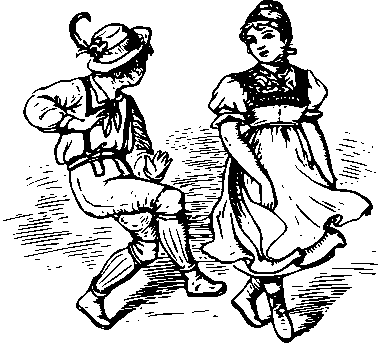
Incorporating cultural elements into dance aerobics costumes provides an opportunity for educational experiences. Celebrating cultural diversity through performance encourages children to express appreciation for different backgrounds. For instance, traditional clothing from various cultures can inspire dance outfits, showcasing intricate designs and fabrics that storytell through movement. When choosing cultural themes, it’s essential to approach them with respect and understanding, ensuring an accurate representation. Collaborating with parents from those backgrounds can enhance authenticity and involvement. Kids can work together to create pieces hands-on, fostering cultural appreciation. Additionally, research about the culture can serve as an educational component, enriching their understanding of its significance. Thus, the costumes become more than just performance outfits; they turn into cultural symbols that encourage pride and knowledge. Costumes featuring traditional patterns, motifs, or colors also represent the blend of artistic expression with cultural appreciation. Developing a routine that highlights the history behind the costume fosters discussions on diversity and acceptance. Ultimately, engaging with cultural themes allows children to have fun while learning meaningful lessons, amplifying the vibrancy and richness of their performances.
Functionality in Dance Costumes
While creativity is essential in costume design, functionality is equally important for kids dance aerobics. Children need to perform movements comfortably and confidently without worrying about costume malfunctions. Choosing stretchy and breathable materials like spandex ensures they can move freely during energetic routines. Costumes should be fitted appropriately; loose costumes can hinder performance, while overly tight options restrict movement. Including elements such as shorts or additional layers of breathable fabric can provide comfort without sacrificing style. Parents can help children practice in their costumes before the final performance, ensuring versatile outfits retain comfort during vigorous activities. Dance shoes play a vital role too; they should be suitable for dancing and performing, offering proper support and grip. Costume accessories should also be lightweight and secure, avoiding any distractions during the performance. Planning for quick changes is crucial; using zippers or elastic bands makes transitions smoother. Additionally, avoiding excessive embellishments can minimize the risk of tripping or getting tangled during dancing. All in all, focusing on functionality leads to more enjoyable performances, allowing kids to shine without anxiety about their costumes, enhancing their overall dance experience.
Accessorizing costumes can significantly elevate their visual appeal in kids dance aerobics performances. But it’s essential to ensure that accessories are age-appropriate and safe. Fun elements such as headbands, wristbands, or themed jewelry can enhance playful appearances. Choosing bright colors that match or contrast with the costume theme helps create a cohesive look, capturing the audience’s attention instantly. Consider using items like glow sticks or LED accessories for nighttime performances, adding a magical touch that can transform the routine. However, moderation is key; overloading on accessories could impact performance quality. Dancers should feel comfortable with their accessories, ensuring they do not pose any risk of distraction. Temporary tattoos or face paint can also offer personalized flair, enabling kids to express their identities. Instead of relying solely on store-bought accessories, creative parents can craft unique pieces, engaging children in the process and creating memorable experiences. The excitement surrounding accessorizing adds an extra fun layer to the performance, allowing kids to feel more confident and express themselves through their costumes. When done thoughtfully, accessories amplify the performance dynamics, leaving a lasting impression on the audience.
The Importance of Rehearsal Attire
Choosing rehearsal attire before the big performance significantly impacts kids’ confidence levels. Children can practice in comfortable outfits that mimic their costumes to prepare for upcoming routines. Familiarizing themselves with rehearsal attire allows dancers to adjust to movements while developing their routines. Key considerations include selecting attire that is supportive and allows for easy movement, along with maintaining the overall theme. Regular practice in similar costumes eventually leads to mastery of choreography without feeling restricted. Parents can encourage their children to choose rehearsal outfits that aren’t too dissimilar from actual performance costumes, promoting comfort during their dance sequences. Additionally, this approach minimizes anxiety on performance day, allowing kids to feel more at ease. It also helps in identifying any potential issues early on, preventing wardrobe malfunctions later. Engaging children in decisions about rehearsal attire encourages autonomy, enhancing their confidence and excitement about the performance. This step in preparation can prove invaluable, creating a more seamless transition into wearing their costumes during the performance, thus, supporting a satisfactory overall experience for everyone involved. The emphasis on rehearsal attire aligns focus and fosters teamwork among the kids, promoting enthusiasm.
Costumes can leave a lasting impression on the audience, enhancing the value of kids dance aerobics performances. Evaluating different elements while creating costumes fosters creativity and unity among young dancers. Allowing children to contribute ideas encourages ownership and the personal connection to their performance. The final result is an exciting showcase where kids feel proud of their vibrant costumes while performing. It’s crucial to evaluate functionality for ease of movement while ensuring that costumes are visually appealing. Every costume tells a story during the performance, making thoughtful design a central consideration. Preparing the costume weeks in advance can alleviate stress, allowing ample time for fittings and adjustments. Parents can strategize costume maintenance, ensuring each outfit stays clean and ready for the big day. Professional guidance or consultations with experienced costume designers could also enhance creative ideas. Ultimately, insightful considerations and collaboration during the costume planning process heighten the excitement of the performance, emphasizing teamwork among dancers and families. The result is a memorable experience that leaves spectators in awe, showcasing the unique talents and creativity of every young performer in dance aerobics.