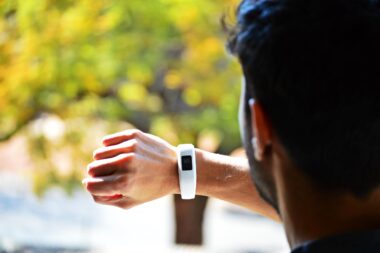

Real-Time Posture Correction: How Devices Provide Instant Feedback
In today’s digital age, maintaining a healthy posture has become increasingly challenging. Many people spend long hours hunched over screens, leading to discomfort and long-term health issues. Fortunately, technology has advanced to address these challenges with posture monitoring devices that provide real-time feedback. These innovative gadgets help users maintain optimal body alignment by alerting them when they stray from correct posture. It is essential to understand the importance of posture awareness and how these devices can enhance overall wellness. Researchers indicate that poor posture not only contributes to physical pain but also impacts mood and productivity. With the introduction of smart algorithms designed to track posture, users can now receive immediate notifications, prompting them to make necessary adjustments. Additionally, various wearable options, from smartwatches to dedicated sensors, are available to suit different lifestyles. The data collected over time contributes to personalized insights, further aiding users in developing better habits. This approach not only enhances awareness but also empowers individuals to take control of their physical health and well-being. Making small changes based on feedback from these devices can significantly improve daily comfort and productivity.
Understanding Posture Monitoring Technology
Posture monitoring technology encompasses a range of devices that detect body alignment using different methods. Many products utilize sensors that track angle and position, sending real-time data to smartphones or computers. The technology is designed to be user-friendly, making it accessible for people from all walks of life. With an intuitive interface, users can easily monitor their posture and receive actionable insights. Advanced algorithms play a critical role in analyzing data from these sensors, enabling personalized recommendations based on individual posture habits. Some devices use vibrations to alert users, while others employ visual cues on connected applications. The seamless integration of posture monitoring into everyday devices, such as wearables, makes it easier for users to adopt better habits consistently. Whether you’re at work, exercising, or even relaxing at home, these devices provide encouragement to maintain proper posture throughout various activities. Additionally, many of these products are designed with comfort in mind, ensuring ease of use so that users can wear them for extended periods without discomfort. By incorporating these technologies into daily routines, individuals can benefit from enhanced focus and decreased physical strain.
Moreover, according to studies, consistent use of posture monitoring devices has led to undeniable improvements in posture among users. Those who engage with these gadgets tend to maintain healthier habits after receiving continuous reminders and encouragement. This shift is not only important for physical health but also vital for mental clarity and emotional well-being. Encouraging positive body mechanics can decrease fatigue and increase energy levels throughout the day. By being mindful of posture, users report an overall enhanced sense of self-awareness and confidence. Many devices allow users to set personal goals, focusing on specific improvements they wish to achieve over time. These achievable targets further motivate individuals to stay committed to correcting their posture. Furthermore, some devices offer the ability to track progress over weeks and months, giving users insight into their improvements. The visual representation of progress can serve as a powerful tool to encourage continuation of healthy habits. These combined factors contribute to making posture monitoring not just a helpful technology but essential for anyone aiming to improve physical wellness in their daily activities.
The Role of Feedback in Posture Correction
Instant feedback is one of the most revolutionary aspects of posture monitoring devices. Users can receive alerts when they slouch or adopt incorrect postures. This immediate response fosters greater awareness of body alignment, allowing users to adjust their posture promptly. Continuous feedback reinforces good habits and makes it easier for users to remember to check their alignment throughout the day. The incorporation of gamification in some apps adds an engaging layer to practice posture correction. By rewarding consistent efforts, users often find themselves motivated to comply with recommended practices. These vivid reminders can also be tailored according to the user’s preference, ensuring a personalized experience. Personalized reminders can reduce the overwhelming sense of pressure to maintain perfect posture all the time. Notably, users report feeling more in control of their bodies, which can lead to a significant boost in mental well-being and productivity. Moreover, as customers become accustomed to this technology, the chances are that they will sustain these lifestyle changes, resulting in long-term benefits for overall health. The journey towards improved posture transforms into an enjoyable yet profound experience with the right tools.
Emphasizing the importance of usability, many posture correction devices feature elegant, minimalist designs that seamlessly blend into everyday life. Users are often more likely to utilize these devices if they’re comfortable and unobtrusive to wear. Beyond functionality, the aesthetic appeal of these devices also plays a role in encouraging daily engagement. These products are available in various forms, such as wearable straps or smart shirts, emphasizing versatility catering to different preferences. The goal is to integrate posture awareness into daily routines without disrupting lifestyle or comfort. Furthermore, the evolving technology within these devices leads to improvements in battery life, allowing for prolonged use without frequent recharging. Enhanced connectivity options means users can integrate their posture monitoring devices with various virtual platforms and services. This interlinking provides a comprehensive wellness experience that combines physical health and digital engagement. As the conversation around ergonomics grows in our society, these devices can empower individuals to actively participate in enhancing their posture habits through technology. Such advancements pave the way for better health education and community support on the subject.
Future of Posture Monitoring Technology
Looking ahead, the future of posture monitoring technology appears promising. Innovations in artificial intelligence and machine learning are set to revolutionize how these devices analyze data. These advancements will likely lead to even more precise monitoring capabilities and improved personalization. Moreover, we can also expect the range of sensory technology to expand, integrating advanced biometrics to offer deeper insights into physical health. For instance, future devices might analyze muscle tension or fatigue levels, providing even more comprehensive feedback for users. Research continues to emphasize the link between present posture and future health outcomes, making this an important area of focus for consumer technology. As professionals and educators push for better ergonomics, we can expect posture monitoring to become more widespread in both personal and professional settings. Schools and workplaces may adopt these technologies as standard tools for promoting health and productivity. Additionally, collaborations between health professionals and technologists will pave the way for effective solutions tailored to different populations, ultimately enhancing the overall understanding of ergonomics. These initiatives will not only improve individual health but also foster healthier communities.
Finally, the importance of education in posture correction cannot be overstated. Using posture monitoring devices complements education about proper body mechanics and ergonomics. Users encouraged to understand their body dynamics can maximize the benefits of the technology they use. Workshops, seminars, and online resources can supplement these technologies by reinforcing the significance of maintaining proper posture in various settings. Educators can disseminate practical tips that users can apply alongside their posture monitors for a holistic approach. This situation will enhance the overall experience and pave the way for enduring lifestyle changes. Additionally, communities can be built around the shared goal of improving posture, allowing people to support and motivate each other. Engaging with peers can shift the focus from viewing these devices as mere gadgets to essential aids for overall health. By creating a supportive environment, individuals might feel encouraged to explore interactive educational sessions alongside device usage. This combined effort will contribute positively to the growing awareness of posture correction’s role in individual and collective wellbeing. Ultimately, real-time feedback from devices harmonizes with educational resources to foster a culture of health and wellness.
In today’s digital age, maintaining a healthy posture has become increasingly challenging. Many people spend long hours hunched over screens, leading to discomfort and long-term health issues. Fortunately, technology has advanced to address these challenges with posture monitoring devices that provide real-time feedback. These innovative gadgets help users maintain optimal body alignment by alerting them when they stray from correct posture. It is essential to understand the importance of posture awareness and how these devices can enhance overall wellness. Researchers indicate that poor posture not only contributes to physical pain but also impacts mood and productivity. With the introduction of smart algorithms designed to track posture, users can now receive immediate notifications, prompting them to make necessary adjustments. Additionally, various wearable options, from smartwatches to dedicated sensors, are available to suit different lifestyles. The data collected over time contributes to personalized insights, further aiding users in developing better habits. This approach not only enhances awareness but also empowers individuals to take control of their physical health and well-being. Making small changes based on feedback from these devices can significantly improve daily comfort and productivity.