
Yoga Poses That Help Boxers Recover Faster
Yoga has become an integral part of many athletes’ routines, especially boxers who often experience intense physical strain. Recovery techniques are vital for enhancing performance and reducing injuries. One of the most effective recovery techniques is yoga, which promotes flexibility, strength, and mental peace. Incorporating yoga poses into your workout routine can significantly help with muscle recovery after a boxing session. One pose that stands out for boxers is the Downward-Facing Dog. This pose helps stretch the hamstrings, calves, and shoulders, diminishing soreness while improving overall range of motion. Additional poses like Child’s Pose and Cat-Cow can aid in alleviating tension in the back and neck areas, which are often stressed during training. Furthermore, practicing yoga enhances breath control, allowing boxers to maintain focus throughout their matches. Combining these yoga routines with boxers’ existing training regimens can create a well-rounded approach to fitness.
Child’s Pose to Release Tension
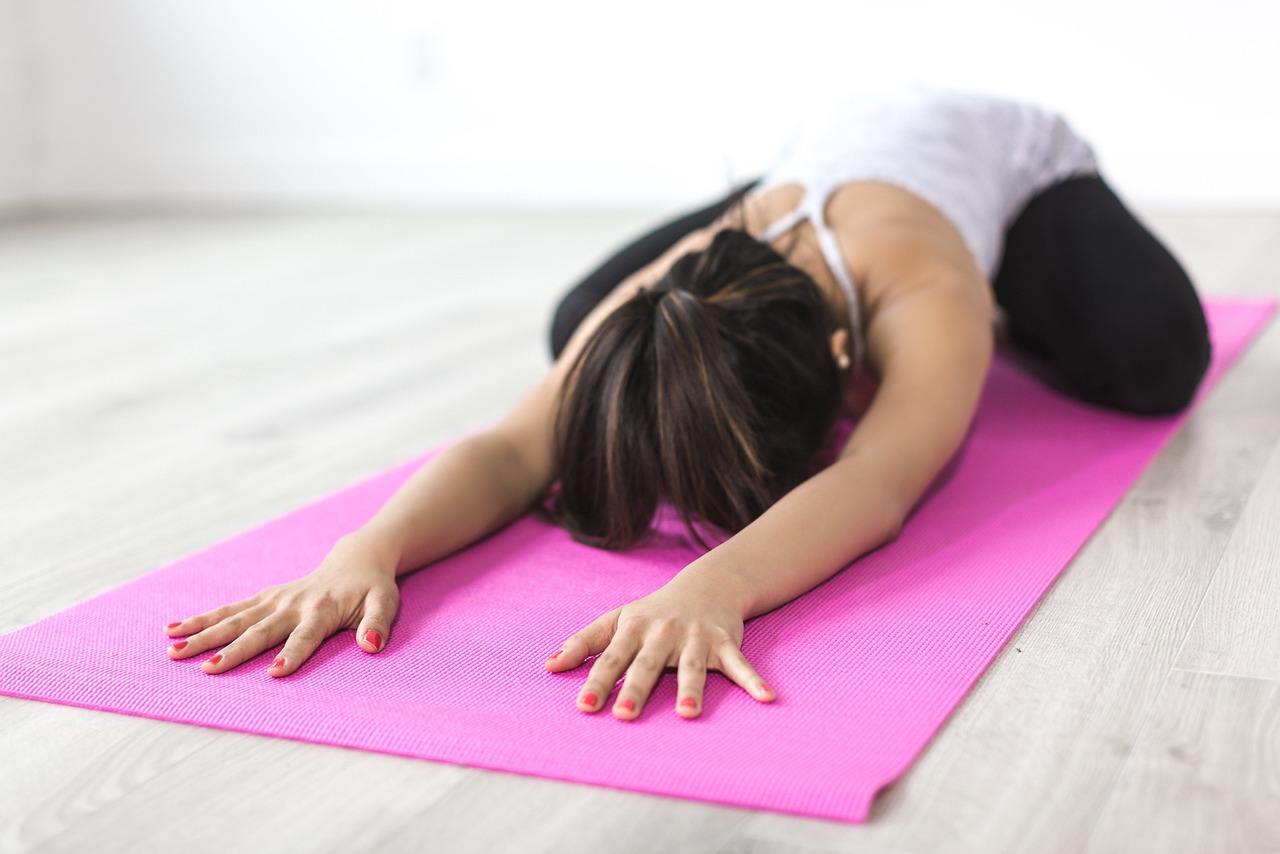
Child’s Pose, or Balasana, is a restorative yoga pose that allows boxers to find comfort and peace. To perform this pose, kneel on the mat with your toes together and buttocks resting on the heels. Gradually bend forward, extending your arms while relaxing your head on the ground. This position provides a gentle stretch to the back and helps alleviate tension while allowing the body to recuperate. After an intense boxing workout, this pose contributes to calming both the mind and body. By focusing on deep, rhythmic breaths, your muscles release tightness, fostering recovery. Additionally, Child’s Pose can enhance the flexibility of the hips and spine, crucial areas for boxers. Many athletes incorporate this pose into their cooldown routines to further boost recovery. Ensuring that your muscles relax after a session aids in the prevention of injuries. Overall, integrating Child’s Pose into your training offers not only physical benefits but also mental restoration, essential for maintaining competitive performance.
The next beneficial pose for boxers is the Cobra Pose, known for its role in strengthening the back and enhancing abdominal flexibility. This pose starts with lying face down, positioning the hands beneath the shoulders. As you gently lift your chest off the ground, keep your elbows close to your body. This extension opens the chest, promoting increased oxygen flow, which is beneficial for recovery. The Cobra Pose helps boxers release tension from their core, facilitating easier movement during fights. It’s essential in creating balance in your training, especially after rigorous workouts targeting the upper body. This increased flexibility and strength contributes to improved power in punches and sustained energy. Boxers often overlook back recovery, but integrating this pose into the routine can prevent future injuries. Recovery hinges not only on physical techniques but also on mental fortitude. This pose provides a moment of tranquility, allowing for reflection and focus. Ultimately, regular practice of the Cobra Pose manifests in enhanced athletic performance and faster recovery times.
Warrior II for Strength and Stability
The Warrior II pose, or Virabhadrasana II, is essential for boxers looking to build strength and stability. To execute this pose, stand with your legs wide apart and rotate one foot out while bending the knee over the ankle. Extend your arms parallel to the ground, gazing forward over your front hand. This pose not only strengthens the legs and core—vital components in boxing—but it also opens the hips, enhancing mobility. Warrior II promotes solid grounding and helps boxers feel more centered and balanced, which positively impacts their footwork and techniques in the ring. Beyond physical benefits, this pose instills a sense of confidence and focus. Practicing Warrior II fosters mental resilience, translating that determination into the boxing arena. Stability in footwork is crucial, as it allows boxers to evade blows and position themselves effectively. Regular incorporation of this pose into your routines ensures optimal performance levels in the gym and during actual matches, highlighting yoga’s significant role in a boxer’s recovery and overall training strategy.
Another excellent recovery pose to consider is the Reclined Hand-to-Big-Toe Pose, also known as Supta Padangusthasana. This pose is particularly beneficial for boxers who experience tightness in their hamstrings after high-intensity workouts. Begin by lying on your back and lifting one leg towards the ceiling, holding it gently with both hands. This stretch improves hamstring flexibility while also calming the nervous system, crucial post-fight. With each breath, aim to relax deeper into the stretch, allowing your leg to extend further without strain. Maintaining flexibility in the hamstrings allows boxers to execute their techniques more effectively and reduces the risk of injury. Most importantly, this pose provides a great way to unwind and let go of accumulated tension after rigorous training. Consider integrating this pose immediately after intense workouts or sparring sessions to enhance recovery times. Remember, a flexible body allows for improved performance, and the Reclined Hand-to-Big-Toe pose provides exactly that. Ultimately, practicing this pose regularly supports boxers’ long-term goals both in recovery and performance enhancement.
Pigeon Pose for Hips and Lower Body
Pigeon Pose, known as Eka Pada Rajakapotasana, is a powerful yoga pose for boxers focusing on hip flexibility and lower body recovery. This pose opens the hips, enhancing the strength and mobility essential for effective footwork in the ring. To initiate Pigeon Pose, start in a tabletop position and bring one knee forward, placing it behind your wrist. Extend the opposite leg straight back while keeping the spine long. This gentle stretch targets the hip rotators and can help release tension built up from boxing drills. Regular practice of Pigeon Pose ensures that boxers maintain a strong and agile lower body, which is critical for explosive movements. Moreover, it encourages deep breathing, fostering relaxation and aiding mental focus. By enhancing hip flexibility, boxers gain better stability and control during fights, leading to improved performance. Incorporating this pose into your recovery regimen can aid in injury prevention and accelerate muscle recovery, solidifying its importance in a boxer’s training and recovery plan. Make it a point to practice this pose to enjoy its extensive benefits.
Finally, the Bridge Pose is an essential recovery position that promotes strength, flexibility, and rejuvenation. The Bridge Pose engages the core, glutes, and back, making it beneficial for boxers looking to rehabilitate their lower body after training. To perform this pose, lie on your back and bend your knees, feet flat on the floor. Gradually lift your hips while pressing your arms into the ground to support your body weight. This pose not only strengthens the back and improves spinal flexibility but also enhances blood circulation throughout the body. Increased circulation aids recovery, bringing necessary nutrients to fatigued muscles. Additionally, the Bridge Pose calms the mind and body, encouraging relaxation after a strenuous workout. Regular integration of this pose into your recovery routine keeps boxers rejuvenated and focused. It also helps in improving posture and balance, crucial elements for any boxer. As a final component of your yoga practice, the Bridge Pose reinforces the synergy between physical strength and mental clarity, ensuring boxers remain at their peak performance. Commit to this practice regularly for significant recovery benefits.
Conclusion: Embracing Yoga in Recovery
Incorporating yoga poses into a boxer’s training and recovery regimen can lead to tangible advantages. Enhanced flexibility, strength, and mental focus are just some benefits these poses offer. From Downward-Facing Dog to Bridge Pose, each pose allows for improved recovery after intense workouts. Additionally, these poses create a moment for boxers to center themselves mentally, which is equally important in their sport. The beauty of yoga lies in its adaptability, enabling boxers to tailor sessions that suit their recovery needs. By embracing these yoga techniques, boxers pave the way for better performance, reduced injury risk, and improved overall well-being. Taking the time to integrate yoga not only boosts recovery but also enriches a boxer’s overall athletic identity. Prioritizing recovery is vital in a sport where physical strain is inherent. Thus, creating an effective blend of boxing training and yoga is essential for aspiring champions. Ensure consistency in practice for optimal results and greater long-term success. The advantages of yoga in recovery are immeasurable, proving that balance is key in the demanding world of boxing.