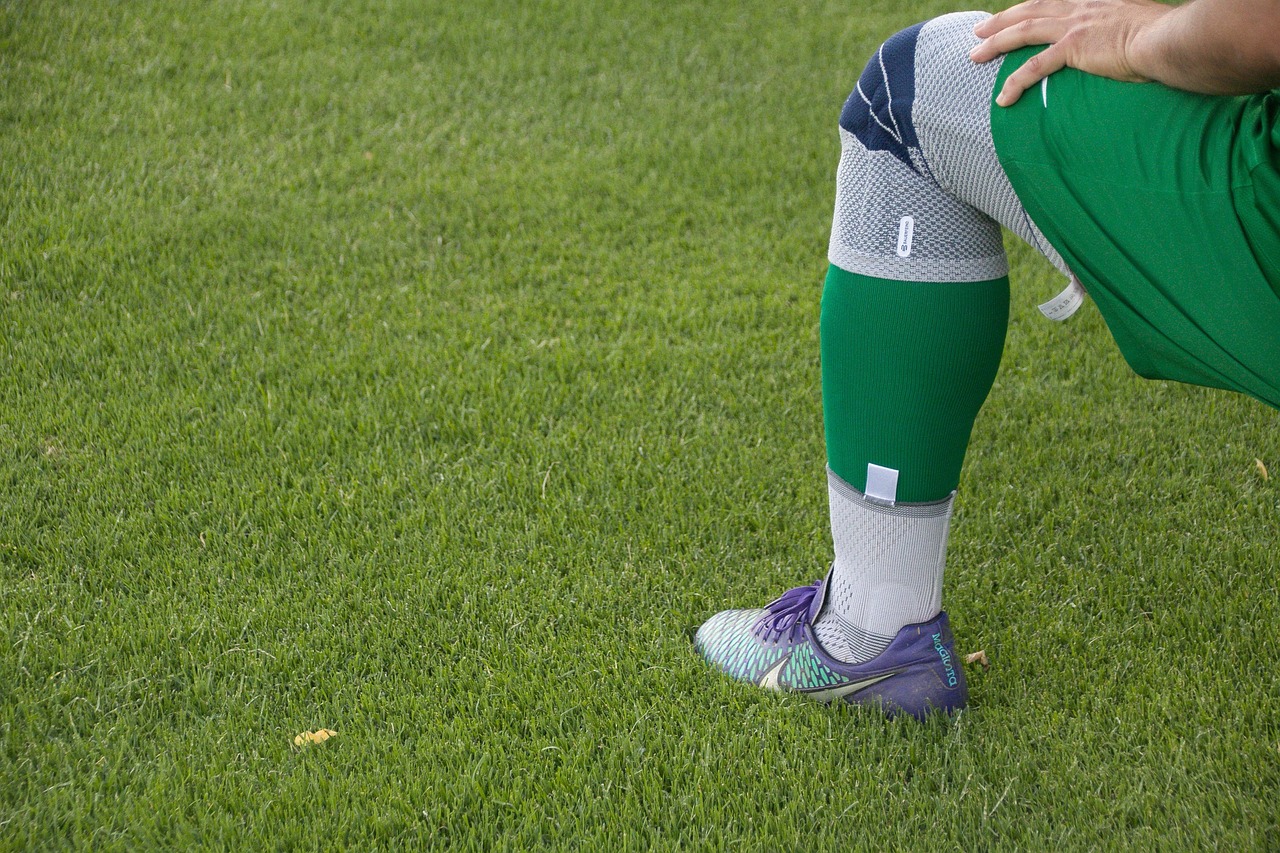

How to Avoid Injuries During Triathlon Run Training
When it comes to triathlon run training, avoiding injuries should be a top priority for all athletes. A solid training plan focuses on slowly building up mileage and incorporates various elements to keep the body healthy. It’s essential to listen to your body and recognize warning signs of fatigue or strain. Start by gradually increasing your running distance each week by no more than 10%. Consider varying your training surface; running on softer surfaces can greatly reduce impact forces on your joints. Proper footwear is crucial; choose shoes that provide the right support for your running style and fit well. Make sure to include strength training exercises, as they improve stability and help prevent injuries. Rather than only focusing on running, ensure to integrate cross-training activities such as swimming and cycling that build endurance without added stress. Flexibility training, including yoga or stretching, can significantly enhance muscle elasticity, thus preventing strains. Adequate rest is fundamental to recovery. Encourage specific rest days during your weekly training schedule. Following these guidelines can contribute to a safer and more effective triathlon run training experience.
Strength Training Basics
Strength training plays a pivotal role in preventing injuries during triathlon run training. By incorporating strength exercises, runners can build muscle resilience and improve overall performance. Focus on exercises targeting the core, hips, legs, and upper body, which are essential in maintaining proper running form. Suggested exercises include squats, lunges, and planks. These movements strengthen major muscle groups, enhance balance, and boost coordination. Additionally, don’t forget about functional training, which mimics real-life movements and helps with muscle conditioning. Resistance bands and bodyweight exercises are fantastic for athletes at any level. Aim for two to three strength training sessions each week, ensuring you allow at least a day of rest in between sessions. However, focus on quality over quantity; six sets of effective exercises will outperform fifteen sets of ineffective ones. As you progress, gradually increase resistance or the number of repetitions for continued improvement without risk of injury. Proper technique is vital, so consider working with a coach or trainer if you’re unfamiliar with strength exercises. Establishing a solid strength foundation directly correlates to injury reduction in the long run.
Prior to starting any run training program, establishing an effective warm-up routine is critical. Engaging in a thorough warm-up prepares your muscles, increases blood flow, and enhances your range of motion, ultimately minimizing injury risk. Start with aerobic activities like jogging or brisk walking for around five to ten minutes. Follow this by stretching to improve flexibility; dynamic stretches are especially beneficial before runs. These could include leg swings, walking lunges, or toe touches. Dynamic warm-ups not only warm up the body but also activate muscles used in running. Ensure that core muscles are activated as well, as they are crucial for maintaining form during long runs. A regular warm-up routine will help create a positive habit, fostering injury prevention while enhancing performance. After completing a run, reverse the warm-up with a cool-down phase. This lowers heart rate properly and assists in muscle recovery. End your session with static stretches targeting the legs, hips, and back. Maintain each stretch for at least 20-30 seconds for optimal results. Consistently applying this warm-up and cool-down approach will greatly benefit your body and training outcomes.
Hydration and Nutrition
During triathlon run training, adhering to proper hydration and nutrition protocols is essential for sustaining performance and preventing injuries. Staying hydrated is crucial as even slight dehydration can lead to fatigue and muscle cramping. Set a goal to drink water throughout the day, adjusting for the intensity and duration of your training sessions. Consider using an electrolyte drink if your workout exceeds an hour, as this also replenishes essential minerals lost through sweat. In terms of nutrition, focus on a balanced diet rich in carbohydrates, proteins, and healthy fats. Carbohydrates fuel your body for demanding workouts, while protein aids recovery, and fats provide sustained energy. Timing your meals and snacks appropriately can make a significant difference as well. Aim to consume a light snack containing carbohydrates and protein about 30 to 60 minutes before your runs. Post-run, a full meal within two hours will kickstart your recovery. Whole foods such as fruits, vegetables, lean meats, and whole grains should be staples in your regimen. Alanine provides an amino acid foundation essential for muscle health, while omega-3 fatty acids naturally reduce inflammation.
Listening to your body is an integral aspect of avoiding injuries during triathlon run training. Understanding how your body responds to various training stresses will enhance your training regimen’s effectiveness. Track your training sessions meticulously, paying attention to your energy levels, any discomfort, or pain experienced during or after running. Establish a baseline for what feels normal; consistently feeling fatigued or experiencing pain may indicate a need to adjust your training. Early signs of injury often manifest as persistent soreness, discomfort, or swelling; address these symptoms promptly. The R.I.C.E method (rest, ice, compress, elevate) can be utilized for managing symptoms of minor injuries. Prioritize sleep, as quality rest is paramount for recovery and overall well-being. Remember that it’s okay to take a day off for recovery, and if pain persists, consult with medical professionals or sports physiotherapists for guidance. Avoid the common athlete’s pitfall of pushing through pain, which can lead to overuse injuries and longer recovery times. Having a well-rounded and attentive training approach ensures that you will be able to enjoy running in the long term without setbacks.
Cross-Training Benefits
Integrating cross-training into your triathlon training plan is an effective strategy for preventing injuries. Engaging in different forms of exercise diversifies your muscle usage, alleviating stress from redundant movements associated with running. Swimming is an excellent low-impact alternative that is particularly beneficial for triathletes. It builds endurance and strengthens muscles without the risk of overuse injuries. Cycling also complements running training, improving cardiovascular fitness while being gentle on the joints. Select alternate activities that maintain aerobic fitness yet involve different muscle groups to ensure a balanced regimen. Fitness classes, such as yoga or Pilates, can enhance flexibility, strength, and mental focus, all vital components for any athlete. Allocating specific days for cross-training can prevent monotony in training and provide vital rest periods for running muscles. Encouraging recovery from high-impact exercises helps mitigate the risk of injury and promotes overall body wellness. In addition, the variation keeps motivation high, leading to improved adherence to the training program. Ultimately, a well-structured cross-training routine will contribute immensely to injury prevention and enhance overall performance during triathlon runs.
Finally, make sure to incorporate rest and recovery into your triathlon training program. Recovery is essential for muscle repair, growth, and injury prevention. Ignoring rest days can result in overtraining, leading to fatigue and increased injury susceptibility. Schedule at least one full rest day per week into your training plan, and pay attention to your body’s cues for when it needs additional rest. Active recovery days may involve light activity such as walking or gentle stretching, helping to promote blood circulation without undue stress. Stretching post-exercise enhances flexibility and aids recovery, while foam rolling can help alleviate muscle soreness and prevent tightness. Adequate sleep should not be overlooked as it is critical for recovery; prioritize getting seven to nine hours each night. Nutritional intake post-training serves as fuel for muscle repair and energy replenishment. Consider utilizing recovery tools such as compression garments, ice baths, or massage therapy to enhance recovery strategies. Overall, a balanced approach to rest and recovery will greatly enhance the effectiveness of your training, ensuring longevity in your running endeavors and performance efficiency.