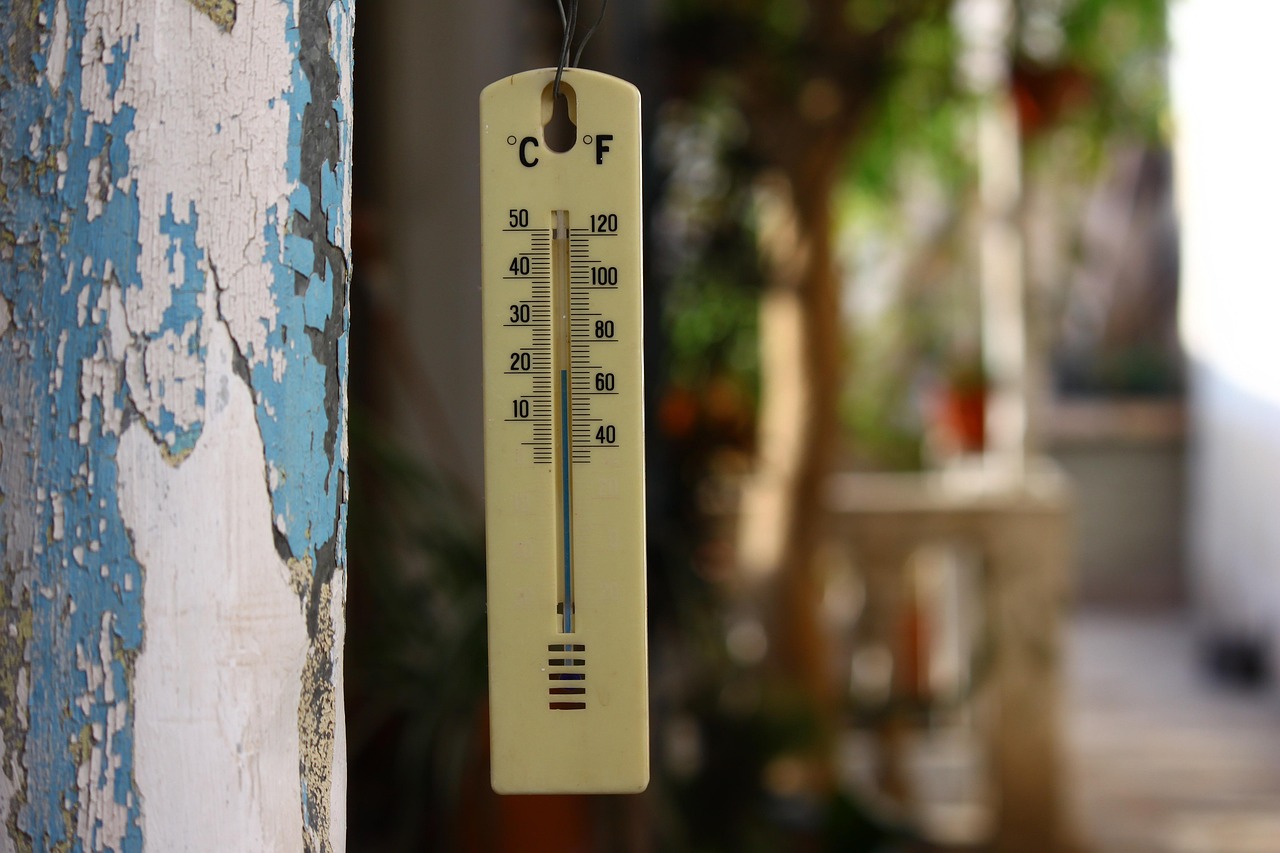

Introduction to Wearable Thermometers in Fitness
Wearable thermometers have become increasingly popular for fitness enthusiasts aiming to monitor their body temperature accurately. These devices provide essential data about physical exertion and overall health, which is crucial during intense workouts. However, several environmental factors influence their accuracy, potentially compromising fitness outcomes. Understanding these various elements will lead to more effective use of wearable thermometers in fitness routines. For manufacturers and users alike, awareness of how factors such as humidity, ambient temperature, and user physiology can affect performance is vital. In specific contexts, the precision of these devices can vary significantly. This inconsistency may arise due to external conditions that either enhance or diminish sensor capabilities. Manufacturers are working to minimize these hindrances by improving sensor technology and algorithm calibration. Users must also engage in a thorough understanding of how to optimally use their devices. With ongoing advances in technology, it is critical to keep up with the latest developments, ensuring the accurate collection and analysis of temperature data during fitness activities. Staying informed about best practices directly contributes to optimal performance and safety in various exercise environments.
The impact of ambient temperature on wearable thermometers cannot be understated. Wearable thermometers are susceptible to changes in the external environment, particularly heat and cold. Temperature extremes can skew results, potentially leading to inaccurate readings. For instance, if users exercise in an extremely hot environment, the sensor may pick up external heat rather than providing a true indication of body temperature fluctuations. Conversely, in cold conditions, sensors may fail to register a temperature change accurately. Ideally, users should ensure that their thermometer is calibrated and adjusted to the specific environment in which they are exercising. This practice boosts the reliability of data collected. Additionally, choosing the right location on the body for the thermometer can also mitigate inaccuracies. For example, monitoring temperature from the wrist may yield different results compared to using an armpit-based thermometer. Manufacturers must provide clear guidelines to users regarding optimal positioning and conditions for accurate readings. Regularly reviewing device setups in various conditions ensures that fitness enthusiasts can respond appropriately to their body’s temperature fluctuations during physical activities.
Humidity and Its Effects
Another key factor influencing wearable thermometer accuracy is humidity. High humidity can cause discomfort for the user while also affecting the functionality of the device. When humidity levels rise, the delicate sensors in wearable thermometers may experience interference, leading to fluctuations in the readings. This can result in misinterpretations of a user’s core temperature during workouts, as the sensor may pick up moisture on the skin rather than accurate bodily heat. Additionally, users should understand that their sweat can further complicate readings in humid settings. Excessive perspiration is often mistaken for actual temperature changes, particularly if the device is not designed to accommodate such variables. To enhance the accuracy of temperature monitoring, users should consider drying the sensor area regularly during workouts or opting for waterproof solutions if available. This strategy allows the thermometer to operate effectively while minimizing errors attributed to external moisture. It is crucial for gym goers and athletes to evaluate their surroundings frequently to ensure recorded temperatures accurately reflect their internal physiological state rather than environmental variables.
The physiological factors that impact the accuracy of wearable thermometers also deserve consideration. Each individual’s body may react differently depending on factors like age, fitness level, and health status. For instance, core body temperature can vary significantly from person to person. This variation exemplifies why some athletes might find their results skewed in comparison to others. Furthermore, pre-existing conditions such as fever or dehydration can also lead to discrepancies in readings. Moreover, individuals engaging in high-intensity training should be cautious since this type of exercise alters body temperature dramatically. Such changes can result in temporary inaccuracies on fitness watches or wearable thermometers, providing unreliable data during critical performance metrics. Understanding each individual’s unique response to exercise is essential for making informed decisions. Athletes should consider performing temperature checks under stable conditions to gather baseline data before comparing post-exercise readings. This helps establish a more reliable framework for evaluating specific workouts and recovery needs. Consulting with healthcare professionals might also enhance understanding and support informed assessments of exercise-related temperatures.
Choosing the Right Wearable Thermometer for Conditions
Choosing the right wearable thermometer can significantly mitigate many of the concerns discussed earlier. A user should look for devices specifically designed for active environments, engineered to measure temperature accurately under various conditions. Opting for thermometers that feature advanced algorithms can help reduce the effect of external factors such as heat, humidity, and physiological variations. Many modern wearable fitness devices now integrate sensors tailored to differentiate between ambient and body temperature. These innovations ultimately improve real-time monitoring accuracy, giving users confidence during their workouts. Furthermore, active users should ensure that the device is comfortable and unobtrusive, allowing seamless integration into their fitness activities. Regularly exploring product reviews and specifications ensures that users make informed investments in devices compatible with their workout regimens. Brands that offer real-time feedback and facilitate adjustment options are often preferred by informed consumers. For optimal results tailored to individual fitness journeys, users should weigh various options before purchasing to ensure the chosen thermometer aligns with both performance goals and environmental needs.
Continuing Education for Users is also imperative when maximizing wearable thermometer potential. Many users may not fully understand the intricacies of how their device operates, limiting their effectiveness in exercise situations. Attending workshops, online learnings, and reading up-to-date materials on wearable technology will empower fitness enthusiasts. This knowledge enables them to navigate not only operational challenges but also how to interpret readings and make suitable adjustments. Additionally, users can connect with fellow fitness enthusiasts through forums and social media groups. Sharing experiences related to environmental factors can help users gain insights and strategies for overcoming inaccuracies in their monitoring. It is also advisable to stay in touch with device manufacturers and take advantage of any ongoing support services they offer. Understanding software updates, new features, and improvements can dramatically boost the functionality of these wearables. Ultimately, investing time in education creates long-term benefits, providing a comprehensive understanding of how to effectively manage requirements for personal fitness and health monitoring using wearable thermometers.
Conclusion
In conclusion, environmental factors play a crucial role in the accuracy of wearable thermometers. As fitness technology continues to evolve, understanding how external elements impact device performance is essential for users. Factors such as ambient temperature, humidity, and individual physiology can greatly influence readings. It falls on both manufacturers and users to facilitate improved accuracy through innovative designs and proper usage practices. Choosing the right wearable device, staying informed about skills, and understanding device intricacies ensures that users can effectively monitor their body temperatures during exercise. Consequently, accurate temperature readings support better health decisions and enhance performance metrics. As technology advances, ongoing education will only become more essential for enhancing effective monitoring. Athletes and fitness enthusiasts alike need to adapt to their dynamic environments seamlessly. With improved knowledge, selecting appropriate wearable thermometers will empower users, promoting enhanced health and fitness outcomes. By keeping these factors in mind and making informed decisions, users can maximize the benefits of wearable technology. This synergy will ultimately lead to more successful fitness journeys through accurate data collection and meaningful insights gained from wearable thermometers during workouts.
Through ongoing innovation and education, the future of wearable thermometer technology in fitness can become a pivotal aspect of health management for all users. Ensuring proper device usage in diverse environments will enhance accuracy, leading to maximized health and fitness strategies tailored to individual needs and preferences. This makes the journey towards effective and healthy exercise more enjoyable and successful for everyone integrated into fitness activities that monitor body conditions accurately.