
The Role of Emotional Intelligence in Team Sports
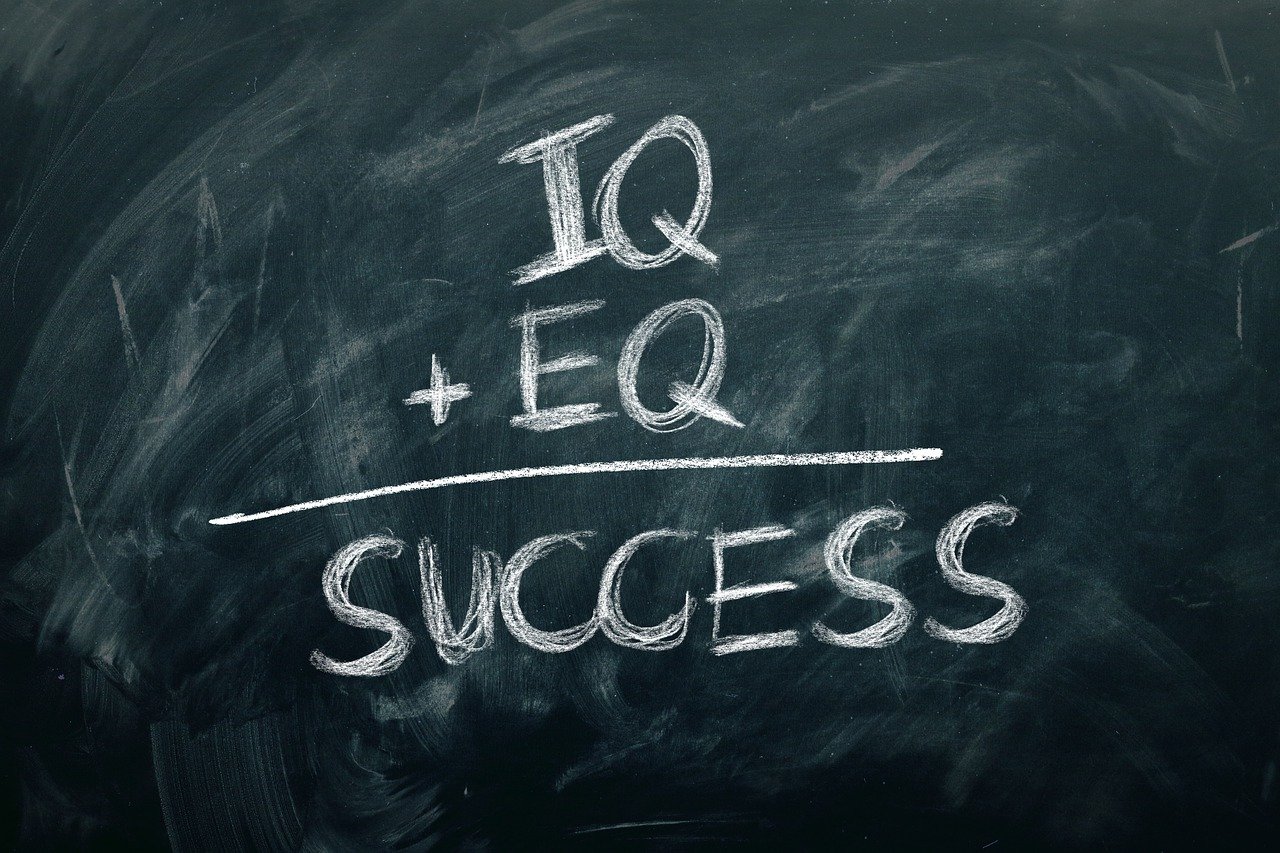
In the realm of team sports, emotional intelligence plays a critical role in shaping team dynamics and enhancing cohesion. This unique skill set includes the ability to recognize, understand, manage, and influence emotions in both oneself and others. For athletes, possessing high emotional intelligence means they can navigate the various interpersonal relationships within a team more effectively. By doing so, players can enhance communication and forge stronger connections with their teammates, resulting in improved collective performance. Effective communication underpinning emotional intelligence fosters trust, respect, and a sense of belonging within the team. Furthermore, when players understand their emotions, they can better handle scenarios of conflict or pressure, which is an inevitable part of competitive sports. This understanding allows teams to maintain focus and unity, even in challenging situations. In addition, teams exhibiting high emotional intelligence can engage in constructive feedback, allowing for more efficient training processes and better skill acquisition. As players grow aware of their emotional triggers and responses, they can employ strategies to maintain calmness and contribute positively to the team environment, setting the tone for an overall thriving team culture.
Teamwork is not simply about working together; it is about fostering a collective identity where individual talents complement one another through emotional intelligence. By encouraging empathy among teammates, athletes can better support one another in facing the challenges encountered on and off the field. Empathy, a key component of emotional intelligence, equips athletes with the ability to truly understand and appreciate the perspectives and emotions of their teammates, ultimately leading to a more united front. Moreover, when athletes feel valued and understood by their peers, they are more motivated and committed to their shared goals, thereby enhancing team cohesion. Research indicates that teams with higher emotional intelligence experience reduced conflict and higher levels of collaboration. This collaborative atmosphere provides an excellent platform for innovation in strategies, enabling teams to adapt and perform better during competitions. Furthermore, players who practice and promote emotional intelligence can influence their coach’s approach to team dynamics, positively impacting coaching styles and decision-making processes. Team leaders equipped with emotional intelligence can effectively manage group dynamics and leverage individual strengths, making them invaluable assets as they create a psychologically safe environment for all team members.
The Impact of Emotional Intelligence on Performance
The link between emotional intelligence and athletic performance has been the subject of various studies and has yielded intriguing findings. Athletes with higher emotional intelligence demonstrate higher levels of resilience, enabling them to recover more quickly from setbacks or failures. This resilience is crucial during intense competitions where pressure can lead to anxiety and decreased performance. Teams that cultivate an emotionally intelligent atmosphere empower athletes to express themselves and seek support from others, leading to improved performance under pressure. Additionally, emotionally intelligent athletes are more adaptable, allowing them to switch strategies or mindsets based on real-time game situations. This adaptability can be the difference between victory and defeat, especially in high-stakes environments. Moreover, emotional intelligence can enhance decision-making speed and precision, as players can assess situations more holistically by considering both their feelings and those of teammates. Moreover, an emotionally aware team can achieve better synergy by aligning goals and values. Consequently, fostering a culture of emotional intelligence in sports can lead to not only improved performance metrics but also increased enjoyment and satisfaction for athletes, leading to a healthier competitive environment overall.
The development of emotional intelligence in team sports can be integrated into training programs to ensure athletes are equipped with these essential skills. Coaches play a vital role in facilitating this development by incorporating emotional intelligence activities into regular practices. These may include reflective exercises, team-building activities, and role-playing scenarios, all designed to enhance self-awareness and empathy. Furthermore, training should focus on improving athletes’ ability to manage emotions and practice effective communication with teammates. For instance, incorporating mindfulness techniques can help players remain grounded and focused amidst the chaos of competition. Additionally, encouraging athletes to share their experiences and emotions can foster open dialogue and strengthen relationships among team members. Emotional awareness workshops can further supplement traditional training by providing athletes with insights into managing stress and conflict while cultivating supportive relationships. Engaging athletes in discussions about emotional intelligence can create a sense of collective responsibility to uphold a healthy team environment. As athletes recognize the importance of being emotionally intelligent, they help create a culture where emotional health is valued, leading to a more cohesive and high-performing team.
Challenges in Implementing Emotional Intelligence
Even though the benefits of emotional intelligence in team sports are evident, implementing these concepts can pose various challenges. One primary challenge is the inherent competitive nature of sports, wherein players may prioritize individual success over team cohesion. This mindset can hinder open communication and emotional sharing, essential components of emotional intelligence. Furthermore, some athletes may be resistant to embracing vulnerability, perceiving emotional expression as a weakness. This reluctance can create barriers to developing emotional intelligence and curbing team cohesion. Additionally, the pressures of high-stakes competitions often create environments where stress and anxiety overshadow emotional regulation. In response, coaches must find creative ways to integrate emotional intelligence training consistently into their programs, ensuring athletes view it as a valuable tool rather than a distraction. Moreover, varying cultural backgrounds and personality types among team members can complicate efforts to foster emotional intelligence. Coaches must be mindful of these differences and adjust their teaching styles accordingly to ensure all athletes engage fully in emotional intelligence development. Ultimately, overcoming these challenges will guarantee a well-rounded approach to both individual and team success.
The future of team sports hinges not only on athletic talent but also on the emotional intelligence of its participants. As the understanding of team dynamics evolves, more programs and organizations are prioritizing emotional intelligence training. This growing emphasis is crucial as it can lead to improvements in performance, satisfaction, and overall well-being across sports teams. Professional leagues and colleges are beginning to recognize that a successful team is more than just the sum of its parts; it thrives on emotional connections. Investment in emotional intelligence development can lead to longer-lasting team cohesion, enabling groups to remain competitive during adversity and changes in team composition. Furthermore, fostering these skills can yield benefits for athletes beyond their sports careers, equipping them with interpersonal and leadership skills applicable in various life arenas. Athletes who possess emotional intelligence are better prepared to navigate transitions post-retirement, fostering a sense of stability and purpose. Coaches and organizations that embrace this holistic approach to athlete development will likely see a shift in both performance outcomes and athlete satisfaction, paving the way for the next generation of emotionally intelligent champions.
In conclusion, the integration of emotional intelligence within team sports is vital for promoting teamwork and cohesion. It serves as the foundation for positive interactions, effective communication, and adaptive strategies. High emotional intelligence allows athletes to better manage challenges, collaborate, and support one another, ultimately leading to improved performance. Coaches must recognize and harness this potential by implementing training practices that emphasize emotional awareness and relationship-building within their teams. As sports culture continually evolves, prioritizing emotional intelligence development offers an opportunity for teams to unlock their highest potential. Moving forward, understanding the mechanics of emotional intelligence and how to implement it into training, practice, and competition will be instrumental in the success of sports teams. Therefore, athletes and coaches should work together to cultivate an emotionally intelligent environment that honors every individual and fosters collective strength toward achieving shared goals. This focus will not only enhance performance metrics but also contribute to the mental and emotional well-being of all involved, paving the way for more resilient and cohesive teams in the dynamic landscape of competitive sports.
Sports Psychology Study explores Emotional Intelligence’s influence on Team Dynamics, unlocking potential for success.