
Frame Materials Explained: Steel, Aluminum, Carbon, and Titanium
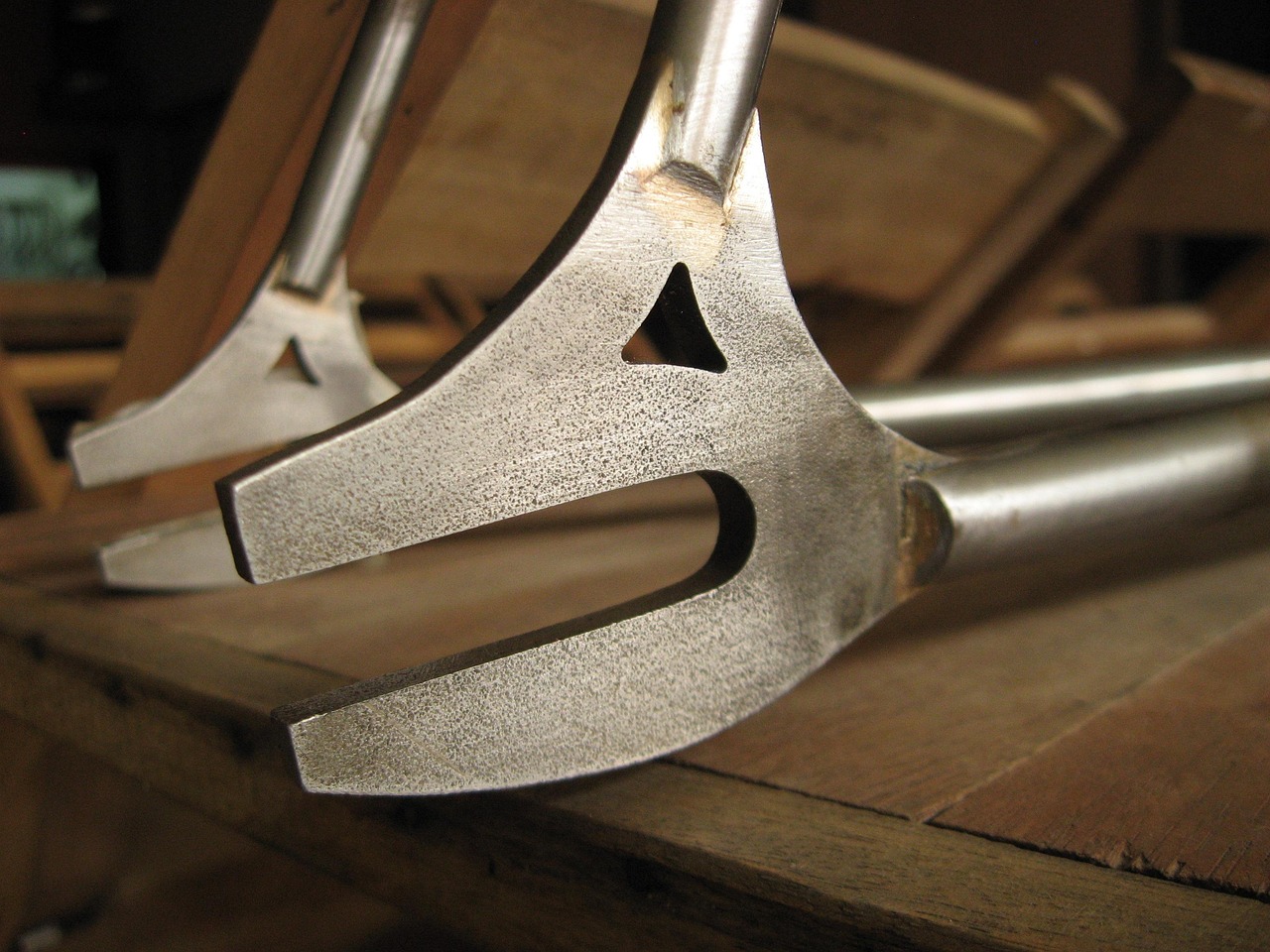
Building a custom bike often starts with choosing the right frame material, each offering unique benefits tailored to different cycling preferences. The most traditional choice is steel, known for its durability and comfort. This material can absorb road vibrations, providing a smooth ride. Steel frames can be repaired easily, making them a practical choice for longevity. However, they are heavier than other options, which may affect performance for competitive cyclists. Aluminum, on the other hand, is lightweight and provides a responsive ride. It’s often more affordable than its steel counterpart, making it popular among casual riders. Aluminum frames are less forgiving than steel, giving a stiffer ride that can be less comfortable on long distances. Transitioning to advanced materials, carbon fiber is increasingly favored among performance enthusiasts. This composite material offers unmatched weight savings and enhanced stiffness, allowing for more efficient power transfer. However, it can also be quite expensive and less durable under certain conditions. Lastly, titanium combines the best of both steel and aluminum, providing strength, low weight, and a degree of flexibility. Each material serves a distinct purpose depending on the cyclist’s needs.
Understanding your needs is crucial when selecting the appropriate frame material for your custom bike. While steel and aluminum have proven reliability, carbon and titanium bring modern advancements like weight reduction and performance enhancement. Custom builders often emphasize the purpose of the bike, which includes commuting, racing, or touring, as pivotal in this decision. Steel bikes excel in touring due to their robustness but require more effort to carry. Cyclists looking for speed might lean towards lightweight frames made from aluminum or carbon, enhancing speed while reducing energy expenditure. Weight distribution also matters; for instance, the geometry of the frame can impact handling characteristics, so choose wisely. Manufacturers today are crafting bike frames designed to optimize aerodynamics, especially important for racing cyclists. Custom frame builders possess extensive knowledge of each material, providing valuable insight in making the right choice. It’s helpful to visit local bike shops to test ride various bikes to get a feel for each material’s distinct characteristics. Pinpoint your cycling frequency and type to discover what frame can fulfill your demands. Remember, the best frame offers not just functionality but comfort throughout countless miles.
The Benefits of Steel Frames
Steel frames have held a place in cycling history for decades, and for good reasons. First and foremost, the durability of steel frames makes them a reliable choice for many types of cyclists. Unlike aluminum frames that can be prone to fatigue after extensive use, steel’s inherent properties ensure resilience, making it a go-to material for touring and long-distance cycling. Furthermore, steel exhibits outstanding vibration dampening, translating to enhanced comfort for cyclists tackling uneven terrains. During a long ride on bumpy roads, a steel frame can absorb some of the shocks, reducing fatigue. Additionally, steel frames can be repaired almost anywhere, giving them a distinct longevity advantage. As cyclists venture to remote locations, having a frame that can withstand rough conditions or repairs can make a world of difference. Aesthetic considerations also play a role; the classic finish of steel can appeal to buyers who appreciate vintage aesthetics. New advances in steel technology result in lighter variants that continue to enhance performance, keeping pace with modern demands. Many professional builders still prefer steel for its unique characteristics and proven performance.
While steel has maintained its loyal following, aluminum presents a compelling argument for those chasing performance. For riders looking to shed extra grams while boosting speed, aluminum frames offer an impressive response. Weighing significantly less than steel, they allow for snappy acceleration and make climbing hills less arduous. Aluminum has also evolved in response to technological advancements, leading to enhanced strength-to-weight ratios that rival those of steel. However, unlike steel, aluminum is less forgiving; this typically means a stiffer ride. Cyclists seeking a faster race-tested bike often prefer the responsive nature of aluminum, allowing efficient energy transfer through the pedals. Beginners to cycling appreciate the affordability compared to higher-end materials, facilitating accessibility to many aspiring cyclists. One downside to aluminum, however, is that its lifespan can be restricted by fatigue over time, especially if improperly maintained. Nonetheless, the breathable and lightweight qualities of aluminum continually attract many to choose it. When selecting an aluminum frame, examining the quality of construction becomes essential, as frame manufacturers vary widely, and quality plays a pivotal role in long-term performance.
The Rise of Carbon Fiber Frames
In recent years, carbon fiber has surged in popularity for custom bike building, marked by its exceptional properties that cater to competitive cycling. One undeniable advantage of carbon fiber is its strength-to-weight ratio; it can be engineered to be incredibly strong yet remarkably light. This dual benefit allows cyclists to attain high speeds without feeling burdened. Manufacturers are also able to mold carbon in specific shapes to enhance aerodynamics, crucial for time trials or road racing. The composite material also offers built-in vibration dampening properties, akin to those of steel, ensuring a smooth ride over rough terrain. However, the appeal of carbon does come with a higher price tag, making it less accessible for casual riders. Furthermore, careful consideration is needed regarding its durability, with maintenance being critical as carbon frames can be susceptible to damage from impact. Despite its drawbacks, carbon fiber’s innovative construction continues to create exceptional flexibility in ride quality, allowing custom frames generated from the material to be uniquely tailored to rider preferences. Ultimately, carbon’s advantages are firmly aligned with racing performance and high-level competitive cycling specialization.
Lastly, titanium frames uniquely combine the qualities of steel and aluminum, which makes them a dream for many cycling enthusiasts. This material is renowned for its durability and resistance to corrosion, ensuring longevity without sacrificing performance. Riders appreciate titanium for its lightweight nature; it allows for a comfortable riding experience while climbing hills and tackling long distances. Additionally, like steel, titanium has shock-absorbing properties, which enhances the comfort level on rough surfaces. Many cyclists identify titanium as a luxury option, despite its higher cost, mainly due to the benefits it yields. The elusive balance between weight savings and comfort gains resonates well with enthusiasts seeking the ultimate biking experience. However, it’s essential to recognize that titanium also provides a degree of flexibility, resulting in unique ride characteristics that can be both an advantage and a challenge. This blend of qualities often garners the attention of serious bikers looking for something different. Even so, securing a quality titanium frame entails spending considerable investment, making it a significant consideration for anyone looking to build their custom bike.
Conclusion: Choosing the Right Frame Material
Ultimately, choosing the right frame material depends on personal preference and intended use. Steel frames offer durability and comfort, while aluminum frames shine in performance-focused contexts. Both steel and aluminum cater to affordability, making them suitable for various cyclists. In contrast, carbon fiber delivers cutting-edge technology for maximum performance and weight efficiency, targeting racing enthusiasts. Meanwhile, titanium provides a niche experience combining durability with a ride quality somewhere between steel and carbon. Each material possesses distinct advantages and challenges; thus, cyclists must carefully consider which aspects matter most to them. It’s beneficial to test ride various frames and seek expert guidance from experienced builders. Identify the factors that align with your riding style and future biking aspirations. Ultimately, whether steel, aluminum, carbon, or titanium, your bike’s frame lays the foundation for countless memorable rides ahead. Building a custom bike often starts with a frame material that speaks to your needs and desires as a cyclist. Assess what matters most to you and immerse yourself in the world of bicycle craftsmanship.
Ultimately, choosing the right frame material depends on personal preference and intended use. Steel frames offer durability and comfort, while aluminum frames shine in performance-focused contexts. Both steel and aluminum cater to affordability, making them suitable for various cyclists. In contrast, carbon fiber delivers cutting-edge technology for maximum performance and weight efficiency, targeting racing enthusiasts. Meanwhile, titanium provides a niche experience combining durability with a ride quality somewhere between steel and carbon. Each material possesses distinct advantages and challenges; thus, cyclists must carefully consider which aspects matter most to them. It’s beneficial to test ride various frames and seek expert guidance from experienced builders. Identify the factors that align with your riding style and future biking aspirations. Ultimately, whether steel, aluminum, carbon, or titanium, your bike’s frame lays the foundation for countless memorable rides ahead. Building a custom bike often starts with a frame material that speaks to your needs and desires as a cyclist. Assess what matters most to you and immerse yourself in the world of bicycle craftsmanship.