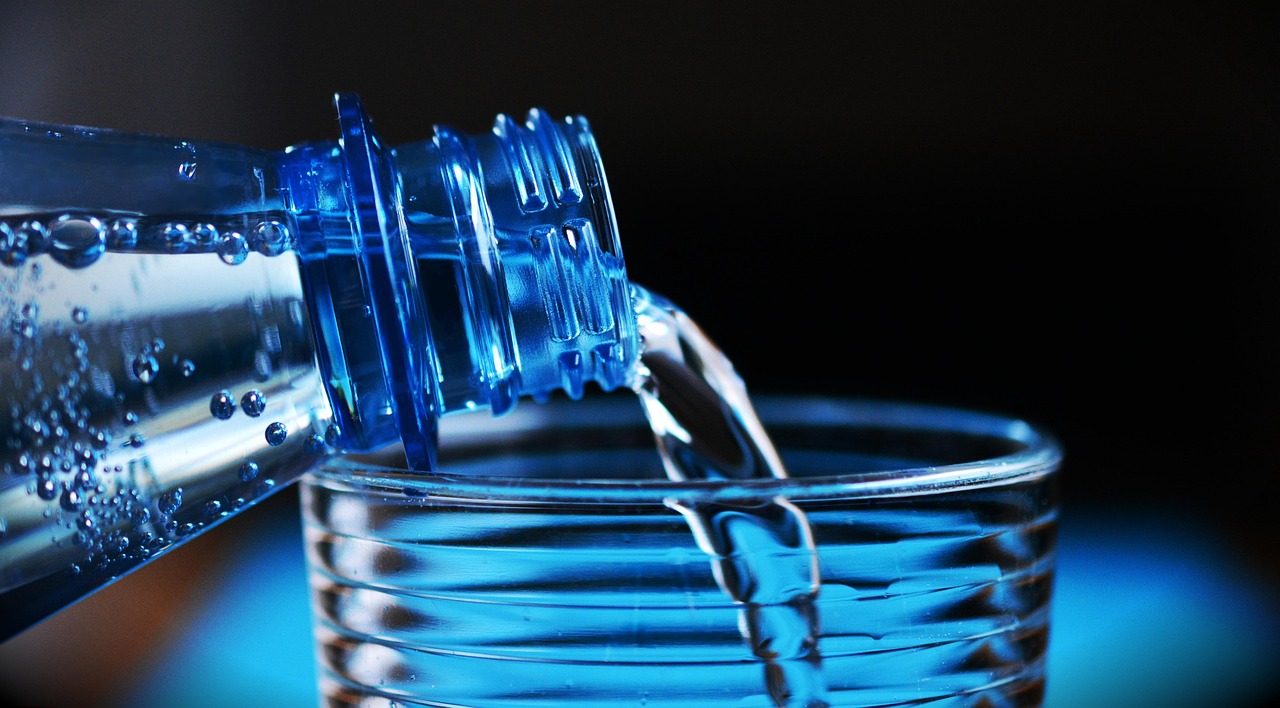

Hydration Strategies for Peak Athletic Performance
Hydration plays a vital role in optimizing athletic performance, as athletes require adequate fluid levels to maintain physical and cognitive functions. The body is composed of about 60% water, which helps regulate temperature, transport nutrients, and remove waste. When engaging in rigorous activities, athletes can lose significant amounts of water through sweat, potentially leading to dehydration. This depletion can result in decreased performance, fatigue, and heat-related illnesses. Therefore, implementing effective hydration strategies is critical for athletes striving for peak performance. Planning hydration starts with assessing individual needs and understanding factors such as body weight, exercise duration, and environmental conditions. Athletes must monitor their hydration status before, during, and after workouts, as the right balance can enhance stamina and reduce injury risk.
To maintain optimal hydration, athletes should consume fluids throughout the day, not just around exercise times. Water is essential, but beverages containing electrolytes may be more beneficial, particularly for those participating in endurance sports. Electrolytes like sodium and potassium help replace lost minerals and maintain proper fluid balance. Here are a few strategies to consider for effective hydration: drink fluids consistently during the day, consume beverages with electrolytes during extended training sessions, and avoid excessive caffeine or alcohol, as they can lead to dehydration. Incorporating hydrating foods, such as fruits and vegetables, can also support overall fluid intake. Strategies for monitoring fluid loss include weighing yourself before and after workouts, allowing appropriate adjustments to fluid consumption as needed.
Hydration Guidelines for Athletes
Establishing hydration guidelines is essential for athletes to stay hydrated effectively. Pre-exercise hydration is critical; athletes should start consuming fluids well before training sessions to ensure optimal hydration status. Ideally, drinking 16-20 ounces of water 2-3 hours before working out is recommended. During exercise, aim to consume 7-10 ounces of fluids every 10-20 minutes, adjusting based on sweat levels and workout intensity. For prolonged activities, especially in hot environments, drinks with electrolytes should be prioritized. After training, hydrating with fluids to replace any lost fluids is crucial. Consuming 16-24 ounces of water for every pound lost during exercise is a good rule of thumb. Monitoring the color of urine can also help gauge hydration status; light yellow indicates proper hydration, while dark yellow suggests dehydration and a need for more fluids.
In addition to personal preferences, environmental factors and the intensity of the workout greatly affect hydration needs. Hot, humid conditions can lead to increased fluid loss, necessitating a more aggressive hydration strategy. Athletes training at high altitudes may also need additional fluids due to increased respiratory fluid loss. Additionally, each athlete’s sweat rate varies; therefore, measuring personal sweat rates can help tailor hydration strategies. To calculate sweat rates, weigh the athlete before and after a workout, factoring in fluid intake. This approach gives a better understanding of individual hydration requirements, allowing for improvements in performance, recovery, and overall health.
Signs of Dehydration to Watch For
Recognizing the signs of dehydration is crucial for athletes and can prevent diminished performance during training or competitions. Symptoms may include excessive thirst, dry mouth, fatigue, dizziness, or headaches. A decrease in urine output or dark-colored urine can indicate insufficient fluid levels. Athletes should also be aware of muscle cramps, as these are common indicators of dehydration. Severe dehydration can lead to heat exhaustion or heat stroke, which requires immediate medical intervention. Inadequate hydration can also impair cognitive functions, such as concentration, focus, and decision-making, all critical for athletic performance. Educating athletes on these signs can promote better self-assessment on hydration during practices and competitions.
Making hydration a priority in an athlete’s daily routine can lead to long-term performance benefits. Therefore, developing a hydration plan should be tailored specifically to an athlete’s individual needs, workout schedules, and competition timelines. Athletes must work closely with nutritionists or trainers to create personalized hydration plans. Incorporating reminders and intuitive methods to increase fluid intake, such as using specific water bottles, can often assist athletes in maintaining their hydration levels. Finally, being mindful of hydration strategies in meals also plays a significant role. Including fluids with meals and consuming meals rich in water content promote overall hydration, benefiting physical performance.
Conclusion
In conclusion, hydration is a vital component of athletic performance. Implementing effective hydration strategies empowers athletes to perform optimally while minimizing the risk of dehydration-related issues. Athletes should establish personalized hydration plans, monitor their fluid intake regularly, and recognize the signs of dehydration. Along with drinking sufficient fluids, it is essential to manage electrolytes, particularly during rigorous endeavors, to maintain performance and health. Fine-tuning hydration strategies based on exercise type and environmental conditions can enhance endurance and recovery. Adopting good hydration habits from the onset not only leads to better performance in the short term but also promotes overall long-term athlete wellbeing.
By prioritizing hydration in their training regimens, athletes can set themselves up for success. Ultimately, proper hydration strategies rank among the top performance-enhancing factors and thus should not be overlooked. Consistent, adequate hydration mixed with appropriate nutrition can lead to an athlete’s success. Concurrently, ongoing education and support systems are pivotal to help athletes understand their hydration requirements as they develop over time. As we advance in sports science, the focus on hydration strategies will continue to evolve, allowing athletes to reach for peak performance through smarter hydration.