
How to Foster Teamwork and Communication in Youth Basketball Teams
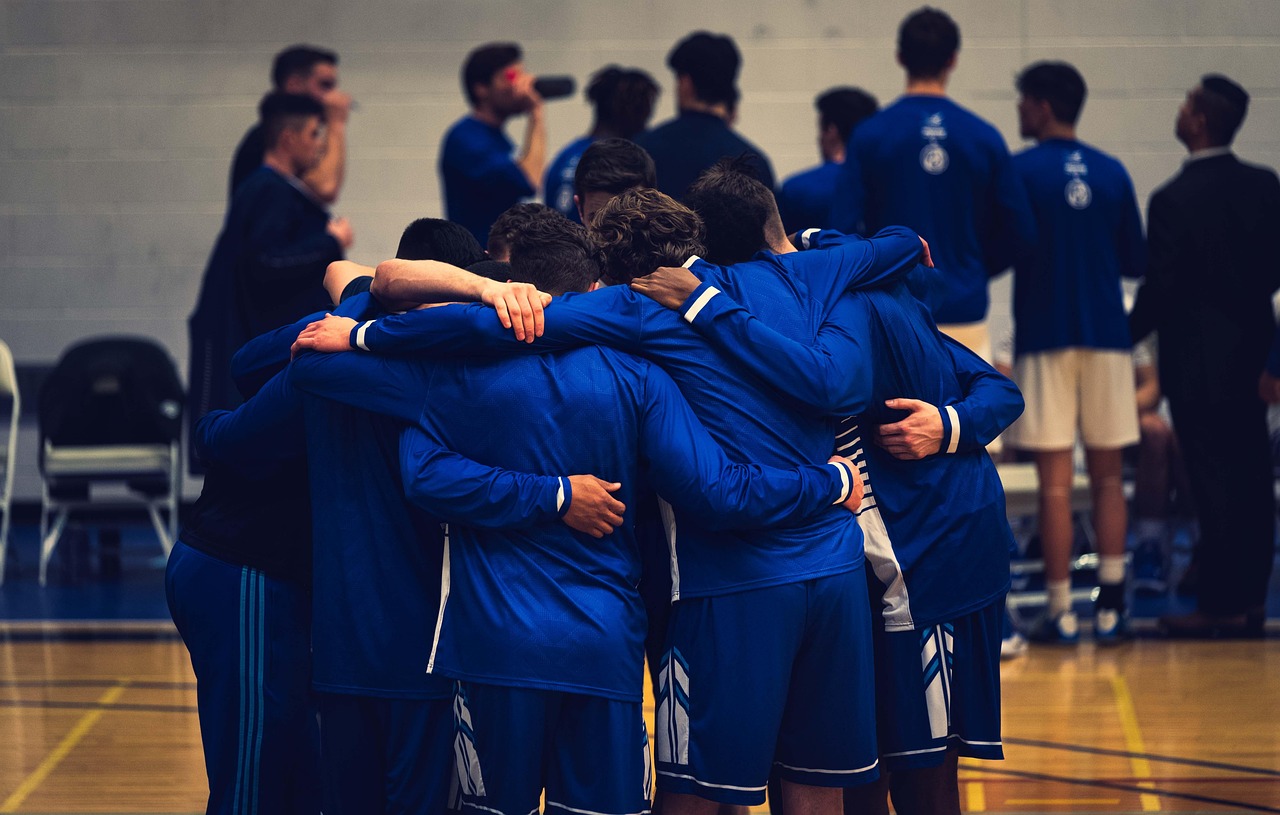
Teamwork and communication are essential components of success in youth basketball teams. Coaches play a pivotal role in nurturing these qualities by establishing a culture that emphasizes collaboration and open dialogue. Engaging in regular team meetings can create a sense of unity and purpose, where players discuss goals, roles, and expectations. In addition, incorporating practices that require group drills and shared responsibilities encourages players to support and communicate with each other. Making use of team-building activities can also enhance relationships on and off the court, ultimately transferring those bonds into games. Additionally, promoting a supportive atmosphere where players feel valued fosters open communication, allowing younger athletes to express their thoughts effectively. Highlighting individual contributions while stressing the importance of team roles ensures every player understands their value. Finally, emphasizing positive reinforcement over criticism during practices can build confidence, which in turn cultivates communication amongst teammates. Youth basketball should not only focus on skill but also nurture social skills, teaching young athletes the importance of collaboration, encouragement, and mutual respect.
One effective strategy to build teamwork is by creating small-sided games during practices. This format allows players to have more touches on the ball and more opportunities to communicate with their teammates. Coaches can design scenarios that require specific teamwork, encouraging players to strategize and adapt their play on the fly. Implementing drills where players must rely on verbal and non-verbal cues reinforces the importance of communication during gameplay. Coaches can also introduce role-playing exercises where athletes take on different positions. This experience helps players appreciate the challenges their teammates face, leading to better communication during games as each player understands their role. Furthermore, holding post-practice discussions about these drills provides a platform for feedback, where players can express their thoughts about teamwork dynamics. They can discuss what worked well and identify areas for improvement. Such debriefing sessions can help athletes articulate their observations and build camaraderie through shared experiences. By fostering an environment where players can openly share insights and learn from each other, teams become cohesive units that work together harmoniously under pressure.
To further enhance communication and teamwork, coaches should encourage leadership among youth players. Assigning different leaders during practice sessions allows various athletes to step up and communicate their ideas or strategies. Leadership roles can rotate weekly, giving all players a chance to lead drills or sessions. This not only boosts their confidence but also improves their communication skills as they convey instructions clearly. Coaches should emphasize the importance of listening skills as well. Active listening is crucial in ensuring that players feel heard and valued. Techniques such as summarizing what teammates have said can help in solidifying understanding. Additionally, coaches can conduct fun team challenges that require collaboration to solve problems. Such challenges emphasize the importance of discussion, planning, and decision-making, further enhancing team cohesion. By involving players in discussions about their goals and challenges, they feel more invested in the team’s success. Training youth in these soft skills through sports like basketball will benefit their personal development and provide them with essential life skills outside of athletics.
Setting Goals Together
Setting shared goals is another effective strategy for fostering teamwork and communication. Coaches can involve players in the goal-setting process, encouraging them to articulate their personal and team aspirations. This inclusivity not only boosts motivation but also creates a sense of ownership among players. Establishing clear objectives helps players understand what they collectively strive for. Goals could range from improving individual skills to winning a specific number of games in the season. Regularly revisiting these goals allows coaches and players to make necessary adjustments, ensuring that everyone remains onboard and focused. Furthermore, tracking progress as a group fosters accountability as players witness their collective growth. Celebrating milestones as a team creates a bond that strengthens relationships among teammates. Recognizing achievements, no matter how small, builds confidence and solidifies the team atmosphere. Encouraging players to vocalize their contributions to these goals further enhances the sense of belonging within the group. This collaborative approach turns individual aspirations into a team-driven identity, strengthening teamwork naturally as players work together toward shared successes.
Feedback is another critical element in fostering communication and teamwork. Coaches should create a safe space for constructive feedback among players. Encouraging teammates to provide insights after games or practices can help players reinterpret their experiences and grow together. This open feedback culture allows athletes to express concerns and offer praise, enhancing team dynamics. Coaches can also facilitate guided sessions where players can role-play sharing feedback with each other. Positive feedback should be emphasized, highlighting players’ strengths and areas of improvement to avoid discouragement. Additionally, framing team assessments as a group discussion can make all athletes feel involved and respected. Conducting these sessions regularly boosts communication skills and strengthens the relationships among teammates. Cultivating an environment where feedback is welcomed teaches young athletes valuable skills in diplomacy and assertiveness, essential in basketball, and life. These discussions should focus on problem-solving as well, teaching youth to approach challenges collectively and collaboratively. Thus, fostering both individual capabilities and teamwork creates a harmonious environment conducive to growth for all players.
Incorporating Fun and Social Activities
To further enhance teamwork, coaches should incorporate fun social activities into the basketball program. This transition away from the court allows players to bond in a relaxed environment. Activities such as team dinners, movie nights, or community service projects foster interaction and allow players to know each other beyond basketball. These non-competitive settings cultivate friendships that enhance chemistry on the court. Creating opportunities for casual interactions encourages players to develop trust and a genuine connection, which translates into improved communication during games. Participants are more likely to support each other when they feel connected personally. Incorporating games and initiatives that highlight teamwork outside of basketball, such as obstacle courses or group challenges, can reinforce skills as well. These experiences allow them the chance to see each other in different roles, promoting a well-rounded understanding of their teammates. Finally, encouraging players to include their families in team activities can help create a welcoming atmosphere. It strengthens the community bonds, exemplifying collaboration between players, families, and coaches, enriching the overall youth basketball experience.
In conclusion, teamwork and communication are vital elements in youth basketball that require ongoing effort and attention. Coaches have the unique opportunity to instill these principles through structured practices, purposeful activities, and a supportive culture. Emphasizing the importance of clear communication, goal-setting, constructive feedback, and social bonding significantly impacts team dynamics. As players work together to achieve common objectives, they develop not only their skills on the court but also their personal growth off the court. Coaches must remain adaptable and open to feedback from their players, ensuring everyone’s voices are heard. Prioritizing teamwork can lead to a more successful season while providing young athletes with important life skills. The lessons learned in youth basketball will serve players well beyond their time in athletics, preparing them for future challenges in various aspects of life. By fostering a culture that emphasizes collaboration, communication, and community, youth basketball teams can excel both in performance and personal development, leading to a rich and fulfilling experience that encourages a lifelong love of the sport.
The Final Takeaway
Ultimately, nurturing effective communication and teamwork among young basketball players can significantly shape their experience. Coaches serve as pivotal figures in this journey, guiding players to develop both their on-court skills and social skills. Sustained efforts in creating a supportive environment will result in positive outcomes, not only in performance but also in, personal development. Emphasizing teamwork and communication drives the entire team towards success, while cultivating relationships that stand the test of time. Therefore, prioritize these aspects in youth basketball programs, recognizing their role in shaping well-rounded individuals. The journey of teamwork and communication in youth basketball will undoubtedly contribute to athletes’ overall growth and future successes.