
Periodization in Powerlifting Training Explained
Powerlifting training relies heavily on the concept of periodization, which serves as a structured approach to training. It involves dividing the training cycle into distinct phases, each with specific goals aimed at optimizing performance. The primary goal of periodization is to enhance not only strength but also muscular endurance and recovery. Strength athletes can benefit from this method by avoiding plateaus, as it introduces variability in their routine. Each phase is carefully planned to prevent overtraining while maximizing strength gains. The three main types of periodization include linear, non-linear, and block periodization. Each method caters to different lifters’ styles and competition schedules, allowing flexibility in training. Lifters should evaluate their needs critically, considering their competition and personal goals before selecting a plan. By alternating between phases that focus on hypertrophy, strength, and peaking, lifters can ensure comprehensive development. This approach offers a roadmap that helps maintain motivation and gives a clearer view of long-term objectives. Consequently, a well-structured plan helps in achieving personal records while mitigating the risk of injuries.
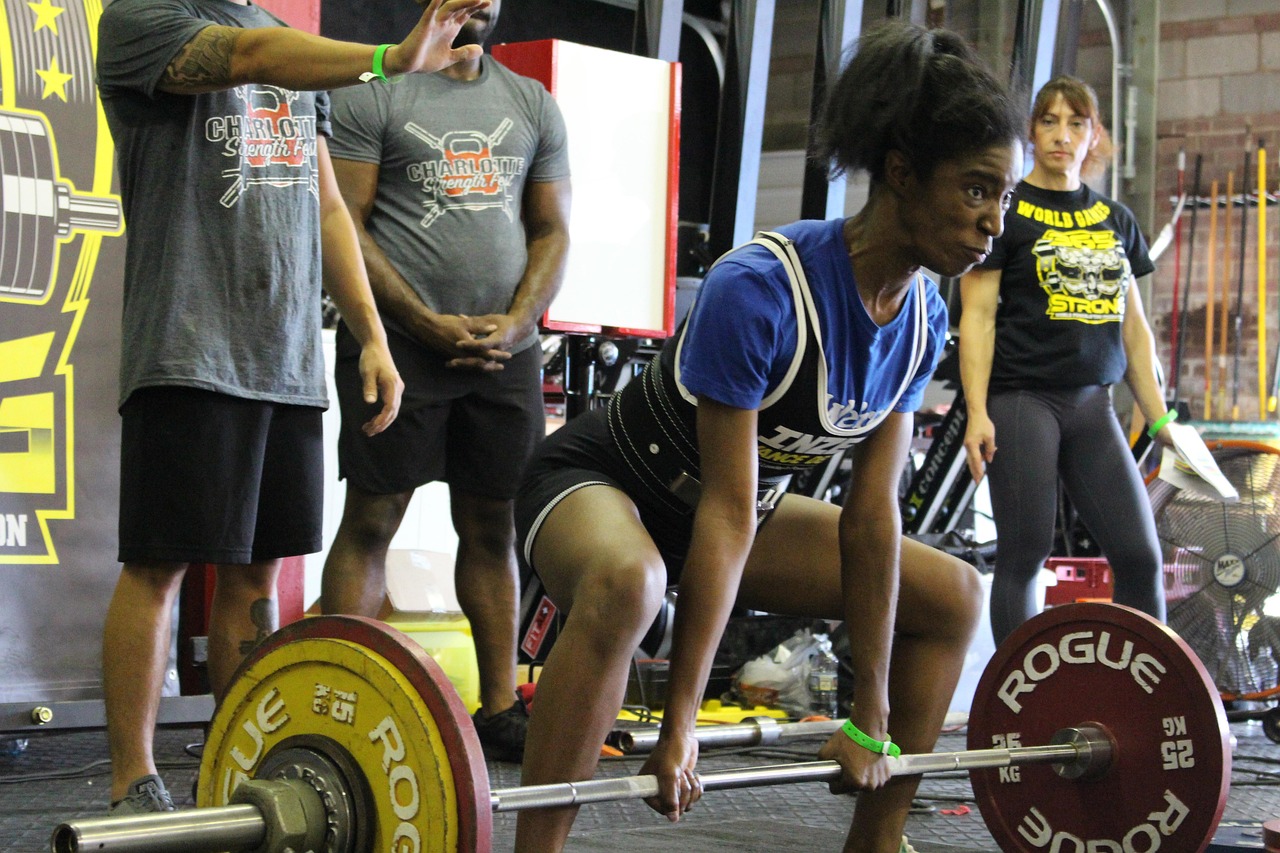
In powerlifting, three key lifts are performed: the squat, bench press, and deadlift. Each of these lifts is critical for assessing a lifter’s overall strength level. To achieve optimal results, each exercise should be integrated into the periodized training plan. This means that the training focus and intensity for each lift will vary throughout the year. Typically, the off-season phase emphasizes hypertrophy training with a higher volume of repetitions and relatively lower intensity. As competitions approach, the focus shifts to building strength and practice specific skills related to each lift. This progression ensures that lifters develop essential muscle mass and strength capabilities before peaking for competitions. Understanding the timing and aspects of each training phase can significantly impact lifting performance. For instance, during the peaking phase, lifters will taper down training volume while maintaining intensity. This allows for optimal recovery and performance when it matters most. By allocating enough time to each phase, lifters are less likely to experience burnout or stagnation. Knowing when to shift gears in your periodization plan is crucial for achieving success in the competitive world of powerlifting.
Linear Periodization and Its Benefits
Linear periodization is one of the most common approaches to structuring strength training cycles. This method involves gradually increasing the intensity of the lifts while gradually decreasing the volume over time. For example, in the early training blocks, lifters may perform higher repetitions at lower weights. As the training progresses, the focus will shift to heavier weights with fewer repetitions. This method is particularly useful for beginner to intermediate lifters, as it provides a clear progression model. One major advantage of linear periodization is that it allows lifters to track their progress easily. Lifters can see measurable gains in strength and hypertrophy, reinforcing motivation. However, it can also lead to plateaus after extended periods of the same approach. To counter this, it is advisable to implement variations at specific points throughout the training cycle. This will keep the muscles challenged while promoting adaptation. Additionally, incorporating accessory movements during high-volume phases can further aid in strength development. The clear tracking of progress combined with effective goal setting is a cornerstone of linear periodization that many lifters find helpful.
Non-linear periodization offers greater flexibility compared to linear programs, focusing on dynamic adjustments based on performance. Unlike linear models, which rigidly adhere to a progression format, non-linear structures allow variations in intensity and volume throughout the week. This method can be particularly beneficial as it promotes adaptation by consistently challenging the body. Lifters may alternate between high, moderate, and low-intensity days within a single week, facilitating recovery while continually encouraging gains. The flexibility of this system makes it ideal for advanced lifters, enabling tailored workouts that respond to changing training needs. Another advantage is that lifters can adjust their training based on factors like fatigue, stress, or other life events. With non-linear periodization, fluctuations in performance can be considered, making it a responsive training option. Moreover, incorporating accessory lifts and varying rep ranges keeps the workouts exciting and stimulating. Lifters can target weaknesses more effectively by tweaking the training program. Consequently, the adaptability of non-linear periodization has made it increasingly popular among powerlifters looking for a comprehensive and dynamic approach.
Block Periodization and Its Application
Block periodization, based on specific training blocks, is another effective strategy for powerlifters. In this approach, distinct training blocks focus on different physical attributes, such as hypertrophy, strength, and peaking. Each block lasts several weeks, allowing for concentrated efforts toward specific goals. The transition between blocks is well-defined, and lifters can track their progress over each phase efficiently. Block periodization can be particularly beneficial for elite powerlifters who require specific training adaptations for competitive success. By emphasizing specific qualities at the required times, lifters can optimize their performance during competitions. This method also offers recovery-oriented phases, which are crucial for preventing injuries and burnout. Lifters can experience varied methods, such as traditional strength training, explosive work, and sport-specific drills, keeping workouts engaging. Furthermore, block periodization emphasizes assessment phases between blocks, allowing for necessary adjustments based on recent performance data. Incorporating adequate recovery periods can eliminate fatigue while focusing on skill mastery. Thus, the application of block periodization creates a comprehensive approach to tackling the intricacies of powerlifting training.
Adapting periodization to meet personal needs ensures that one can maximize gains in powerlifting. Each lifter’s experience level, physical attributes, and goals dictate how periodization should be tailored. For instance, a beginner may focus more on linear approaches due to their straightforward nature, gradually transitioning into non-linear or block structures as they gain experience. It’s crucial for lifters to listen to their bodies and adapt their plans as needed. Fatigue management plays a vital role in periodization; neglecting it can lead to overtraining and injuries. A well-structured periodization plan not only enhances performance but also balances training intensity, volume, and recovery. Keeping a training log is beneficial as it helps identify patterns, successes, and potential fatigue issues. Additionally, implementing various training modalities can aid in achieving overall fitness and strength goals. Lifters should remain open to experimenting with different periodization cycles to discover what works best. Ultimately, the key to success in powerlifting lies in personalizing training loads and recovery techniques based on continuously evolving performance data. This thoughtful approach will ultimately lead to long-term gains.
Conclusion
Periodization in powerlifting is an essential component of effective training. Understanding how to implement various models like linear, non-linear, and block periodization can maximize strength gains effectively. Each method offers unique benefits tailored to individual needs, allowing lifters to avoid performance plateaus and injuries. By strategically alternating between phases, lifters can ensure consistent growth and improvement. Powerlifting is as much about mental discipline as it is about physical strength; a well-structured periodization plan fuels motivation and commitment. Lifting heavy requires a structured approach to avoid burnout, and periodization delivers that framework. Incorporating sport-specific drills and varying intensities keeps training sessions new and exciting. Taking time to reflect on progress and personal goals can further refine and enhance training effectiveness. Lifters should also seek advice from experienced coaches or peers to fine-tune their periodization models. Using the right combination of elements leads to better outcomes in both competitions and overall strength. As powerlifting continues to evolve, staying updated on training methodologies is crucial to maintaining a competitive edge. Ultimately, periodization is a critical success factor for any aspiring powerlifter.