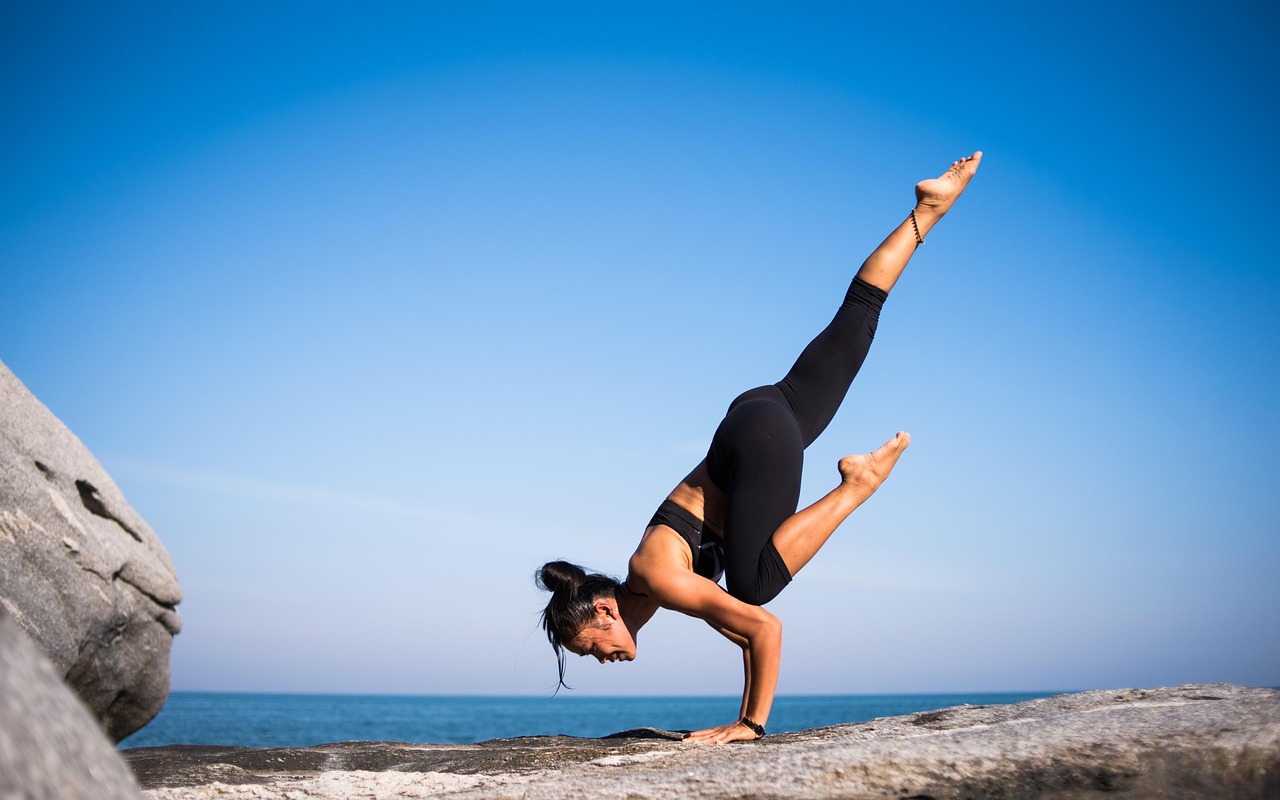

Balancing Strength Training and Flexibility in Female Athletes
In recent years, the importance of strength training and flexibility for female athletes has gained significant recognition. As these athletes strive for peak performance, understanding how to balance these two fundamental components of fitness becomes imperative. Strength training builds muscle, enhances endurance, and improves overall athletic performance. Indeed, it can also reduce the risk of injury, a critical concern for female athletes, who often face unique physical challenges. Conversely, flexibility is essential for maintaining a full range of motion, which contributes positively to performance and recovery. The synergy between strength and flexibility is vital, as it enables athletes to perform complex movements effectively without compromising their body mechanics. Furthermore, a balanced regimen that includes both strength training and flexibility workouts allows athletes to develop functional strength, enhancing their ability to execute sport-specific skills safely. To achieve a harmonious balance, coaches and trainers must incorporate targeted routines that prioritize muscle strength while also dedicating time to flexibility training in their athletes’ programs. This approach not only fosters physical health but also psychological confidence in female athletes.
Research indicates that female athletes benefit from specific strength training protocols tailored to their unique physiological needs. These needs often differ from their male counterparts due to varying levels of hormones and body composition. Strength training should be structured to promote muscle endurance and explosive power, integral for many sports. Strength training exercises—for instance, squats, deadlifts, and bench presses—should be included in the routine while ensuring that form and safety are never compromised. It’s essential for coaches to monitor each athlete’s progress and adjust training loads accordingly to prevent overtraining and injury. Progressions in strength should be visible and recorded, helping athletes stay motivated throughout their training journey. Additionally, cross-training can enhance muscular balance while simultaneously addressing flexibility. Engaging in varied workout styles such as pilates or yoga integrates flexibility with strength training, supporting overall athletic development. Assessments of strength and flexibility can be helpful to identify areas needing improvement. Incorporating regular assessments facilitates tailored training regimens while enhancing athletes’ focus on both strength and flexibility goals.
The Role of Flexibility Training
Flexibility training is often overshadowed by strength training in the context of athletic programs. However, it is equally crucial for female athletes seeking optimal performance. Flexibility contributes not only to improved range of motion but also to faster recovery times. Stretches and flexibility exercises should ideally be incorporated as part of both warm-up and cool-down routines, providing physical and mental preparation for workouts. Dynamic stretching before training sessions prepares muscles for activity, enhancing blood flow and reducing injury risk during performance. Static stretching, performed post-exercise, helps in muscle recovery by alleviating muscle soreness and stiffness. Increasing flexibility aids with proper technique in strength training, which in turn enhances strength gains. Female athletes are encouraged to focus on all major muscle groups to ensure comprehensive flexibility development. Moreover, flexibility training can promote body awareness and control, invaluable traits in competitive sports. Athletes should strive for autonomy in their flexibility routines, pioneering their personalized stretching techniques to cater to individual needs. The integration of flexibility-specific sessions should be viewed as an essential investment in long-term athletic viability.
Nutrition plays a vital role in supporting both strength and flexibility training for female athletes. Proper nutrition fuels workouts and aids recovery, ensuring that athletes can perform optimally during training and competition. A balanced diet rich in proteins, carbohydrates, and healthy fats provides the macronutrients necessary for muscle recovery and growth. Protein intake, in particular, is essential for repairing and building muscle tissues broken down during strength training. Moreover, staying hydrated is crucial; hydration positively impacts flexibility and overall performance. Electrolytes support increased energy levels and muscle function, encompassing hydration aspects during workouts. Female athletes must pay attention to their nutrition, as hormonal fluctuations affect metabolism and energy levels. Supplements may be beneficial, but they should not be a substitute for a nutritious diet. Regular consultations with nutritionists can help tailor dietary plans that cater specifically to the demands of strength and flexibility training. Nutrition education should be incorporated into training programs, allowing athletes to understand the connection between food, performance, and recovery. This education is crucial in promoting a healthy, sustainable approach to athletic training.
Injury Prevention Strategies
Injury prevention is paramount for female athletes engaged in strength training and flexibility practices. Despite the benefits, improper execution of exercises can lead to injuries that may compromise performance levels and career longevity. Coaches and trainers should prioritize the education of proper techniques and exercise forms to boost safety and efficacy. Gradual progression of intensity and load in training regimens minimizes the risk of overuse injuries. Incorporating rest days into the training schedule is critical as well, allowing time for recovery and regeneration. Monitoring athletes’ workloads is essential to prevent burnout and fatigue, which can negatively impact both strength and flexibility gains. Focus on well-rounded strength programs, including core stability work, stabilizes the body effectively and significantly reduces injury risks. As stretching protocols are implemented, the balance between strength training and agility training should not be neglected. Athletes should be encouraged to report any discomfort or pain promptly, as early detection can lead to timely intervention and support. Building a culture of open communication about injuries fosters a safer training environment and promotes holistic athletic development.
A closing consideration for female athletes is the psychological aspect of balancing strength and flexibility training. Mental resilience and confidence stem from feeling strong and capable in their physical domains. The internal challenge of balancing both elements may create stress, but recognizing progress in strength and flexibility can help alleviate this strain. Coaches should incorporate motivational techniques to encourage athletes, fostering a supportive environment that celebrates successes, both big and small. Visualization techniques and goal-setting can empower athletes, instilling a growth mindset that promotes long-lasting commitment. Sharing experiences and challenges within team environments can help athletes support one another in achieving their goals. The dynamic interplay between mental and physical health is fundamental for overall well-being. Training regimens should also incorporate rest and recovery techniques such as mindfulness, which can significantly enhance focus and relaxation. Incorporating mental health strategies alongside physical training offers an exciting opportunity to develop stronger, more resilient female athletes. Ultimately, balance is vital not just in physical training, but also in mental preparation, nurturing holistic athletes who can thrive in their respective sports.
The journey of female athletes navigating strength training and flexibility is multifaceted, with various components intertwined. To maximize performance and minimize injury risks, it’s critical to adopt a balanced approach that fosters improvement in both areas. This dynamic balance requires thoughtful planning by coaches, trainers, and athletes alike. Emphasizing the importance of both strength and flexibility enables female athletes to harness their full potential, unlocking unparalleled performance across disciplines. By integrating smart training strategies, nutrition, injury prevention, and psychological support, athletes can achieve their objectives without sacrificing well-being. A strong foundation of strength paired with flexibility equips female athletes to confidently face challenges in competition. As they continue to balance these essential elements, the drive for excellence does not solely rest on physical capabilities but also on mental fortitude. In closing, harnessing this balance is key to finding success and fulfillment in athletic pursuits. Female athletes must recognize their uniqueness, embrace their development, and approach their training holistically. The journey may be challenging, but the rewards of achieving the perfect balance are unwaveringly fulfilling and empowering.