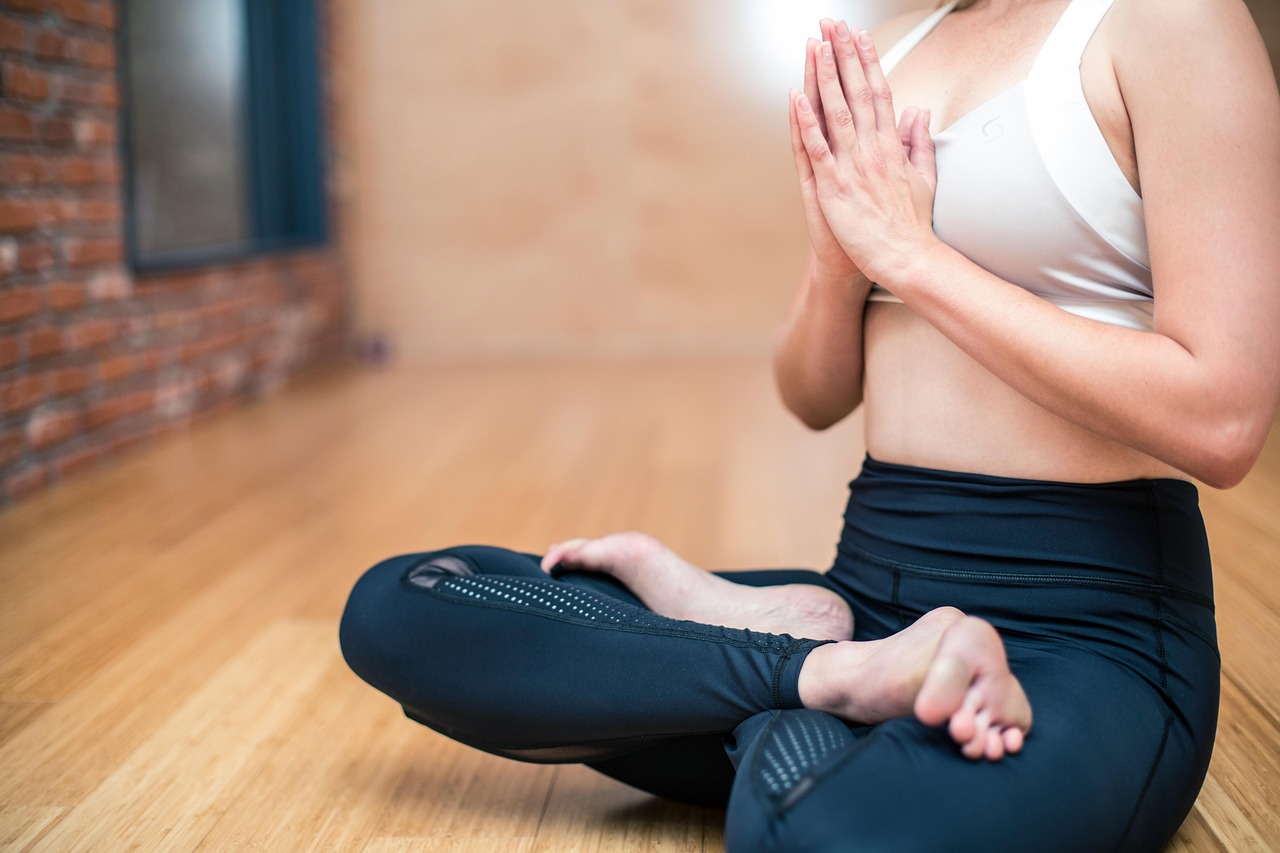

Combining Yoga and Bodyweight Exercises for Shoulder Health
Shoulder health is essential for overall physical fitness and daily functioning. Engaging in a combination of yoga and bodyweight exercises can enhance flexibility, strength, and stability of shoulder muscles. These routines help prevent injuries and improve posture, making them particularly valuable for both athletes and those with sedentary lifestyles. Yoga philosophy emphasizes mindful movement, which can substantially benefit shoulder conditioning by increasing awareness and control over shoulder positioning. Bodyweight exercises complement this by focusing on strength-building. In the following paragraphs, we will explore various techniques and routines to engage in for shoulder health. Additionally, it will highlight the benefits of integrating these two forms of exercise. Anyone interested can create effective workout regimes designed to enhance their shoulder function while providing athletes with an extensive toolkit for preventing injuries in competitive sports. Understanding the basic anatomy of the shoulder region will enable individuals to perform these routines safely while maximizing effectiveness. A combination of strength and flexibility training is essential for optimal shoulder health, so let’s delve deeper into how to structure these workouts effectively.
The Importance of Flexibility in Shoulder Exercises
Flexibility plays a vital role in shoulder conditioning and rehabilitation. Yoga is particularly adept at enhancing flexibility through a series of gentle stretches and poses, carefully aligning the entire shoulder complex. Poses like downward dog and eagle pose invite stretching of the deltoids and pectoral muscles, reducing tension that may lead to injury. Moreover, these poses promote joint range of motion, critical for overall shoulder health. Transitioning to bodyweight exercises like push-ups or planks dramatically improves shoulder strength. Complementing yoga with shoulder-strengthening exercises leads to increased endurance and stabilization of the shoulder girdle. As you engage in yoga, aim to incorporate poses that correlate with the bodyweight exercises in your routine. These complementary movements help develop balanced shoulder muscles and contribute to joint stability. Overall, targeting flexibility specifically within the shoulder region fosters a better foundation for strength training. Paying dedicated attention to your shoulder flexibility ensures minimal restriction during various activities, thereby enhancing athletic performance. Over time, a consistent practice will lead to noticeable improvements, promoting both physical endurance and a heightened sense of well-being.
Incorporating specific bodyweight exercises can yield significant benefits for shoulder health. Movements such as the plank, push-up, and shoulder taps directly engage shoulder muscles while promoting functional strength. Dynamic movements executed in proper form help improve muscle endurance, enabling the shoulder to withstand physical demands. A focus on kinetic chain exercises, using body weight as resistance, reinforces stability in muscular coordination. Equally, adding variations to these exercises can enhance shoulder conditioning. An advanced push-up or one-arm plank can intensify the workout and invoke greater muscle recruitment. Superimposing these exercises with yoga poses enhances not only strength but balance and control, vital for athletic performance. Practicing these movements regularly can counteract the adverse effects of poor posture often brought about by prolonged sitting or improper form during activities. It’s advisable to build routines gradually, ensuring that the focus remains on correct posture. Tracking your progress can help assess improvement and effectiveness over time. Remember to warm up properly before engaging in this mix of movements. Proper warm-up routines, inclusive of gentle stretching, improve overall functionality and prepare the shoulders for more intensive movement.
Creating a Balanced Workout Routine
Designing a balanced workout that fuses yoga and bodyweight exercises involves strategic planning. Begin by determining realistic fitness goals based on personal capabilities and desired outcomes. Consider the different session lengths available, aiming for at least 30 minutes focused on shoulder health. Start with a warm-up that incorporates dynamic stretching, promoting blood flow to shoulder muscles. After preparing your body, transition into a series of yoga poses aimed at flexibility and posture improvement. Post-yoga, segue into bodyweight routines. Target major shoulder muscles, integrating exercises like pike push-ups or wall walks as they offer great resistance. Always keep breathing techniques in mind, copying yoga’s template of coordinated breath with movements. Ending each session with static stretches such as the cross-body stretch or behind-the-back stretch promotes recovery and maintains flexibility. Consider tracking progress by maintaining a workout journal, which promotes accountability and encourages tracking strengths and weaknesses. Regularly revisiting goals ensures you stay on track to achieving shoulder health while exploring both yoga and bodyweight domains. Remember, consistency is key, alongside patience and mindfulness as you build strength and flexibility.
Practicing mindfulness during workouts greatly enhances effectiveness. As you engage in yoga poses, focus on breathing deeply and maintaining awareness of your shoulder movements. This mindfulness helps promote muscle engagement and prevent injury, enabling you to listen to your body. Use visualizations or techniques from yoga to stay centered; it will enhance balance and coordination during strength training. Mindfulness fosters a connection between mind and body, ensuring you perform each exercise with intention. This is especially critical when performing high-repetition movements, as it helps combat fatigue and maintain good form. By integrating mindfulness into both yoga and bodyweight exercises, you prepare yourself not just physically, but mentally, for complex movements. It is important to remember that recovery is essential after intense workouts. Take moments within your routine to reflect on the progress you’ve made and the goals ahead. Techniques such as deep breathing or meditation can help enhance recovery and improve focus for future workouts. By creating this holistic approach, you empower your practice while enhancing the conditioning of your shoulders through a structured, mindful methodology. Consistent practice will undoubtedly lead to greater overall fitness.
Challenges and Adaptations
As with any fitness regime, challenges are common when incorporating yoga with bodyweight exercises. Beginners might find maintaining balance or form challenging initially, leading to frustration. It’s critical to address these challenges through adaptations that make exercises more accessible. Modifying traditional yoga poses using props such as blocks or straps can stimulate confidence while ensuring correct positioning. Similarly, bodyweight exercises can be simplified; for instance, performing push-ups on the knees instead of the toes can assist newcomers in building upper body strength gradually. As users become more adept at the movements, they can attempt more advanced levels, building over time. Consistency and patience are paramount. Performing weekly assessments can help identify areas of progression and highlight aspects needing further development. Embrace the learning curve as an opportunity for growth, rather than a limitation. Fostering a positive mindset towards challenges encourages self-compassion, reducing the chances of injury while enhancing motivation to perform. Seek feedback from fitness professionals or peers to ensure correct techniques are practiced. Regularly adapting to your needs is essential as you progress on your fitness journey, cultivating resilience in your practice.
Maintaining a long-term commitment to shoulder health through yoga and bodyweight exercises has several advantages. First, improved flexibility grants access to a broader range of movement, benefiting daily tasks and reducing injury risk. Increased shoulder strength not only enhances athletic performance but also supports overall physical activities, creating a more resilient body. Regular practice has been shown to elevate mood and decrease stress levels, enhancing mental well-being. Incorporating these routines promotes a deeper connection between movement and breath, leading to better focus both in and outside the gym. Consistent practice of these exercises creates harmony, allowing one to feel more relaxed and accomplished. Furthermore, engaging in a structured routine encourages a supportive community and fosters positive relationships among practitioners. The journey toward shoulder health requires dedication and adaptability, as results may not surface immediately. Celebrate small victories along the way, recognizing every improvement adds to your overall fitness journey. Overall, through diligence and patience, individuals are empowered to achieve sustainable shoulder health, paving the way for an active lifestyle that thrives. By maintaining this commitment, one can enjoy the myriad benefits effectively.